
In one of the more dramatic departures of Reform councillors over the last year, David Taylor quit on live television in February in protest at a council tax increase of nearly nine percent proposed by his party.
Taylor, a businessman and former Tory supporter, had already stood down as deputy leader of Reform-led Worcestershire council last August and was sacked from the council cabinet in December for opposing plans to pay officers retention bonuses.
He quit the party on a BBC Politics Midlands programme as the council prepared to impose one of the biggest council tax rises in the country. I won’t be leaving this studio as a Reform county councillor,” he declared.
In the local elections last May, Reform swept to a string of victories in councils across the country, winning 677 seats with pledges to stop wasteful spending and cut taxes.
Nigel Farage hopes to build on those gains in the local elections on May 7, but faces scrutiny over his party’s performance and the loss of dozens of councillors across the country.
“We campaigned on lower taxes and then were asking people [in Worcestershire] to pay for an extortionate rise of 8.98%,” Taylor said. “It was avoidable, but there has been a lack of strategy and a lack of business acumen.” He said he could also not support a proposal to introduce retention payments of up to 10% of salary for senior council staff.
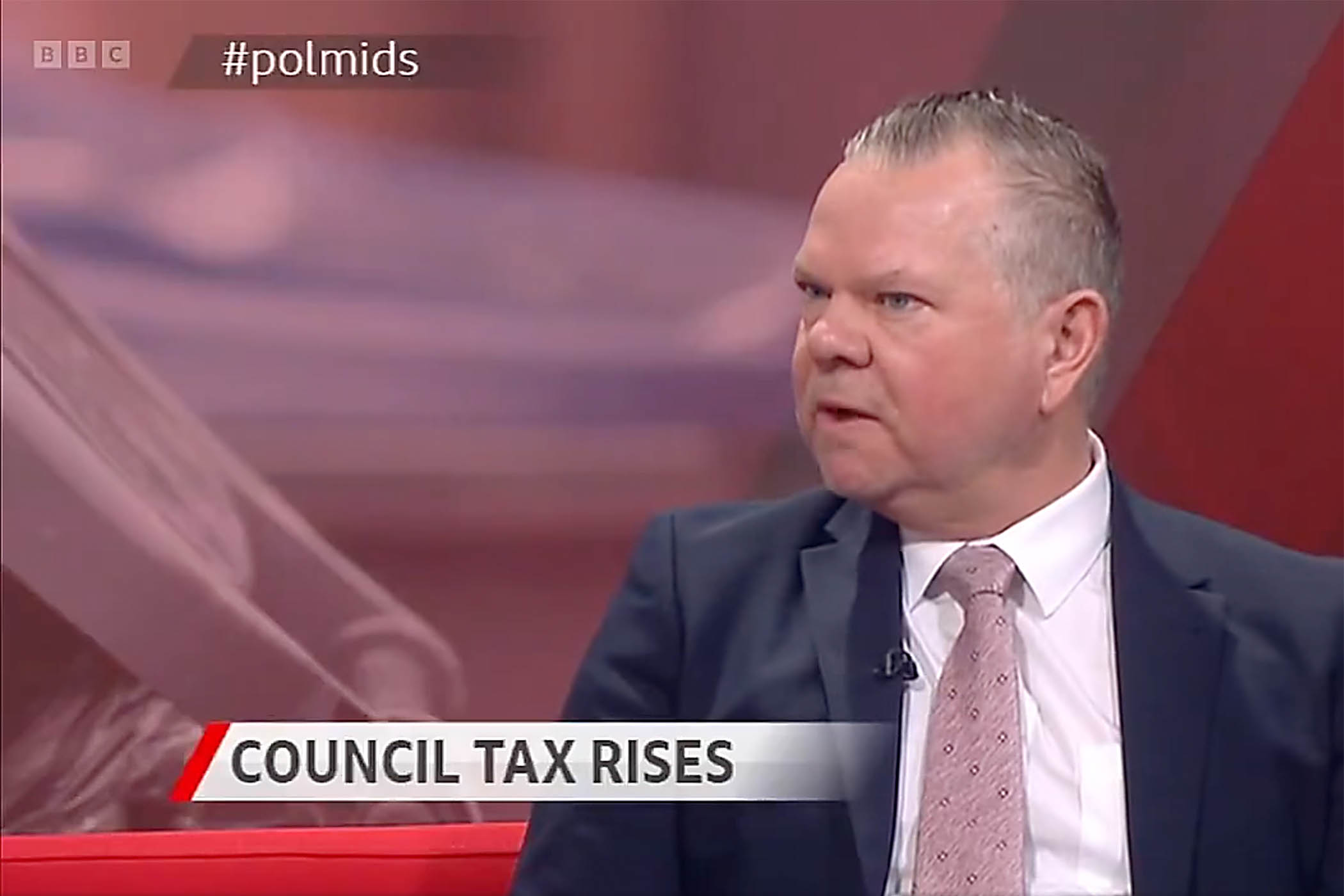
Reform councillor David Taylor, Redditch East, quits Reform live on BBC Politics Midlands
Taylor is one of about 70 councillors who have either quit the party, stood down as councillors or been kicked out since last May’s elections, according to a national tally kept by the Liberal Democrat peer Mark Pack.
Some, such as Taylor, have become disillusioned with the party, others have struggled with the demands of local government and a significant number have been involved in controversies, often involving their own social media and alleged racist comments.
It has a strikingly high attrition rate, according to experts. Since last May, Reform has lost about one in ten of its councillors. It is about double the rate of losses seen by Labour and the Tories in local government over the same period.
Pack, a political polling expert, said the high numbers gave the appearance of “a rather dysfunctional group of people” who were not very good at getting on with each other.
“If it was only the occasional story, you might think it is growing pains,” he said. “But the numbers suggest they're getting something wrong in their vetting and selection process.”
Professor Tony Travers, director of LSE London, said Reform faced challenges in growing so quickly as a party. The party has even been advertising for candidates to stand in London for the forthcoming local elections.
“Screening candidates in what are insurgent parties is far more difficult than the tried and trusted parties,” said Travers.
At Staffordshire county council, the leader Ian Cooper resigned in December after the group Hope Not Hate claimed to have found racist posts linked to him. He was also alleged to be a “top fan” (a user with high engagement) on a Facebook page called The European Race, which promotes white supremacy. Cooper has been approached for comment.
Chris Large was elected to replace Cooper as council leader, but he resigned a few days later citing a family bereavement. He also faced controversy over allegations that racist comments had been endorsed on his TikTok account. Large denied the allegations and said his account had been hacked.
Philip White, Conservative leader of the opposition at Staffordshire County Council, said: “We've had three leaders of the Reform group at Staffordshire County Council in four months. It is rather chaotic.
“A lot of Reform councillors have left because they've been caught up in scandals relating to racism. It is troubling just how many of these people are being found to be really not the sort of people that you would want in public office.”
White said Reform campaigned on pledges to uncover wasteful spending and cut taxes, but have made no big savings and have increased council tax.
Joe Mulhall, director of research at Hope Not Hate, said: “Nigel Farage has made bold claims of extensive vetting of his candidates but time and time again, we see people standing for Reform UK who are not fit for public office.”
Worcestershire county council said the proposal of a retention payments for senior staff were designed to keep staff during “periods of significant transition”. The decision has been deferred for further consideration, the council said.
A Reform UK spokesman said: "Churn amongst councillors is normal across every political party. Reform UK councils continue to deliver for local residents, making and identifying over £700 million in efficiency savings and delivering the lowest average council tax position of any political party in the country." The spokesman said Reform had inherited a “catastrophic mess” from the Tories in Worcestershire and the party had fought to deliver a responsible budget and avoid raising council tax to the maximum.”
Photographs by Carl Court/Getty Images, BBC
Newsletters
Choose the newsletters you want to receive
View more
For information about how The Observer protects your data, read our Privacy Policy