
How must it feel, in this age of spit, to be the family of a politician under pressure? What kind of distress must they endure, witnessing the venom and public contempt directed at the person they love?
Do their tormentors, from the media shock jocks right down to the blowhard in the local pub, ever pause to consider how their own wives and children might feel if someone were saying the same about them?
I think we know the answer to that. Unfashionable it may be, but I feel so sorry for the Starmer family right now, just as I did for the families of Rishi Sunak, Boris Johnson, Theresa May, Liz Truss and David Cameron during their defenestrations.
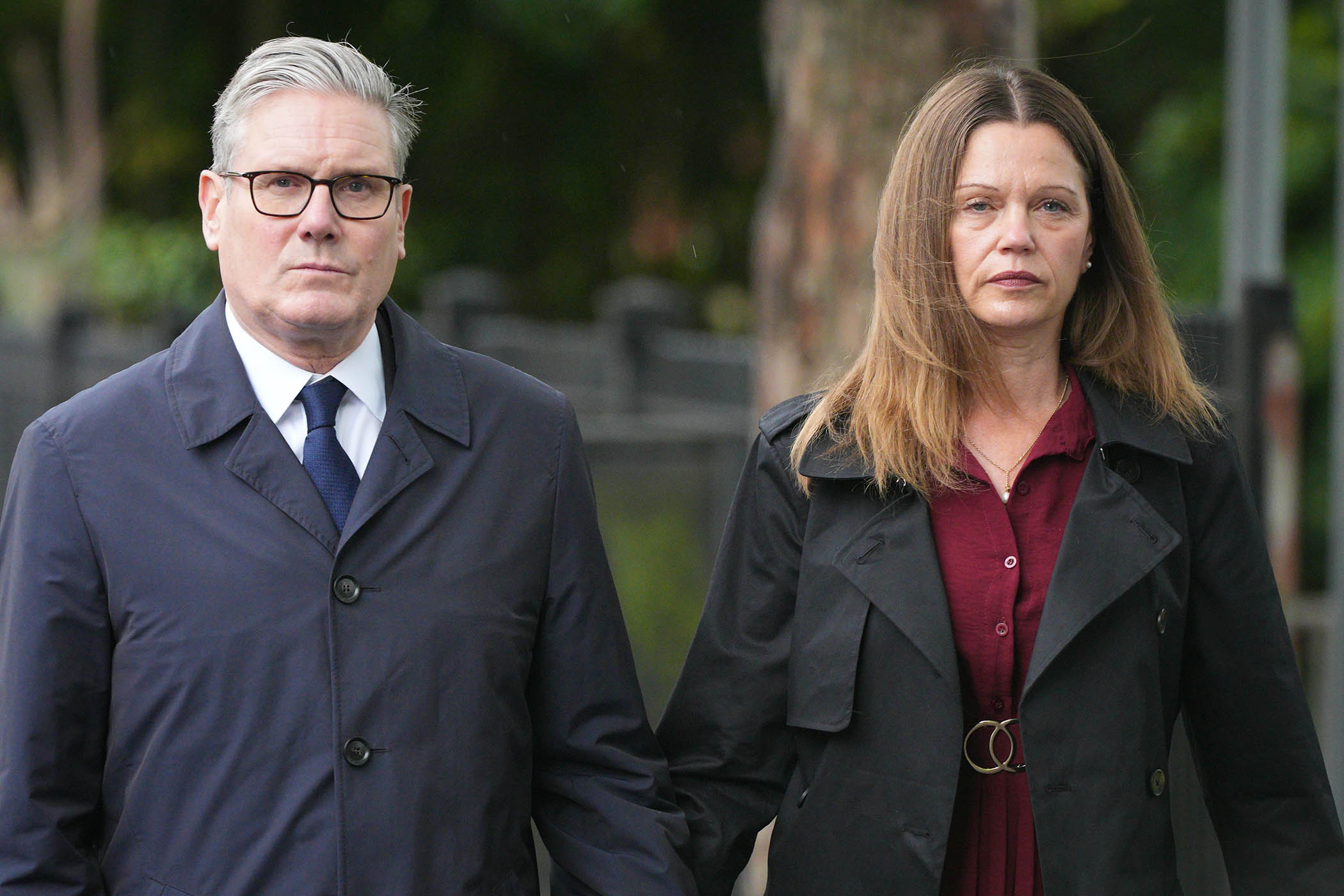
Families of politicians are non-combatants. They’re human beings. They suffer like the rest of us. They’re forced to watch their loved one be humiliated on the national news, eviscerated online by strangers. Can we begin to imagine the inner distress of Keir Starmer’s teenage children, concealing embarrassment, shame, anger, disappointment and anxiety at their father’s position? Knowing he faces the loss of job, house, car and status? While they trudge to school – one of them is said to be sitting big exams – to be met with sideways glances and sniggers.
The ordeal may be protracted. Whether Starmer survives a week or six months, he will be publicly mocked as a lame duck while his family, victims of brutal political sport, endure.
Hey, that’s my dad you’re talking about! The hate filling the comment sections of rightwing newspapers make you reel: “A conceited, stubborn little man”; “mediocre, cunning, out for himself”; “untrustworthy, disgraceful, free-loading liar”. Or watch (I hadn’t until now; I was appalled) the foam-flecked loathing and abuse on rightwing media channels, questioning Starmer’s mental stability, declaring him a “repulsive creature playing out his fantasies”.
Victoria Starmer is a Stepford wife or Lady Macbeth – er, so she’s a murderer, is she? “I pray that sleazy couple quit soon”; “Word is she and the kids left 18 months ago”; “fake marriage”.
Even if half this poison is churned out by bots, it is still sickening. (The broadcasting stuff is all too authentic: even the BBC’s political editor, Chris Mason, suggested Starmer was “repellent” to voters). For sure, abusing prime ministers has been a national pastime for centuries, but this is different: unmistakably personal and crushing. And who helps the crushed?
Current episodes of the writer Malcolm Gladwell’s podcast Revisionist History are featuring epic failures, the big beasts who made them invited to tell the backstory of their humiliation. Michael Lynton, a former CEO of Sony Entertainment, who inadvertently caused the corporation to be hacked, remembering being plain old dad at home, sitting with his head in his hands, trying to hide his distress from his children.
Jim Balsillie’s slow-motion commercial disaster bears lessons for Starmer. His BlackBerry Messenger service might have been on every smartphone had Balsillie possessed the political nous or soft skills to take his board with him. Instead, he assumed they’d just follow him. BlackBerry became history and his marriage of more than 20 years broke down.
Newsletters
Choose the newsletters you want to receive
View more
For information about how The Observer protects your data, read our Privacy Policy
In those cases, great wealth softened the blow. For British politicians, paid a fraction of what corporate CEOs earn and exposed to far more opprobrium, the job is arguably becoming impossible. Research suggests public harassment is increasingly an element in dissuading candidates from standing. Why would anyone put their family through that? Andy Burnham, Angela Rayner and Wes Streeting, stepping into the spotlight, must be painfully aware of the cost yet to be paid by their loved ones.
Why be a sacrifice? It’s a dispiriting question that could undermine democracy.
Photograph by Christopher Furlong/Getty Image