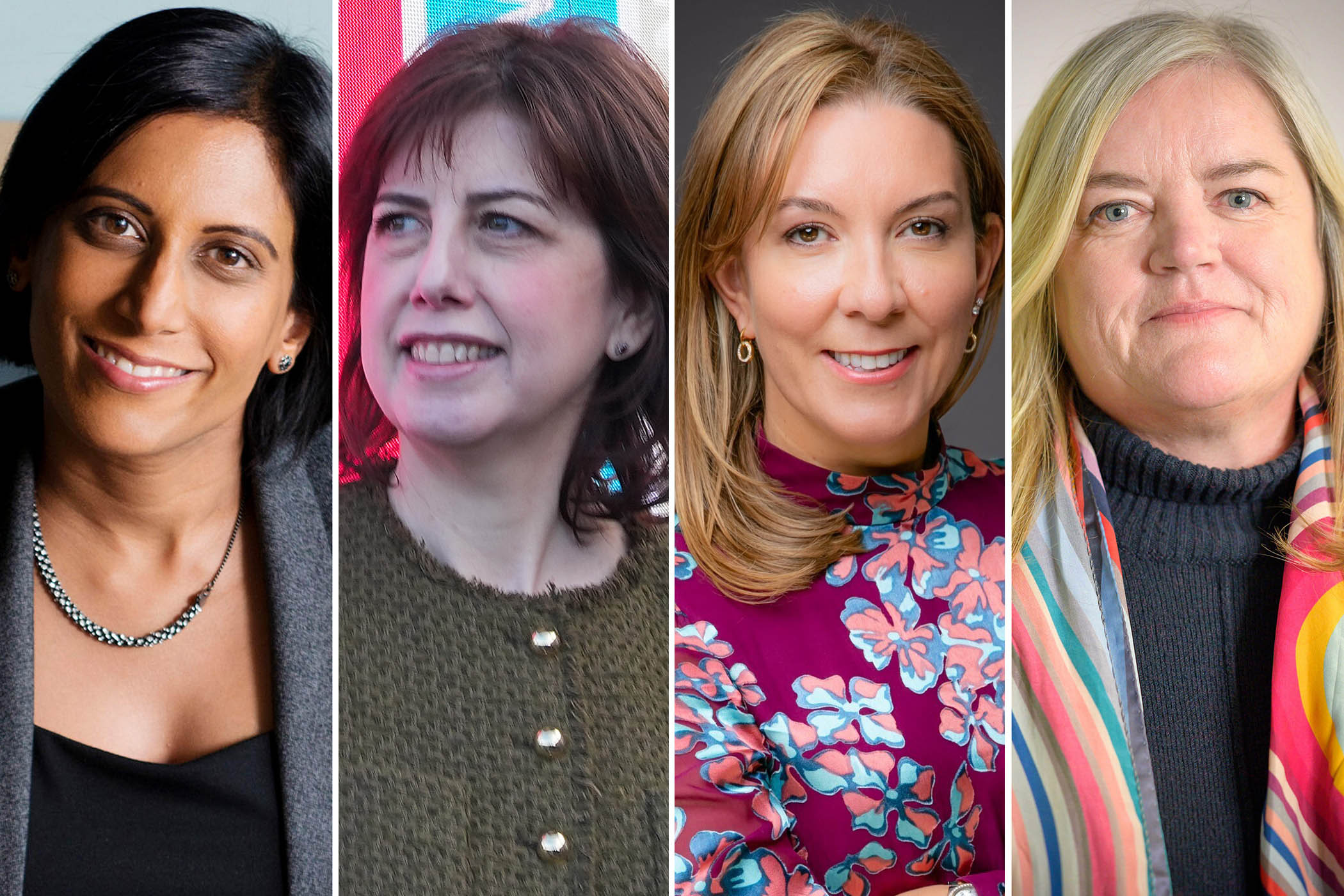
The women now running Downing Street and the Labour party have a WhatsApp group. It is called “the boys club”, in reference to the old regime they have replaced. With Morgan McSweeney, the former chief of staff, and Chris Wormald, the former cabinet secretary, out of No 10, the prime minister is surrounded almost entirely by female advisers.
Vidhya Alakeson and Jill Cuthbertson are now Keir Starmer’s acting chiefs of staff, Amy Richards his political director and Sophie Nazemi is acting head of communications. Antonia Romeo is tipped to be the first female cabinet secretary and Louise Casey, the no-nonsense Whitehall fixer, has a powerful roving role behind the scenes.
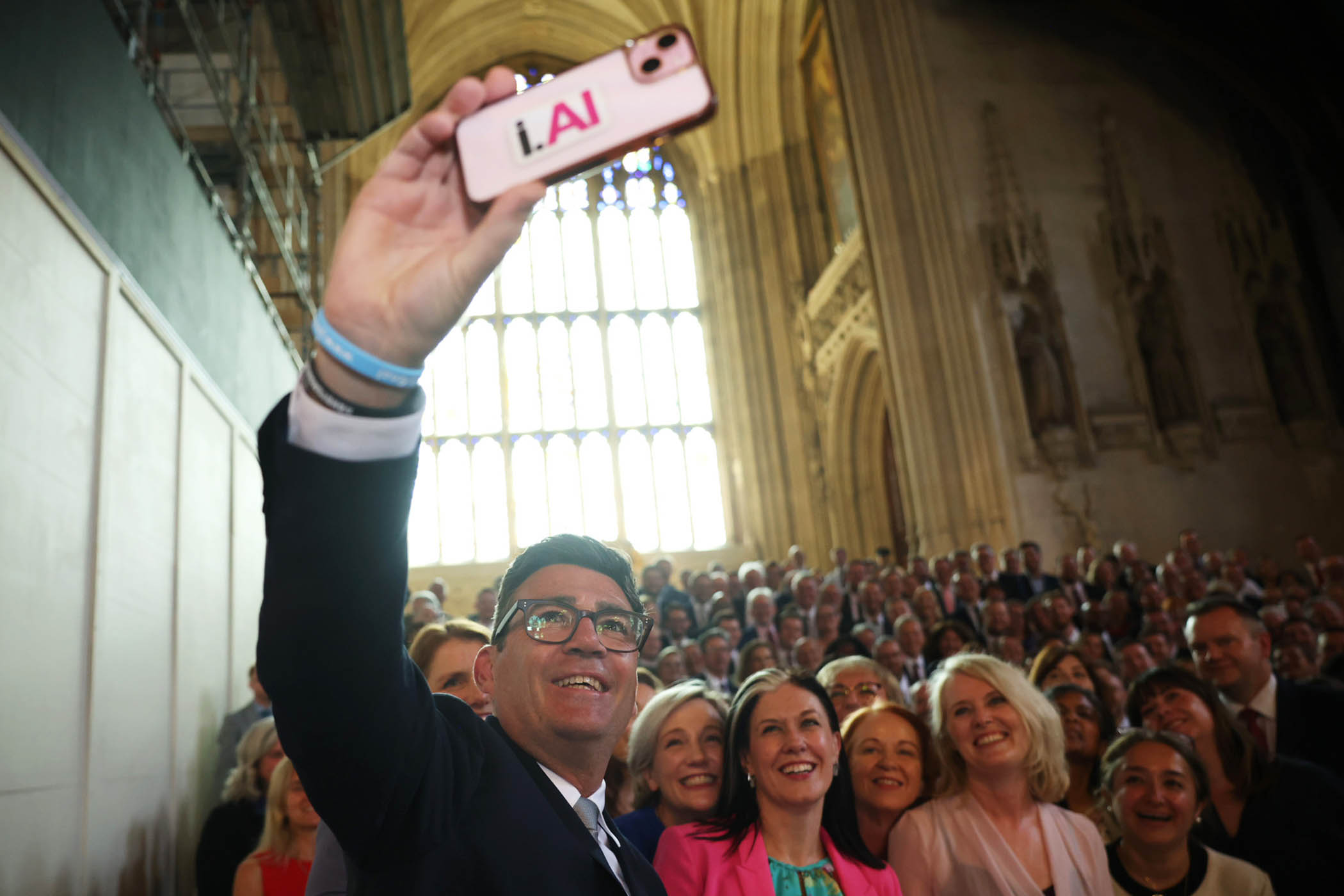
When the Labour leader addressed the women’s Parliamentary Labour Party last week he was flanked by three female aides as he railed against the “structural misogyny” in politics. “It was like Charlie’s Angels,” one of those present said. “The boys’ club has been replaced by girl power,” said another Labour source.
Not everyone buys the supposed significance of the shift.
“I’m a bit cynical,” one minister said. As an adviser put it: “The briefing against our own people is definitely a problem, but that’s not necessarily about gender, it’s about culture, approach and respect for the people you work with. Having more women may help but it can’t be tokenistic.”
Many female MPs and peers are convinced, however, that Peter Mandelson would never have been appointed as British ambassador to Washington if there had been more women in the room to “wave the red flag more vigorously” about his association with Jeffrey Epstein.
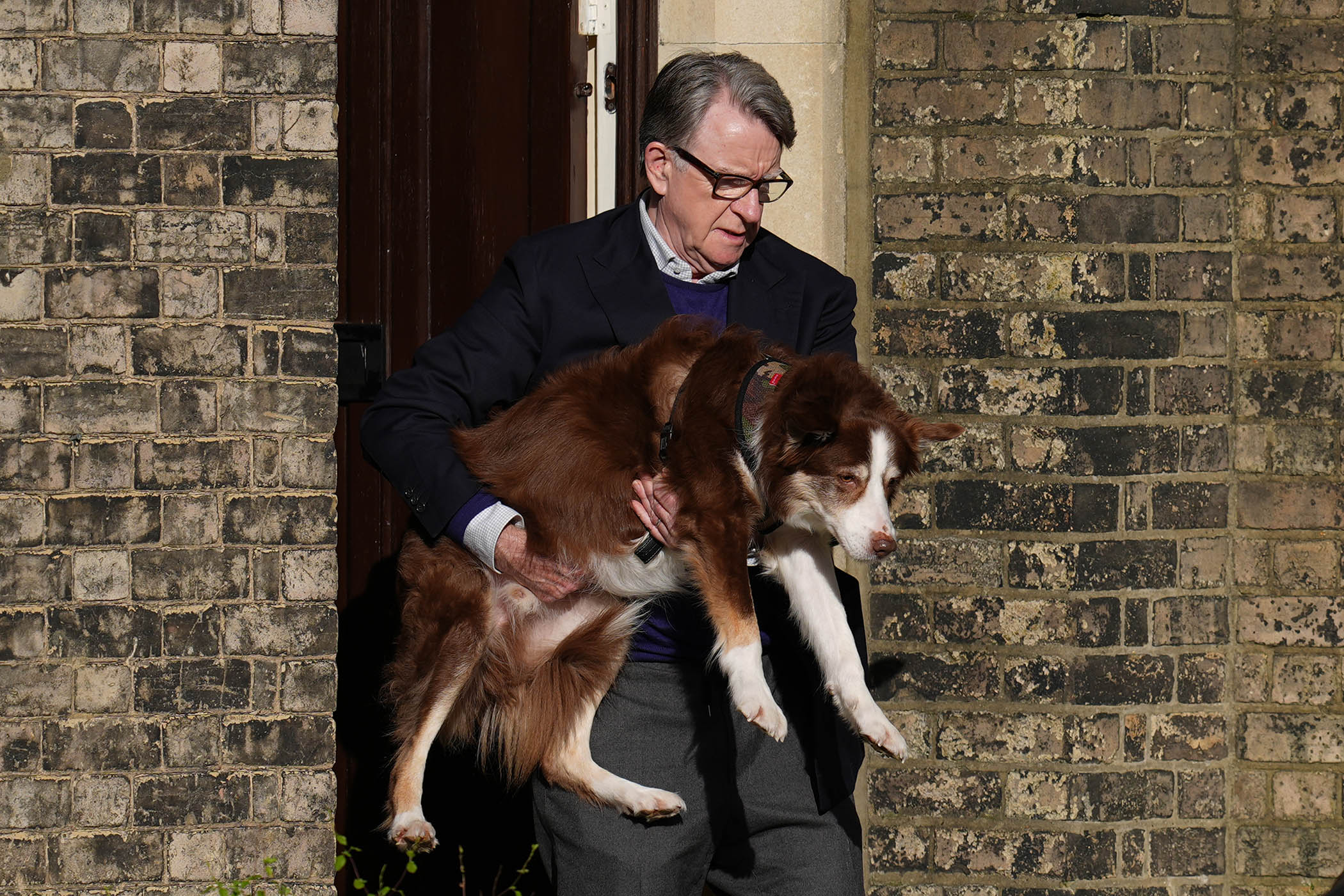
Lord Peter Mandelson carrying his dog whilst leaving his home in north west London, February 14, 2026
“The problem with Peter Mandelson was misogyny. It was about the boys’ club not realising that once you’ve got somebody who has supported a sex offender against young girls that’s a showstopper. It’s not just something you can weigh in the balance,” said Harriet Harman, a former deputy leader of the party.
‘The problem with Peter Mandelson was misogyny’
‘The problem with Peter Mandelson was misogyny’
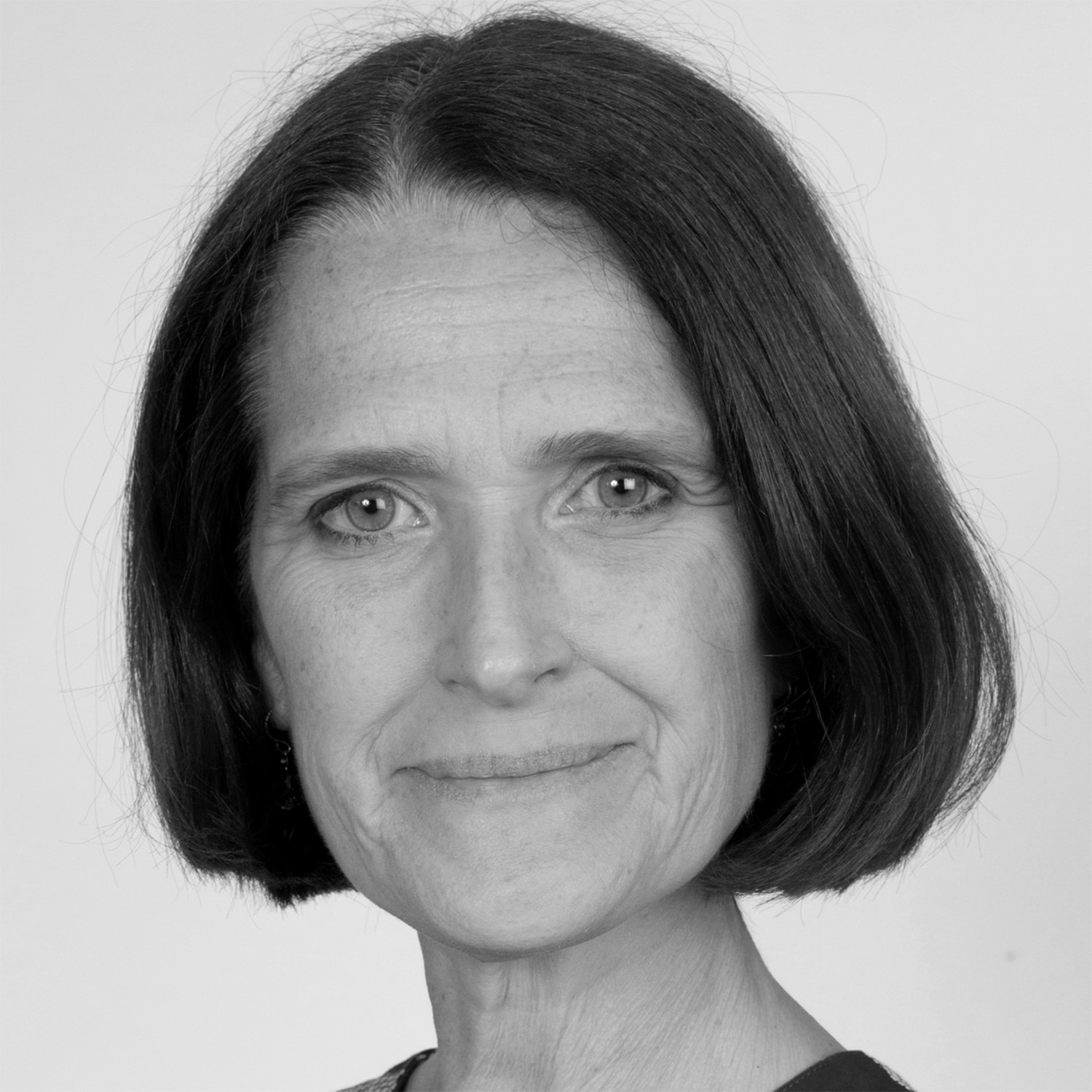
Harriet Harman, former deputy Labour leader
She is calling for a woman to be appointed to the cabinet as first secretary of state: “You need culture change across the whole of government and a mechanism for driving that through.” Lucy Powell, Labour’s deputy leader – who was fired in the McSweeney era – is one name in the frame.
The Labour peer Margaret Hodge, who was a minister under Tony Blair and Gordon Brown, argues that women bring a different perspective and policy priorities to government. In the New Labour era “we really worked together to achieve changes that would benefit women”, she says.
“The right to request flexible working was initially opposed by both Blair and Brown because of opposition from business and it was through the sustained effort of ministers, women in No 10 and backbench MPs that we persuaded both the prime minister and the chancellor to change their minds.”
Newsletters
Choose the newsletters you want to receive
View more
For information about how The Observer protects your data, read our Privacy Policy
Martha Lane Fox, the tech entrepreneur who is also an adviser to the government on artificial intelligence, points to research published in the Harvard Business Review which showed that companies with more women on their boards had a 20% increase in their profit line. “In politics as in business you are going to get better outcomes with a more diverse team,” she says.
But Sharon Graham, general secretary of the trade union Unite, points out that the chancellor, home secretary and foreign secretary are all women. “While I understand the characterisation of the boys’ club and it’s easy for me as a woman to lean into that, the truth is actually this is about policies, this is not about personalities,” she says.
Cabinet ministers insist Starmer needs to involve elected politicians more, regardless of their gender.
“There’s a widely felt frustration that people aren’t brought in on the big decisions,” one aide says. “That’s shared by Ed Miliband, Wes Streeting, Yvette Cooper and Lisa Nandy. It’s not male or female or left or right.”
Senior figures believe there needs to be a much greater focus on policy delivery in No 10. One Whitehall source says: “You can ask whether women do politics differently but the real issue is that the government has been led by people who didn’t follow through and didn’t have an organised approach to what they did. Morgan was all about dark arts. He never wrote anything down. There was no interest in ideas or intellectual curiosity. It was a way of doing politics that was completely dysfunctional. The whole place was shockingly badly run.”
Insiders hope that is about to change. What is far more significant than the gender of those now taking over in Downing Street is that they are more interested in changing the country than in playing party political games. Alakeson, Romeo and Casey have spent the past few months looking for practical solutions to some of the trickiest issues facing the government – asylum hotels, social care, small boats, the courts backlog.
Those who know them say they share a commitment to public service reform and care more about long outcomes than short-term headlines. One ally of Alakeson says: “Vidhya thinks through the consequences of what she’s doing. She won’t say, ‘here’s an announcement, let’s not worry about what happens after’. She will look around a corner.”
A Whitehall source describes Romeo, who was previously the permanent secretary at the Home Office and the Ministry of Justice, as an “incredibly dynamic and inspiring” civil servant with a track record of delivery in the departments she has run. Simon McDonald, the former head of the Foreign Office, has raised concerns about her potential appointment but she was exonerated by an inquiry.
A cabinet minister says of Casey: “Louise is someone who won’t take no for an answer.” There is a similar dynamic at work on the political side, where Richards is attempting to help build the relationship between Starmer and his MPs with a series of Chequers suppers (soundtracked by an “Ibiza chill classics” playlist – apparently an effort to appeal to the new intake of young MPs).
The boys’ club may be over but what will determine whether Starmer survives is not the rise of girl power but the ability to get stuff done.
Photograph Linda Nylind / eyevine, Christopher Furlong/Getty Images, Alamy, Maja Smiejkowska/PA Wire