
This article first appeared as part of Rachel Sylvester on politics, a new weekly newsletter sharing my insight on what’s happening in Westminster, Whitehall and beyond. To sign up, click here.
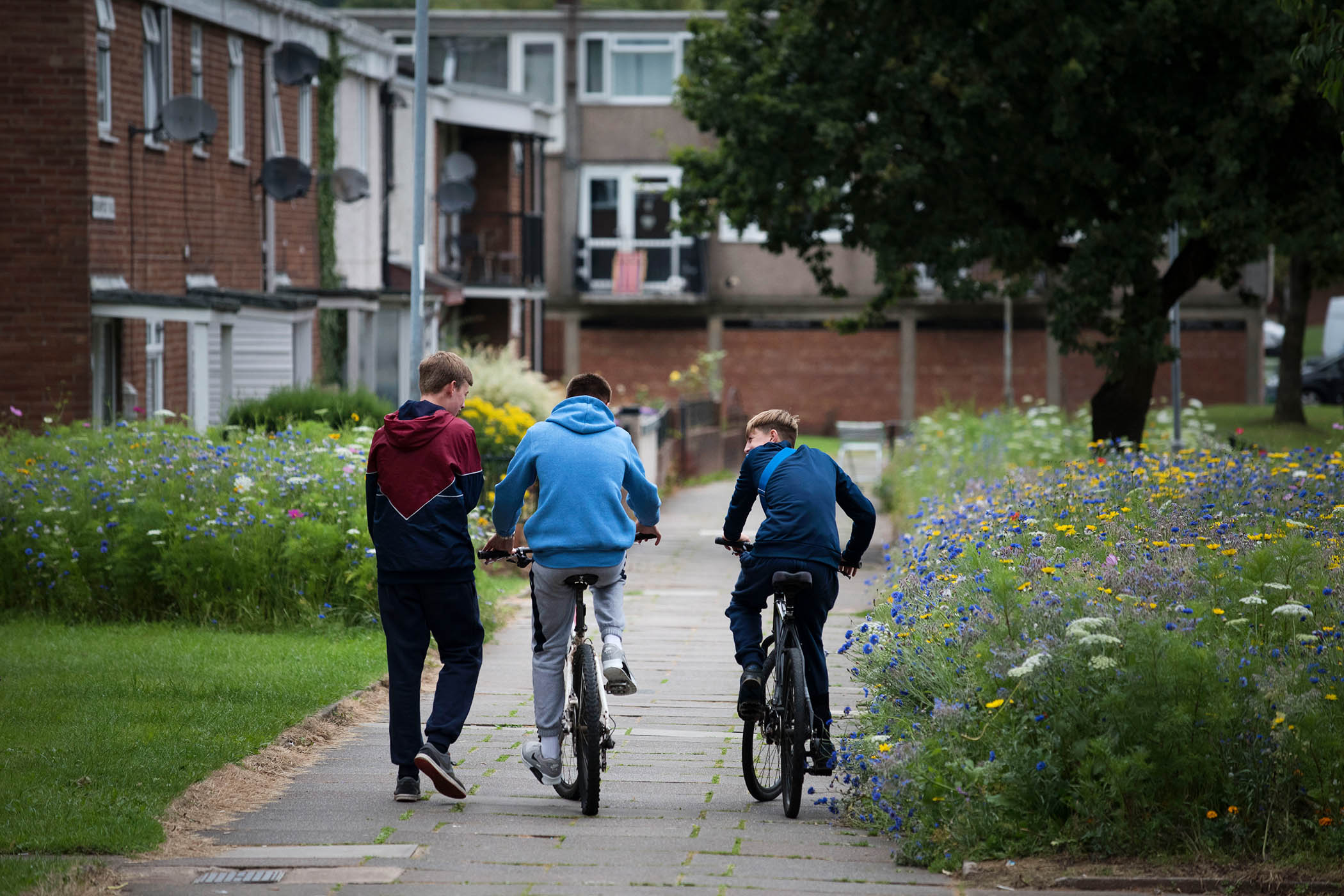
Kemi Badenoch this week highlighted the poor educational outcomes for white working class boys. In her speech on Equality under the Law, she said these pupils are “among the most disadvantaged children in Britain” but they are too often ignored because their difficulties do not fit the “institutional racism story”.
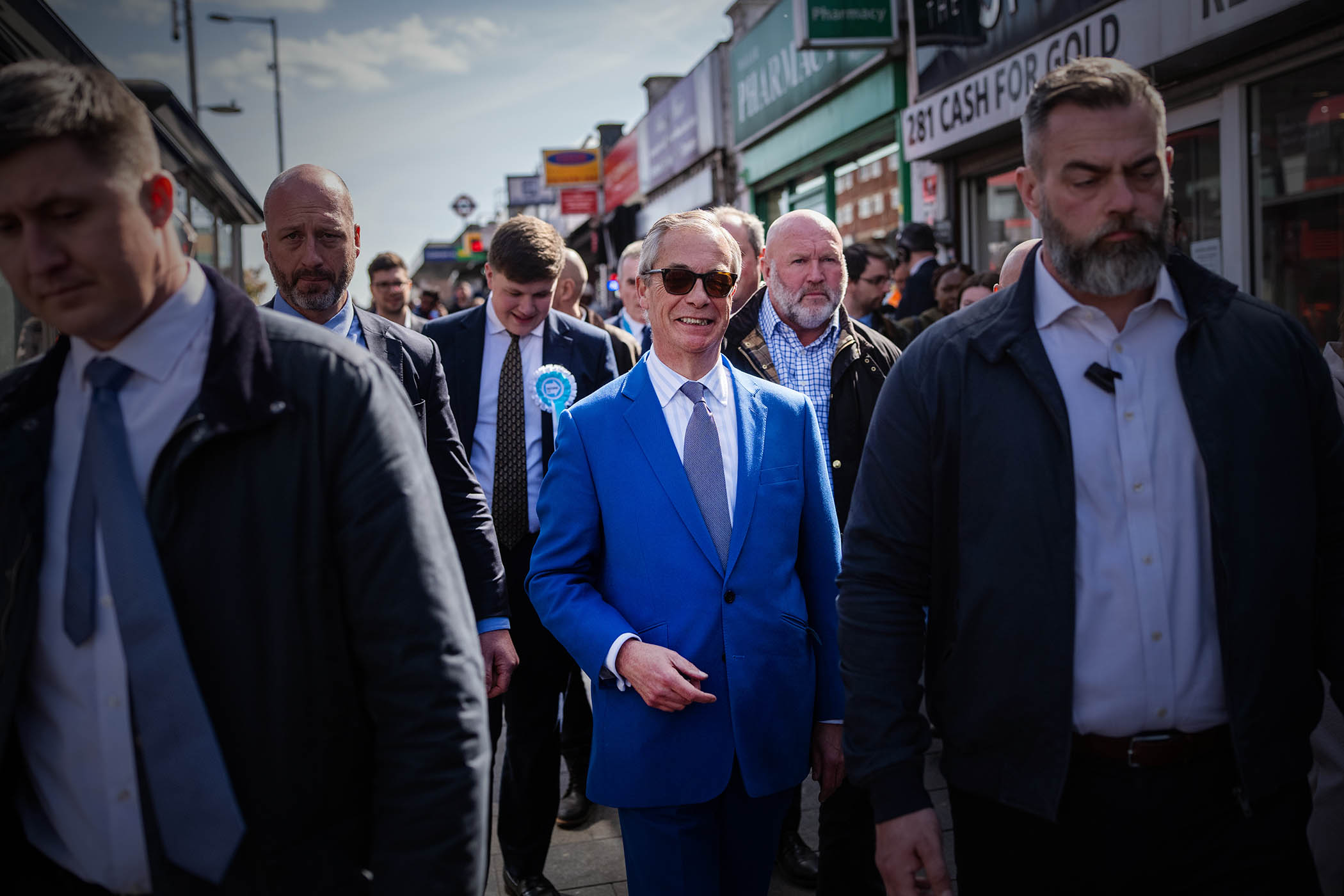
The shadow equalities minister Claire Coutinho picked up the theme, telling Times Radio that there is a tendency to blame “racist teachers” for the low performance of black Caribbean children but “you don’t see the same activism for white working class boys.” Nigel Farage took it one step further and suggested a “culture of anti-white prejudice” in “two-tier Britain” was behind the poor performance of white working class pupils.
The reality is far more complicated than the “anti-woke” brigade suggests. It is true that white working class children consistently do worse at school than almost any other group. Last year only 19% of white British pupils on free school meals achieved a good pass – grade five or above – in their English and Maths GCSEs, compared to an average of 43%.
But these children are already falling behind before they get anywhere near the school gates. By the age of five, only 48% of white working class pupils – and 40% of boys in this group – reach a good level of development. This compares with 75% of wealthier children, according to data analysis by the consultancy Public First. Among children from other ethnic groups who are eligible for free school meals, 59% of Asian pupils and 57% of black pupils achieve the expected level.
Far from being held back by left-wing ideologues promoting the idea of “white privilege”, white working class pupils are being let down by their own parents who too often downplay the importance of education. The actor Eddie Marsan, who grew up on an east London council estate, once described to me how the first time he picked up a book for pleasure, his father grabbed it and threw it across the room. “The things that held me back were cultural,” he explained. “In my experience, for the white working class, because they’d experienced poverty over generations, everything was short term – economically, educationally, morally.”
The idea of “two-tier” public services has been weaponised by right-wingers wanting to whip up “pure cold rage” against immigrants, provoking rioting and violence around the country, but in so many areas the concept simply does not stand up to scrutiny. Although the police have been accused of systemic “anti-white prejudice”, after the murder of Henry Novak, the truth remains that black people are four times more likely to be stopped and searched than white people.
In Hampshire, where the 19 year old student was fatally stabbed, the racial disparity is even higher. Black people are over five times more likely to be stopped and searched than white people. Five years ago, several officers were dismissed from the force’s organised crime unit after covert recordings revealed a “toxic” racist and misogynistic culture. The only black officer had been likened to a “mixed breed dog” and mocked with the suggestion that he had been sent to London Zoo in a crate from Africa.
Politics is a bit like a Roarsach test – people see what they want to see but that doesn’t mean they are right. Some suggest that Valdo Calocane, who has paranoid schizophrenia, was left free to go on a killing spree in Nottingham because mental health professionals did not section him for fear of appearing racist. The real reason is more likely to be the catastrophic reduction in provision. In the 1970s, there were 154,000 mental health beds in England and Wales, now there are fewer than 18,000.
Others claim that the Southport killer Axel Rudakabana was not confronted because of the colour of his skin. In fact his Prevent case was closed because there is a loophole in the law which means that the anti-terror programme does not cover individuals who are obsessed by violence but do not have an extreme ideology. In all these cases, something has clearly gone very wrong but looking at the failings through the prism of a culture war will do nothing to help prevent similar tragedies in future.
Newsletters
Choose the newsletters you want to receive
View more
For information about how The Observer protects your data, read our Privacy Policy
Nigel Farage has repeatedly drawn a link between immigration and crime to argue that asylum seekers have helped to create “lawless Britain”. But according to Oxford University’s Migration Observatory, rates of incarceration and criminal convictions are broadly similar for foreign and British nationals. Young men, who are more likely to commit crimes, are over-represented in the immigrant population and so, when controlling for age and sex, the share of non-UK citizens in prison is actually lower. The Migration Observatory’s analysis concludes that there are around 3,000 fewer foreign nationals in prison than there would have been if they were locked up at the same rate as Brits.
The horrific knife attack in Belfast by a man who came to the UK from Sudan has been seized on to further inflame racial tensions with calls for “patriots” to protest. Ten years ago the Labour MP Jo Cox was stabbed by a white supremacist born in Scotland who hated the liberal pro-European values she represented.
When the US vice president JD Vance blamed Henry Nowak’s death on the “mass invasion of migrants” and suggested it shows how “a civilisation dies” he was wrong on both fronts. The way a civilisation dies is when it stops caring about the truth. Liberal democracy, and the institutions that underpin it, depend on a shared set of facts, which is why the myth of two-tier Britain is so dangerous.
Photograph by Matthew Horwood/Getty Images