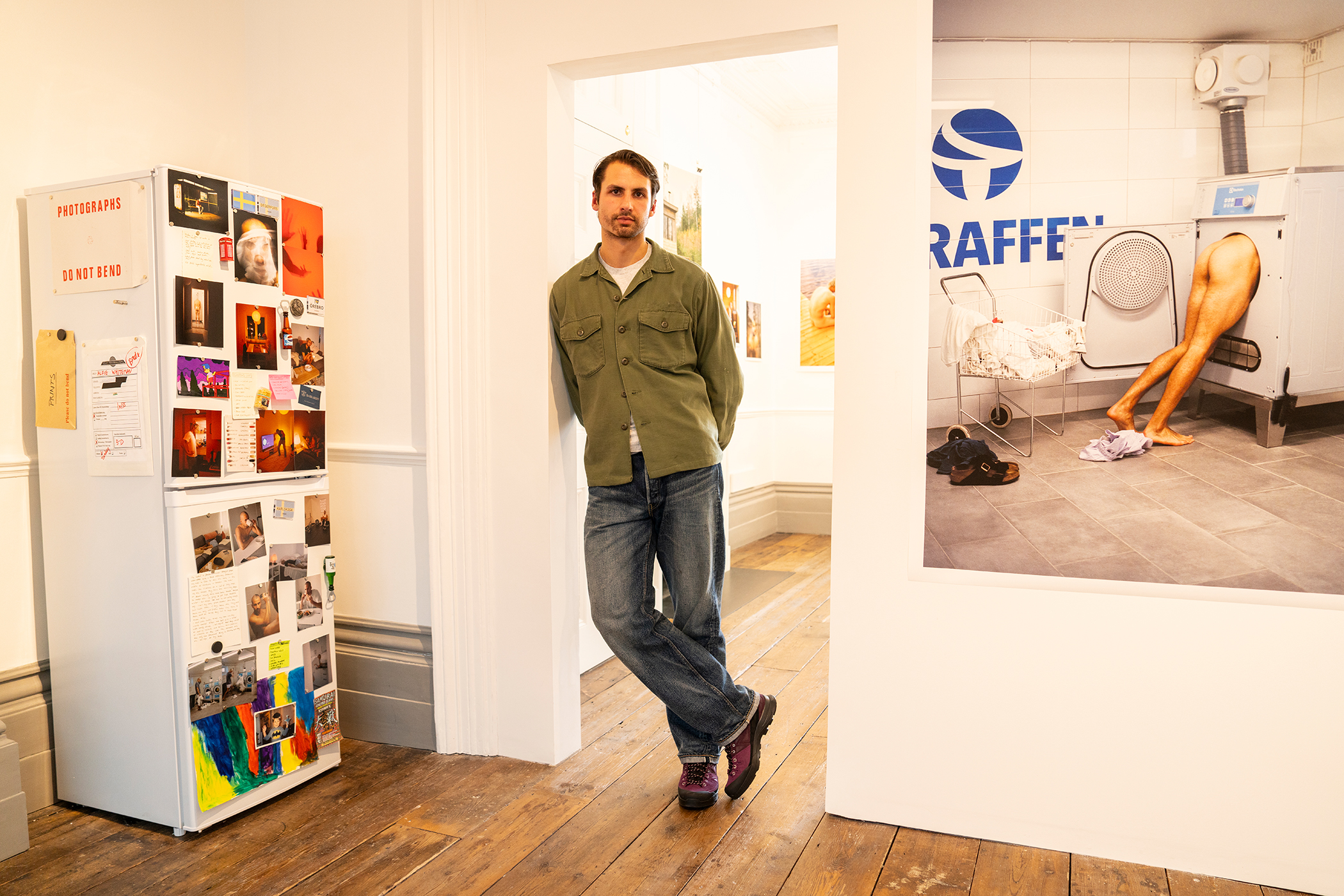
When Alfie Whiteman walks into the OOF Gallery at the Tottenham Hotspur Stadium, he looks taken aback. The former Tottenham player finds himself confronted by a whole host of pictures of himself, self-portraits he took when he was on loan at Degefors IF in Sweden in 2021. As he arrives for his interview with The Observer, this is the first time he has seen the pictures blown up to full size.
“I’m having second thoughts,” he admits sheepishly as we gaze at more than one picture of Whiteman’s bare bottom, including one of it protruding from a washing machine.
Whiteman never imagined that the photos he took, as a way to keep himself occupied during his loan spell, would be on public display, accompanied by pages of diary entries, a fridge and a replica of the sauna he spent hours in while in Sweden. Whiteman began turning the camera on himself simply because he was bored of taking photos of the jetty or the lake. At one point, he tells me “the world’s got enough flipping sunset pictures” as we look at a photo of a sunset he took.
“I didn’t have anything to photograph,” he says. “I was in the middle of nowhere in Sweden and also at a stage where I didn’t have the confidence or time schedule to make something.”
His days in Sweden were much the same as those of any footballer, with a morning filled with training, meetings and the gym.
He had initially written out an idea for a short documentary about the tractors teenagers in rural Sweden drive but felt overwhelmed by the frustration of feeling like he couldn’t make the kind of creative work he wanted to. In the end, he began setting up the self-timer on his camera and getting in the shots himself.
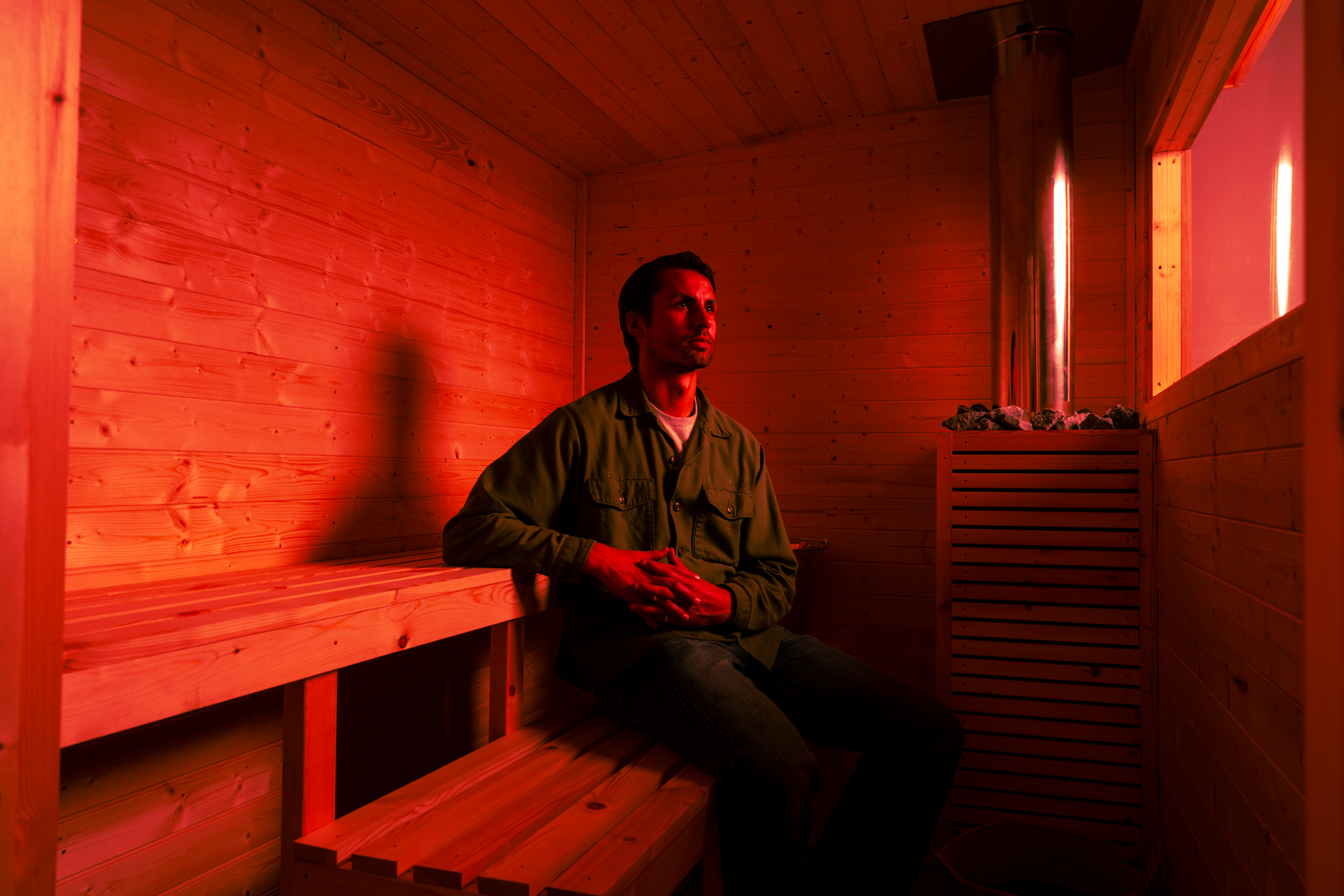
“It makes you ask ‘What is going on with this guy?’” Whiteman says, reflecting on the photos. “I was just desperately trying to figure out what to do.
“It’s interesting looking at these now in retrospect because a lot has changed but the feelings that I was having leading up to my decision to go a different way are quite clear when I look back at these.”
The decision that Whiteman made last October was to retire from football at the age of 26. He had spent 16 years as a goalkeeper at Tottenham and made only one appearance for them in that time, replacing Joe Hart in a Europa League game against Ludogorets.
Born and raised in north London, Whiteman fell in love with football but he also fell in love with lots of the other things that London offers, whether it was going to jazz gigs with his dad at Ronnie Scott’s or seeing exhibitions at the Tate Modern. He remembers seeing Olafur Eliasson’s The Weather Project as a five-year-old, where a gigantic sun was installed in the gallery’s Turbine Hall. A few years later he went to see Doris Salcedo’s Shibboleth, the gigantic crack installed in the floor of the same room.
I never really identified with being a footballer, this wasn’t my identity. I kind of was the opposite.
I never really identified with being a footballer, this wasn’t my identity. I kind of was the opposite.
The varied influences on Whiteman’s life meant he developed interests which extended well beyond football.
“Growing up through football, you’re taken out of the real world very early,” he says. “You have to deal with pressure but on the other hand, you don’t have to deal with a lot of things that most people do. Ultimately, you are figuring yourself out but you’re a product of your environment. It’s very protected. You’re in this bubble and that’s what I was in. It’s only through external influences – my parents and friends – and exploring things separately that gave me the understanding that I could do things other than play golf.”
Whiteman quickly developed a reputation both inside and outside of football for being a “hipster”. He has a show on NTS Radio, which is well known for playing niche music. His Letterboxd account, where he catalogues and rates films he has watched, became a popular talking point on social media.
“When I was younger, I split my life,” he says, referring to his use of his mum’s second name, Hussain, in his creative projects.
“I didn’t like being defined as playing for Spurs. I wanted to work on other things just as me and earn opportunities organically. At the same time, I was worried about the perception within football. Football is very much like, ‘If you do anything else, you’re distracted’. Then over time I just started being myself more with everything.”
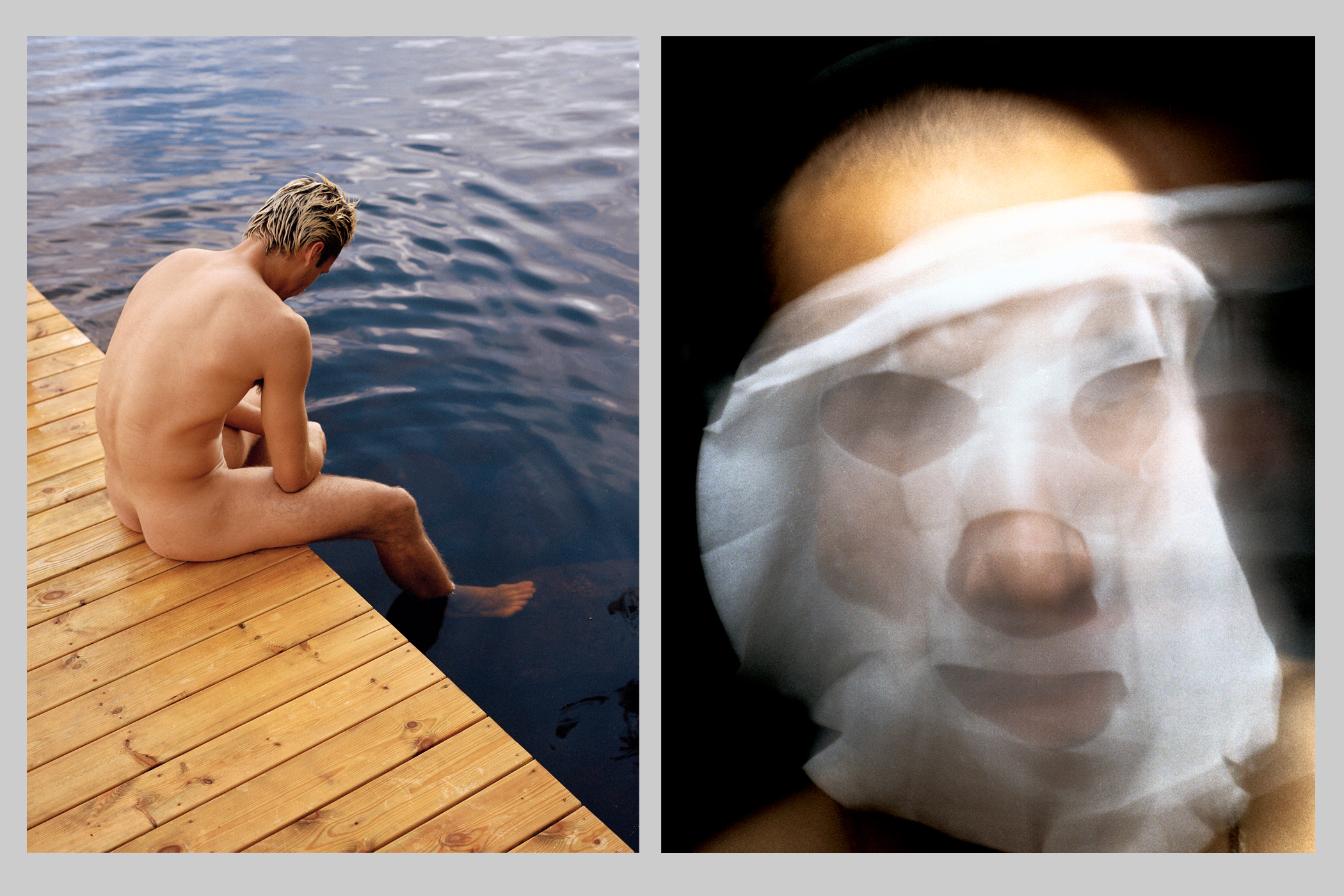
The playful and silly nature of some of Whiteman’s photographs contrasts with the emotional writing in his diary entries – “What am I doing with my life?” – that are pinned to the wall between them.
“It’s all very personal and embarrassing in a lot of ways but at the same time coming to terms with what I wanted to do is somewhat similar. Being like ‘I don’t care what people think any more. I’m just going to unapologetically follow the path that holds my interests.’
“If I had tried to do this [exhibition] a year or two years ago, it wouldn’t have made as much sense as now because I would have still been in this feeling [headspace he was in when making the art].
“Now it is quite nice because I am looking at them as a past self. It’s a very specific period of my life but it encapsulates the feeling I had when I was playing football.”
The relationship Whiteman has with football now is tangential. He has turned down requests from friends to join their five-a-side teams and despite still living near the Tottenham Hotspur Stadium, he reveals he had had little idea what dire straits the side were in until a friend had told him about the slide towards relegation the other week.
“Last year, I was having therapy through the Professional Footballers’ Association,” he says. “One day I went in and I said ‘Guess what, I’ve quit’.
“I was shaking. We talked about this whole thing of grieving it. But I’m not feeling it yet. I’m waiting for it and it may come, but I think because I never really identified with being a footballer, this wasn’t my identity. I kind of was the opposite. I felt like I wasn’t a footballer.”
Photograph by Antonio Olmos/The Observer
Newsletters
Choose the newsletters you want to receive
View more
For information about how The Observer protects your data, read our Privacy Policy