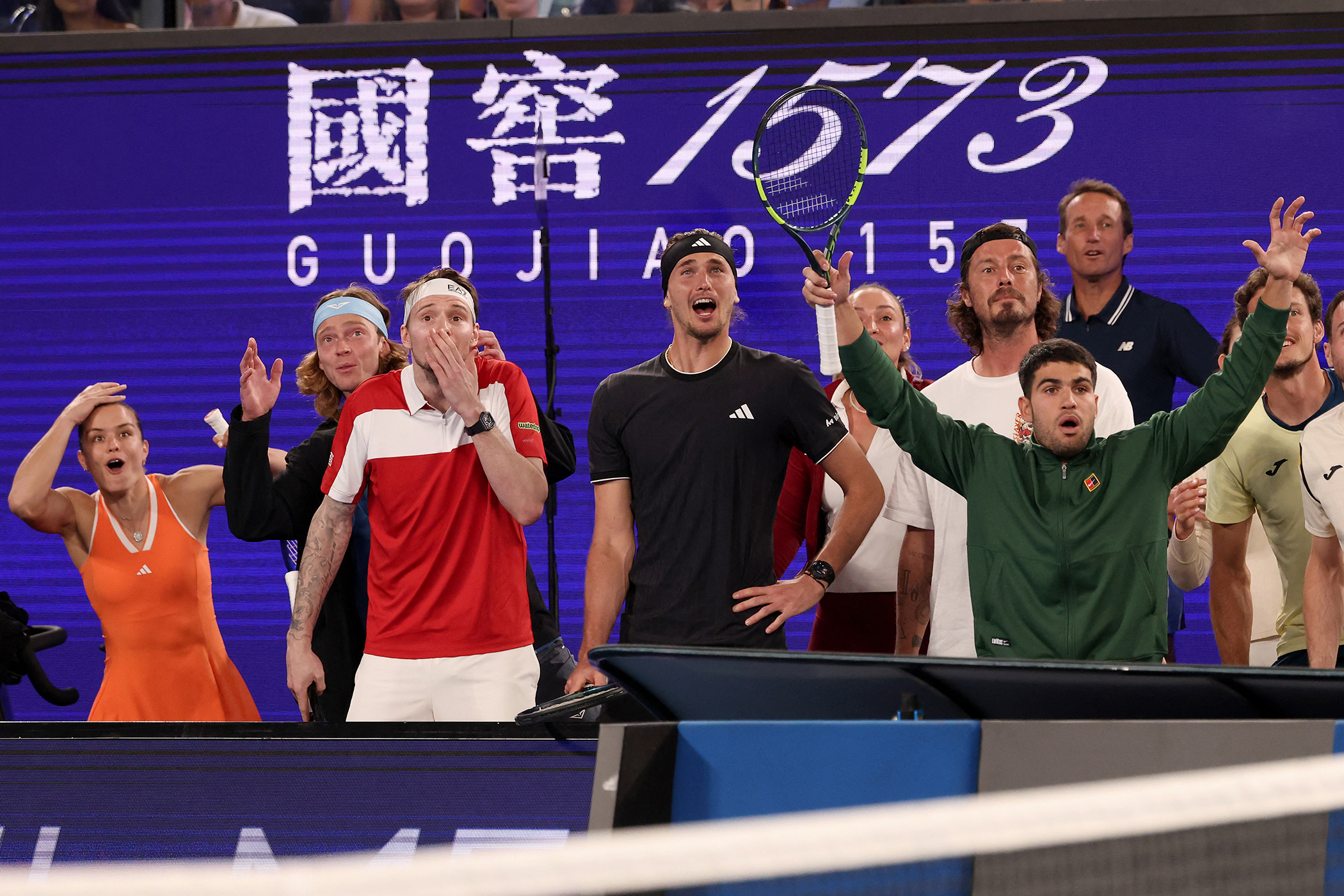
As every sport rips itself to shreds in service of the great eyeball war, the Australian Open appears to have found a brilliant new weapon. In a stuffy, sold-out Rod Laver Arena, the second One Point Slam – but the first with a AU$1m (£500,000) prize and the sport’s biggest names – felt like the perfect innovation, tennis as gameshow. With matches lasting just one point, at its best, it was all punished hubris, the power of momentum and the frailty of the mind; brutal theatre. A great rally felt like an epic in miniature, ebbing and flowing and probing, both ridiculously trivial and deadly serious.
In short, 48 players were placed into a bracket, with 16 “seeds” given a bye through to the second round, including Carlos Alcaraz, Jannik Sinner, Coco Gauff and Iga Świątek. There were eight state champions, eight celebrity wildcards – thousands appeared to have showed up only for a glimpse of Taiwanese singer Jay Chou, but he didn’t even try returning Petar Jovic’s serve – players from the ATP and WTA, and 18 qualifiers from the previous two days, including two-time Grand Slam winner Marat Safin. Rock, paper, scissors (a game it transpires elite tennis players are laughably bad at) decided who served; pros getting one serve, amateurs two. The prize sat courtside in a glass box. From there, every match lasted one point.
The event had its teething problems, not least an on-court MC seemingly only capable of saying “How exciting is this, eh” as either statement or question, insisting on interviewing every player both before and after all their points. Before her quarter-final, WTA No 70 Donna Vekic even took the chance to plug her new brand. Even if this worked on TV, in person the constant breaks were interminable, less than an hour’s “all bangers, all the time” tennis dragged across three.
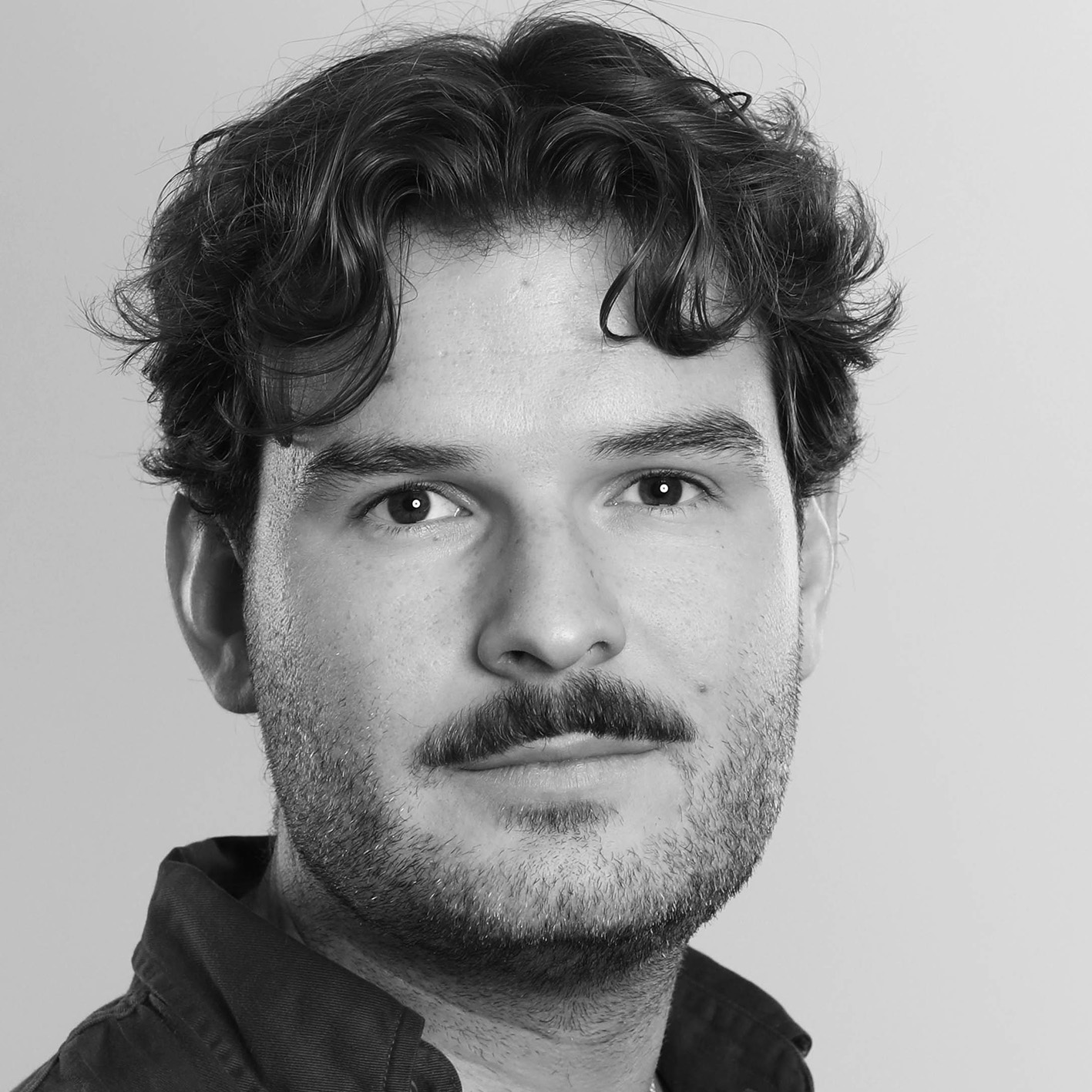
But the format’s greatest vindication was its winner – New South Wales state champion Jordan Smith. A permanent grin in a New Balance T-shirt, Smith works 50-hour weeks coaching at the tennis academy his parents run in Sydney. He has flirted with going pro and did a year of college tennis in the US. His ATP ranking peaked at 1,141 in April 2023 after playing a few local Futures tournaments. As is the standard for anyone able to get rich quick under death-rattle capitalism, the money will help him move out of his parent’s house.
Smith won 17 consecutive points across two regional qualifiers in New South Wales and the final, and given the vast majority of elite players average between 50-55% of points won throughout a career, this required as much luck as skill. But both finalists – Smith and WTA No 117 Joanna Garland – coming through qualifying to get here, both beating top-10 players, suggests there is a way of gaming the system.
What does Smith believe that is? “It’s pretty cliche, but one point at a time,” he told The Observer. “I didn’t want to think too much ahead. I didn’t think about the bad situations at all. I didn’t think about the money. I was actually quite nervous the first round in Sydney. It worked out well in the end.”
The ability to think like this and mean it, keeping yourself level, is probably the defining skill of this format, if not all elite sport. Most players ended up beating themselves – breakfast TV presenter Karl Stefanovic reached the second round because his state champion opponent double-faulted. World No 71 Pedro Martinez made the semis in part thanks to some hilariously unsubtle gamesmanship, squeaking his shoes as his opponent served and just being a general irritant.
Only two men reached the quarter-finals; Smith and Martinez. The male megastars were more obviously crushed by the weight of their own egos, by fear of an embarrassment they are so rarely exposed to, with the most obvious example being Sinner sticking his first serve in the net against Smith. The fact the pros mostly chose to receive when given the choice exposed their nerves. Plenty seemed utterly bamboozled by having to face opponents so far below their level, far greater downside than up. “The more I play against these guys, the more the pressure is on them,” Garland said before her quarter-final. She was right.
Fans are understandably suspicious of gimmick-adjacent events like this, rooted in the TikTokification fear that this is what all sport, all entertainment, is trending towards – name-driven, short-form content. Tennis has had its recent botched attempts – particularly the US Open’s hollow revamp of the mixed doubles and last month’s heinous Battle of the Sexes reanimation. But viewed as somewhere between a sporting accoutrement and social experiment, accessory not threat, every Grand Slam will be exploring their equivalent. Wimbledon executives have asked the BBC to modernise its coverage – suggesting something like this would be a good place to start.
Of course, the format could tire easily in the wrong hands, and will almost certainly follow the golden rule of modern sport: anything people like will be exploited and repeated ad nauseam. But this is what every sport should be searching for – something that embellishes rather than dilutes, provides new texture and light, new stories and heroes.
Newsletters
Choose the newsletters you want to receive
View more
For information about how The Observer protects your data, read our Privacy Policy
Photograph by David Gray / AFP via Getty Images