

The Weekly Stat: Before the current series, there had been 20 Ashes series in Australia since 1946. The second Test has been drawn in three of them. The winner of the second Test has gone on to win the series in 16 of the other 17.
If there is one more important task for England on any Ashes tour of Australia than winning the first Test, it is winning the second. Historically, it is a challenge England have failed with an almost heroic persistence.
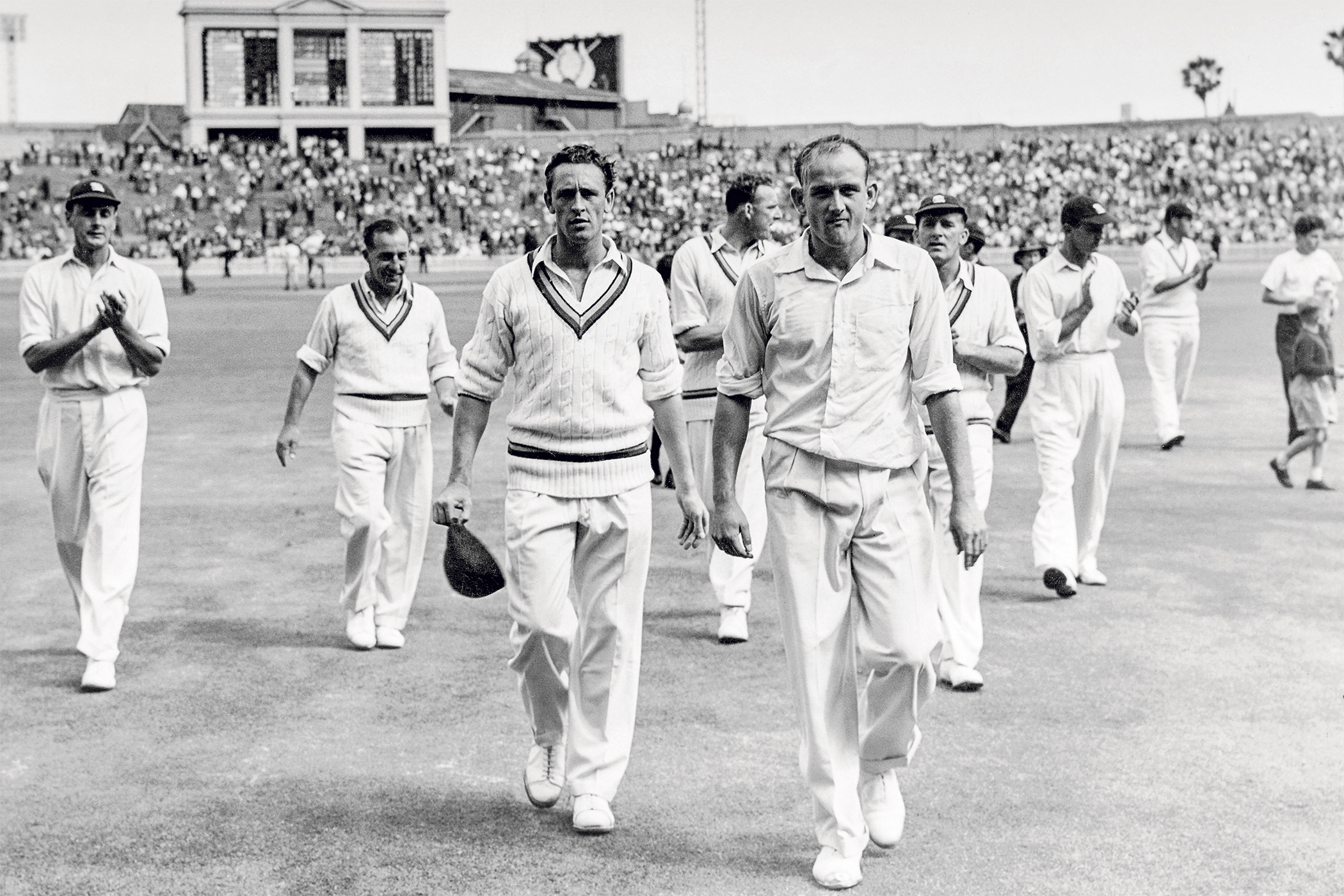
Since 1920, England have lost the first Test 15 times on Ashes tours of Australia, and have also lost the second Test in 13 of those series, with the exceptions being 1954-55 – when Len Hutton’s team responded to a Brisbane thrashing with three consecutive victories – and this series, by virtue of the fact that the Brisbane Test hasn’t yet taken place.
Ben Stokes’s team and cricketing precedent went their separate ways some time ago, mostly for the better. Despite their record-splinteringly rapid-fire collapsibility in Perth, this side have a better chance of a second-Test win than most of those 15 first-Test-losing predecessors.
Recent trends suggest that second-Test comebacks are significantly more frequent than they were. The defeated first-Test side have rebounded to a second-Test victory in four of the past 11 series in Australia, including the most recent two (West Indies in 2023-24, and Australia against India in 2024-25), a feat which had only happened once in the previous 51 series over 32 years in Baggy Greenland.
Two of the past three series of more than three Tests in Australia have been come-from-behind series victories (by India over Australia in 2020-21, and by Australia over India in 2024-25), as many as in the previous 34 series over 60 years.
In five of England’s 11 previous series in the Bazballian epoch, the team who lost the first Test have won the second. Admittedly, the past four of those occasions have involved England losing the second match, but the stat stands. England have been involved in six come-from-behind series in the past six years, winning three and losing three, having been in only four (all victories) between 2001 and 2019.
With draws increasingly rare – there has not been a drawn second Test anywhere since July 2023, in 36 series – such turnarounds have become more achievable.
Actually achieving the achievement, however, will require, in particular, a cure for England’s increasingly concerning second-innings struggles.
Since the 2023-24 winter, when, after a staggering first-Test win in Hyderabad in which Ollie Pope made 196, the sole second-innings century of his career, England have averaged 4.2 more than their opposition in first innings (38.2 to 34.0), but 5.2 runs per wicket less in the second (28.0 to 33.2).
Newsletters
Choose the newsletters you want to receive
View more
For information about how The Observer protects your data, read our Privacy Policy
Since the start of 2023-24 international season, in terms of ratio of runs per wicket for and against (a useful measurement that moderates the statistical impact of conditions), England have the sixth-best figures of the 12 Test nations overall, with the runs-per-wicket with the bat (33.9) being 0.9% better than their opponents (33.6).
This near-parity is reflected in their results, with 12 wins and 11 defeats in 24 matches. They have remained strong in the first innings, with the fourth-best runs-per-wicket ratio (38.2 to 34.0, +12.5%); but are ninth best in second innings (28.0 to 33.2, -15.7%), ahead of Pakistan, Zimbabwe and West Indies, and way behind Australia (27.1 to 20.8, +30.5%, having played on a number of difficult pitches) and South Africa (30.5 to 24.1, +26.5%).
In the first 15 months of the Stokes era to the end of the 2023 Ashes, England were, statistically, the most dominant second-innings team in Test cricket. Fuelled by spectacular fourth-innings chases, England averaged 40.1 with the bat in their second innings, and 28.4 with the ball, the 41.1% difference comfortably the best of any team. In that time, England won 13 and lost four of 18 Tests. They had the best overall runs-per-wicket ratio (39.1 to 29.4, +32.7%); they were third best in first innings (38.5 to 30.4, +26.6%), but their second-innings brilliance drove their success.
Since 2023-24, of England’s regular top seven, only Joe Root has not suffered a markedly lower second-innings average, both his 55.2 first-innings and 54.0 second-innings averages being among the global elite.
Second-innings averages are generally lower than first-innings figures, as conditions often become more difficult during the course of matches, but, Root excluded, England’s drop-off is strikingly more pronounced than the norm.
The overall second-innings decrease for top-seven batters in Tests this millennium is just over 20% (40.4 average in first innings, 32.0 in second). In the past two years, Zak Crawley has averaged 38.6 in first innings and 18.6 in the second in that time; Ben Duckett 48.2 and 33.7; Pope 45.0 and 26.0 (16.0 since Hyderabad); Harry Brook 66.0 and 33.5; Stokes 33.1 and 24.4; Jamie Smith 58.5 and 30.4.
Whatever the reasons for Bazball England’s reversal from being a dominant second-innings team in their first year and a half to a fragile one since – and those reasons are a mystery – it is a glitch that will almost certainly need to be rectified if England are to challenge Australia in the rest of this series.
Photograph by Popperfoto/Getty Images