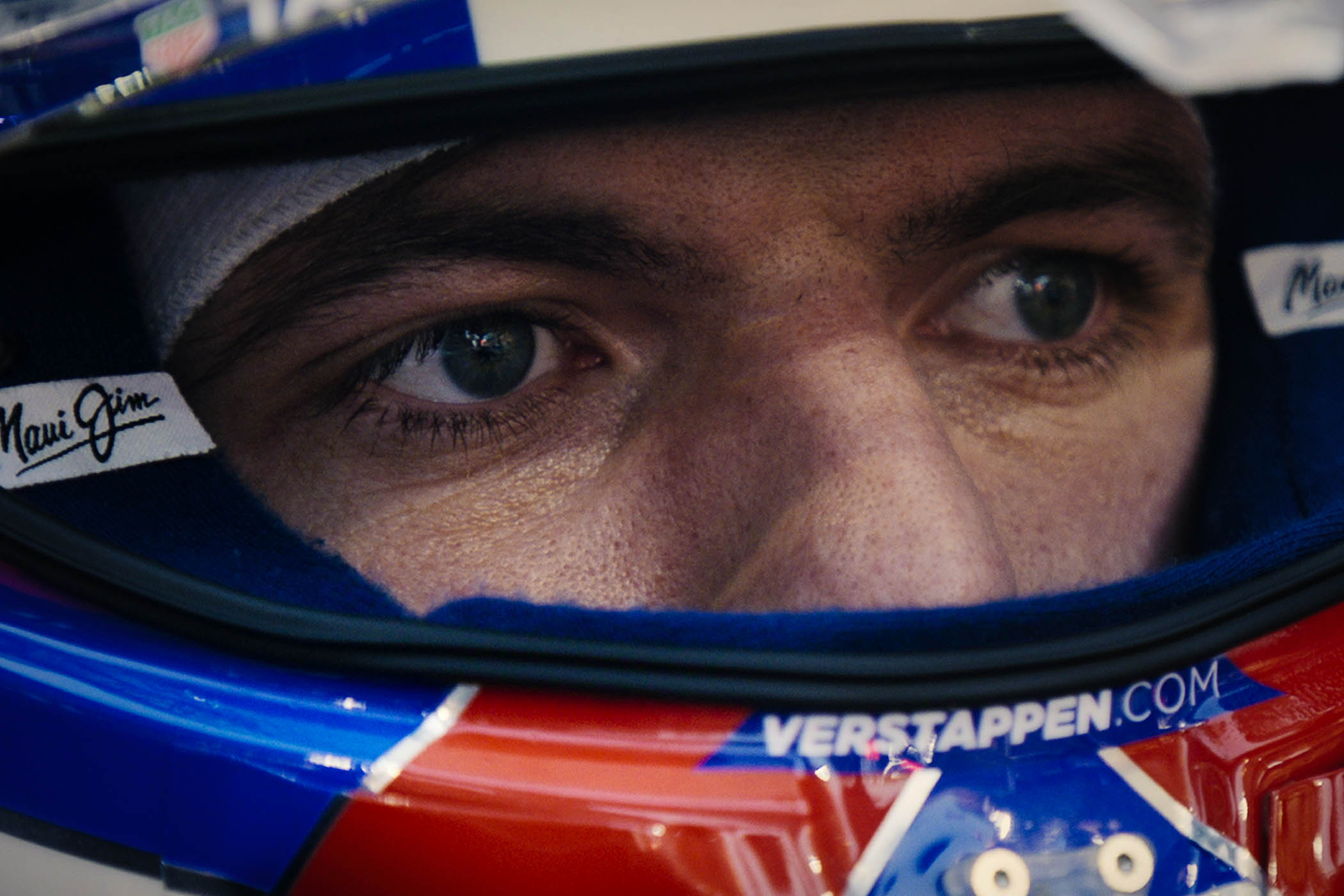



Alongside VAR, the Indian Premier League, Halo and Carlos Alcaraz, Drive to Survive perches among the defining innovations of modern sport. Its literalisation of sport’s soap opera tendencies was, at least initially, engaging and accessible, made to sell Formula One to young people, women in particular and Americans – the holy trinity of modern consumerism. A 2022 survey found almost a third of F1 fans cited Drive to Survive as a major inspiration for their interest in the sport, rising to more than half in the US, which now has three grands prix – up from one when the series began in 2019.
Commissioned by F1 owners Liberty Media, although production company Box to Box Films retains something approaching final cut, the format lets drivers say more or less what they like without any risk of being disputed or rebutted, and they can refuse to take part if offended. It’s a propaganda vehicle about propaganda vehicles.
Almost every other sport has attempted or will attempt equivalents. Golf had Full Swing (good), cycling, Tour de France: Unchained (very good), tennis, Break Point (it transpires tennis players are inordinately dull), and rugby, Six Nations: Full Contact (but not as mind-numbing as watching Marcus Smith buy a G Wagon). All were produced by Box to Box, in collaboration with relevant governing bodies, reducing them to little more than advertorials. As Netflix’s vice president of non-fiction originals once put it: “Everyone wants the ‘What’s the Drive to Survive of this?’”.
The eighth series of Drive to Survive is released on Friday, and it’s the first to comprise eight episodes rather than 10, the clearest indicator yet that the format might be struggling for new ideas. Will “Basil Exposition” Buxton has somehow not yet been replaced by AI. Christian Horner still doesn’t think he’s done anything wrong, ever; an ego so pharaonic it has effectively propelled the show this far. Plus ça change.
Last year Lando Norris said the writers “need to come back to reality a bit more” and accused the show of “almost lying” and “faking rivalries” after an episode focused on tensions between him and Max Verstappen. Producers later blamed an “error” in splicing together footage from two grands prix months apart. Verstappen previously called it “99% entertainment, 1% racing”, not quite the put-down he thought it was.
Of course, there is no right way to consume sport. But when your introduction to a sport is entirely on the sport’s terms, it is often stripped of edges and imperfections. Sport’s objectivity is its strength. The reality is the magic, which is why making a good sports film is almost impossible. And so at some point you have to ask: why are so many people comfortable being lied to? Why do we so often prefer well-packaged fantasy to the truth?
Drive to Survive exposes a wider pestilence in sport: the rise of access journalism as most elite sports and clubs ring-fence their athletes. The lines between PR and sports journalism have blurred to a point of imperceptibility; the same is true of documentary and infomercial, and seeing inside someone’s world entirely on their own airbrushed terms often teaches us little-to-nothing, as the Beckham documentaries proved: an endeavour by the Beckhams, for the Beckhams.
Netflix’s role in this is worth examining too. Having previously aired Jake Paul’s attempts to bury boxing before it can bury itself, in September the streamer will attempt to sell 48-year-old Floyd Mayweather fighting 47-year-old Manny Pacquiao to the world, the rematch no-one asked for.
This is another example of the disdain Netflix executives seem to have for sport. Here, watch a man climb a 101-storey building. How about dragging six elite tennis players together in Riyadh for a meaningless exhibition that doubles as a parade of Saudi soft power? What happens if you put a geriatric Mike Tyson in the ring with a kangaroo?
Netflix’s modus operandi with live sport seems to involve stripping all nuance and jeopardy, debasing great athletes into circus acts for extortionate sums; a cynical transaction of the most eyeballs for the lowest effort with responsibility assigned to no-one other than the shareholder. Their only regular broadcast deal is with WWE, which you sense is Netflix’s ideal for live sport; scripted storylines performed by easily comprehensible characters with a lingering if remote risk of serious injury or death.
Newsletters
Choose the newsletters you want to receive
View more
For information about how The Observer protects your data, read our Privacy Policy
Maybe its executives just understand the base desires of sports fans better than most sports bodies themselves: infomercials and freak shows, flat narratives and flatter caricatures. They are reportedly set to invest further in live events, heavily linked to the next round of Premier League TV rights, among others. They have proven they will give people exactly what they want, perhaps long before they realise they even want it. Drive to Survive changed sport. We should worry about what might change it next.
More from The Observer
Photograph by Netflix