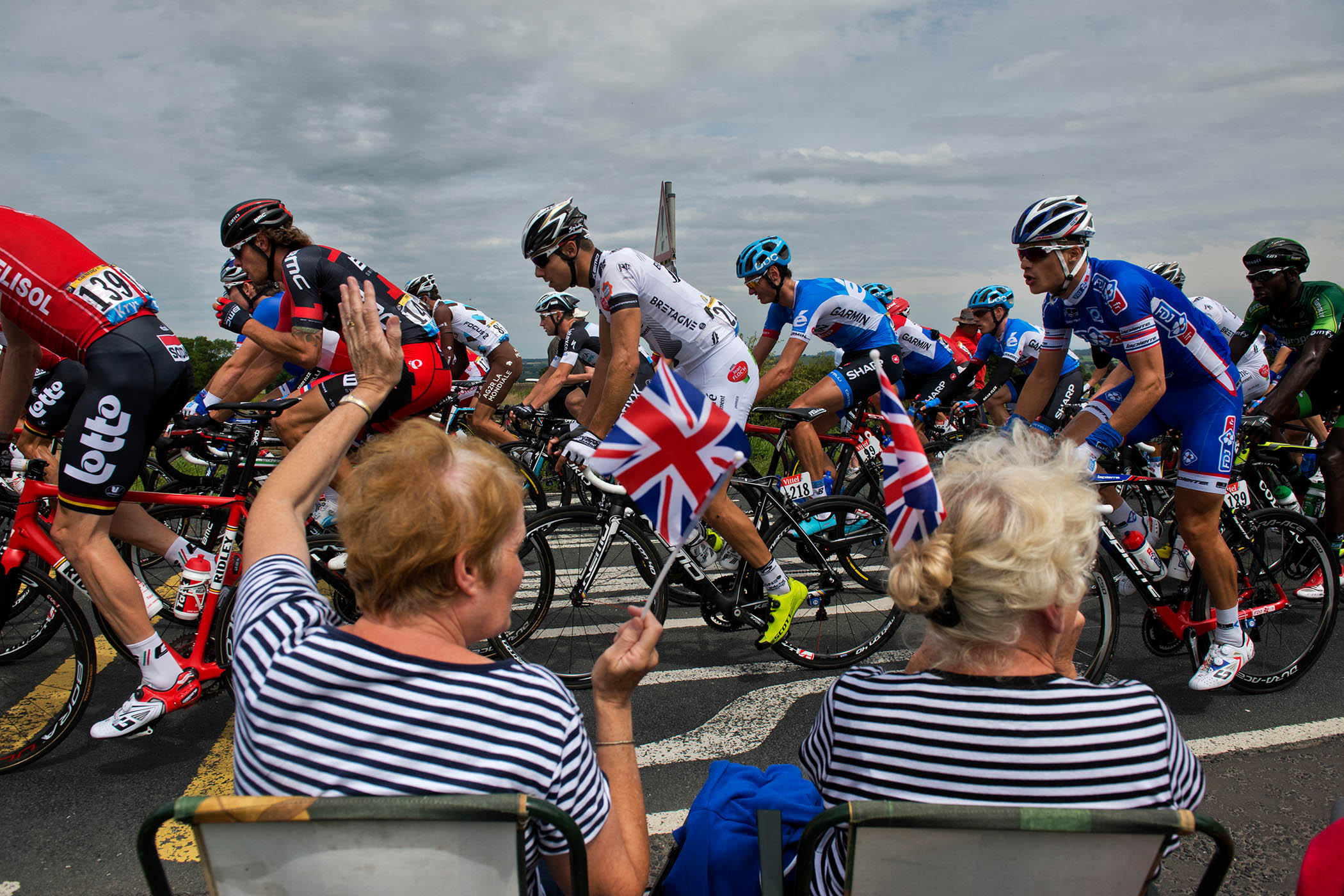

The last time the Tour de France came to Britain 12 years ago it brought millions of jubilant fans to the Yorkshire roadsides and tears to the eyes of race director Christian Prudhomme. It also celebrated an era of British success, through Team Sky’s serial dominance of Europe’s Grand Tours.
In the summer of 2027, the Tour will be back with an unprecedented project – perhaps the most ambitious in its long history – to stage the opening weekends of the men’s and women’s races in Scotland, Wales and England.
The bid for what has been called the “grandest of Grands Departs” was originally announced in former prime minister Rishi Sunak’s autumn budget in 2021, as part of a multi-million pound package that targeted hosting more world-class events in Britain.
At 2027 prices however, six days of Tour racing will cost the British taxpayer in the region of £30m.
The estimated original cost of £20m-plus for the visit has proved conservative, with the Scottish Government alone understood to have invested £9.25m in hosting its element of the men’s Grand Depart in Edinburgh.
Jon Dutton, the chief executive of British Cycling, expects 10 million people to watch the Tour and talked of the visit achieving lasting social change and combating obesity and inactivity. Others, meanwhile, pondered just how much Ozempic and Wegovy £30m could buy.
The costs of staging the Tour have spiralled. On home turf, several French mayors have balked at paying the high prices to host an event that some now consider to represent old-school French values. This explains the growing predilection for lucrative foreign Grands Departs.
The details of the six days of racing, three for the men in early July and three for the Tour de France Femmes a month later, were unveiled on Thursday in Leeds, with the climbs of the Scottish Borders, Lancashire, the Peak District and Wales set to play a key role.
It is the first time that both men’s and women’s races will start outside France and between them, the two pelotons will visit major cities such as Edinburgh, Liverpool, Manchester, Leeds, Sheffield, Cardiff and London. The project will also provide an unprecedented logistical challenge for the French race organisers, ASO. Hailed as a “three-nation innovation” by Prudhomme, it will be the most demanding Grands Departs in the Tour’s history.
Yet it is also testimony to the enduring allure of the Tour that the Scottish, English and Welsh governments are convinced that the return will far outweigh the investment.
Newsletters
Choose the newsletters you want to receive
View more
For information about how The Observer protects your data, read our Privacy Policy
The precedent is set by the hugely successful Grand Depart of 2014, based on Yorkshire, which drew an estimated four million people to the roadsides and fuelled £128m of economic benefit. That, however, was more than a decade ago, in the aftermath of London 2012 and the heyday of Team Sky, and of Tour winners Bradley Wiggins and Chris Froome.
The 2027 Grands Departs are seen as an opportunity to reboot road cycling in Britain, which has dipped significantly in popularity since the peak of 2014. Dutton described the six-day visit as “not a cycling moment, but a national moment”. One rider who won’t be racing in 2027 is Lancashire’s Simon Yates, winner of last year’s Giro d’Italia following a breathtaking mountain coup, who abruptly retired from cycling earlier this month.
Yates’s daring raid on the mighty Colle delle Finestre to claim the 2025 Giro title, on the penultimate day, was only marginally less jaw-dropping than the sudden nature of his unexpected retirement statement.
Yates, who said he had been thinking about retiring “for a long time”, had been present at the Visma-Lease a Bike team’s December training camp and was also pictured in 2026 team issue clothing.
As defending Giro champion, he also participated in the 2026 Giro’s recent route unveiling and, according to sources within his team, had agreed his schedule of racing for the coming year.
The Lancastrian had been widely expected to defend his Giro title in May, but rumours of internal wrangling and a loss of motivation have swirled since he retired on 7 January.
According to fellow professional Owain Doull, Yates had mentioned quitting the sport in the aftermath of his Giro win. “He said this ‘might be me done, it’s not going to get any better than this’,” Doull said.
But with the peloton’s top talent already signed up, Yates’s absence has left his team a man down, particularly in Grand Tours. Jonas Vingegaard, who will now step into the breach as their leader for this year’s Giro, described Yates’s abrupt departure as “a big loss”. “But I also have a lot of respect for his decision,” the double Tour de France champion said. “He lost his motivation and the sport is very hard to be in, very demanding.”
“Sometimes I’ve also been close to burning out. It’s tough with all the altitude camps and everything, I know his programme from last year, so I understand that it was hard for him.”
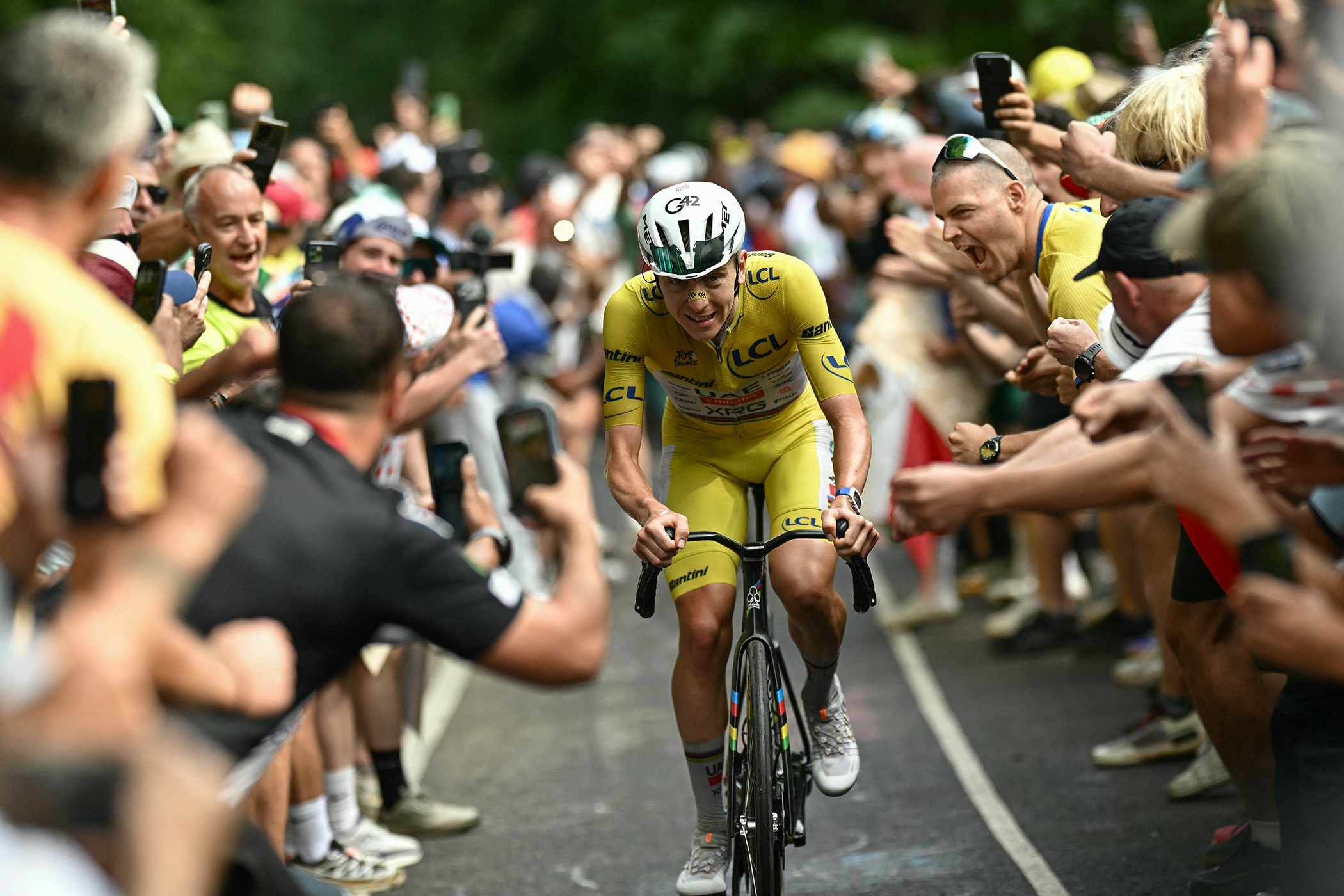
In a bid to complete a triple crown of Grand Tour wins, Vingegaard – winner of last year’s Vuelta a España – will now lead his team at the Giro. Tadej Pogačar, meanwhile, is focusing on a fifth Tour de France win.
The Dane will be relieved that his all-conquering Slovenian rival is not racing in Italy in May. “We all know Tadej will do it sooner or later, I guess,” he said of cycling’s grand slam. “It’s more about being able to win all three of them. It would be a dream for me, an incredible achievement.”
Photo by Jeff Pachoud/AFP via Getty Images