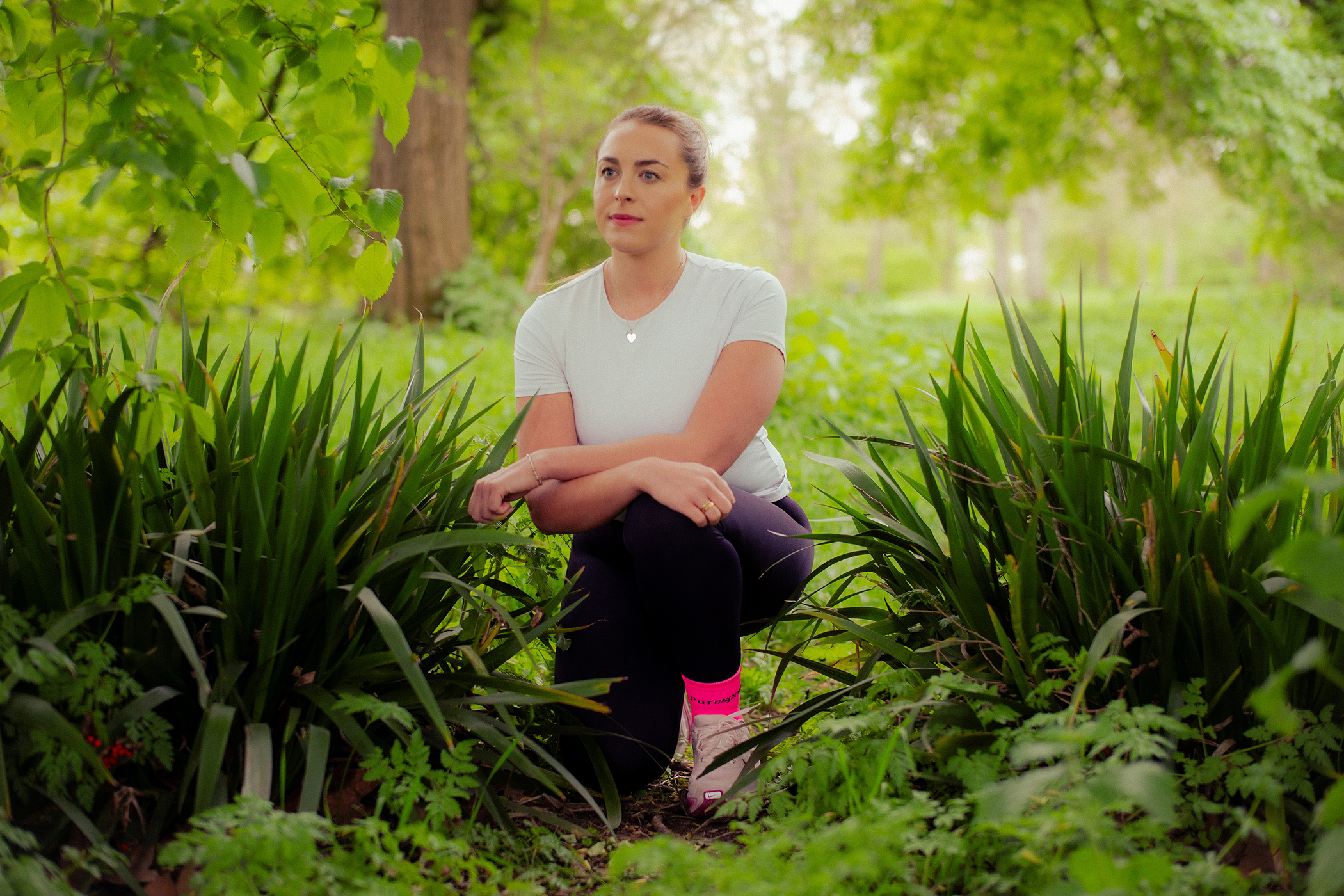

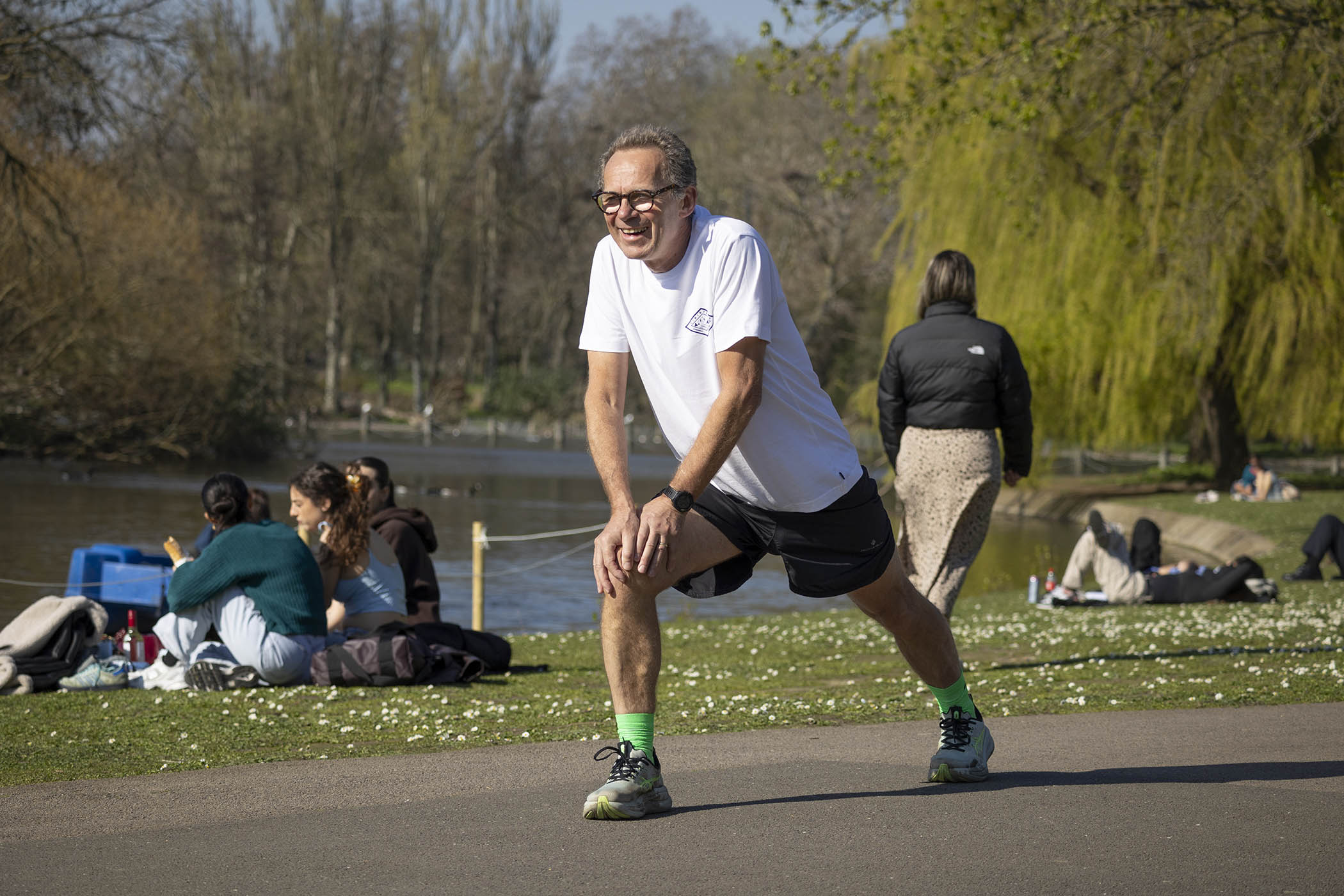
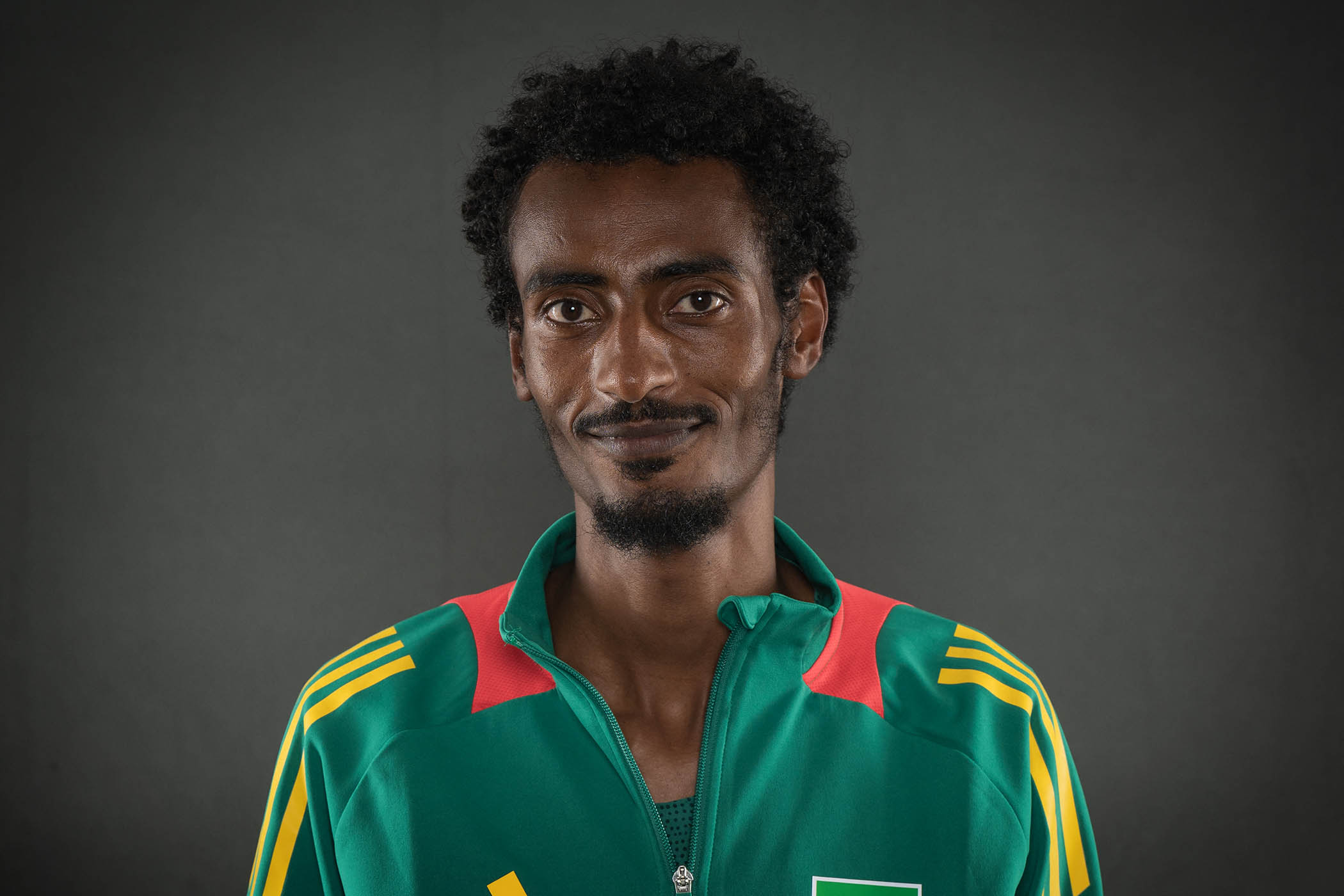
The difference between running a marathon and being a marathon runner is easy to spot. People in the latter group will never stop talking about their race times, they cancel social plans to run, and they are obsessed with Strava.
Last July I set myself the challenge to run the London Marathon as part of the former group. The only rules I set were: I had to follow a plan; I couldn’t cancel social plans for running; I wouldn’t download Strava. In short, I safeguarded myself from falling down the slippery slope of making marathon training my entire personality.
Like many women my age, I have wasted too much time on dates with men who tell me, unsolicited, about the marathon they are training for. I’ve nodded when they mention “tapering” and even forced a “wow” when they swipe through the album of identical-looking marathon photos on their phones. The detail they go into (I’ve heard about lost toenails before I’ve found out what they do for work) and the effort they put into running is rarely matched in trying to improve other areas of their life, like conversation skills.
Countless times I’ve answered the question “do you run?”with a clearly disappointing “no”. In my mind, maybe unfairly, these dates morph into one homogeneous man: the Marathon Man. There have rarely been second dates.
The only worse type of man, I say half in jest, is a man who recently discovered padel. There’s an evening you will never get back.
Talking about marathons is like telling people about your dreams: dull for your audience unless they are in them. There are viral videos of women who have been stung one too many times by marathon chat so now refuse to date men who have running photos on their dating profiles.
I wouldn’t go that far. Running is incredible for mental health and running groups provide men and women with a place to make friends through a healthy activity. I think anybody who signs up for a marathon should be applauded, even more so if they are running it for charity. There’s something to be said for anybody who will put themselves through a gruelling training regime to achieve a goal.
I just wish I didn’t have to hear about it so much.
Here is what I have learnt since July: running is a cult, and I regret to say that not only have I drunk the Kool-Aid, I’m about to pour you a glass. When you get fit enough to be able to run without your thoughts being consumed by the pain in your lungs, you reach a meditative state that people who drink shandy call “runner’s high”. It’s just one foot in front of the other, you against the pavement with no distractions, for hours at a time.
Newsletters
Choose the newsletters you want to receive
View more
For information about how The Observer protects your data, read our Privacy Policy
That meditation, the ability to switch off and work through your emotions, has been so important for me.
Without sharing too many details, in late 2024 I went through a traumatic experience that changed my life. Running has a knack of making you reflect on things in a way little else can. It’s when I’m running that I’ve been able to unlock trauma-blocked memories and process them in a cathartic way. Training for the marathon has felt like the embodiment of overcoming that pain, so running has become a form of therapy for me.
There are many similarities between emotional pain and the physical pain I now subject myself to, so here are some of the thoughts I’ve had while marathon training that I now apply to my life: no matter how many people are around to support you, the work can only be done by you; it gets easier the more you work on it; listening to music makes everything better.
In that way, it was inevitable that running would become an important part of my life. It’s not about the running, for me, it’s about proving to myself that I can do hard things. It can threaten to take over your life, tempt you to cancel social plans to run 19km, force you to spend a small fortune on energy gels and blister plasters, and, unfortunately, make you want to talk about it.
Somewhere along the way of those late-night runs, something shifted. I haven’t become the person who insists on showing you their race times and I have never said no to a beer because I need to run. But it has, undeniably, become something I love. Maybe that’s the part I never understood when I sat across the table from Marathon Man. It’s not really about the race, or the medal, it’s about having something that steadies you, something that proves that you can keep going.
I started my training to prove I could run a marathon without becoming someone who runs marathons. I thought I could file the experience away as a one-off, that I would go back to being someone who doesn’t run, and who doesn’t talk about running. But that version of me doesn’t quite exist any more. I have found a tool that has helped me heal and has undoubtedly made me stronger as a result.
So, thank you, Marathon Man. Maybe those evenings weren’t wasted after all.
Photography by Charlie Forgham-Bailey for The Observer