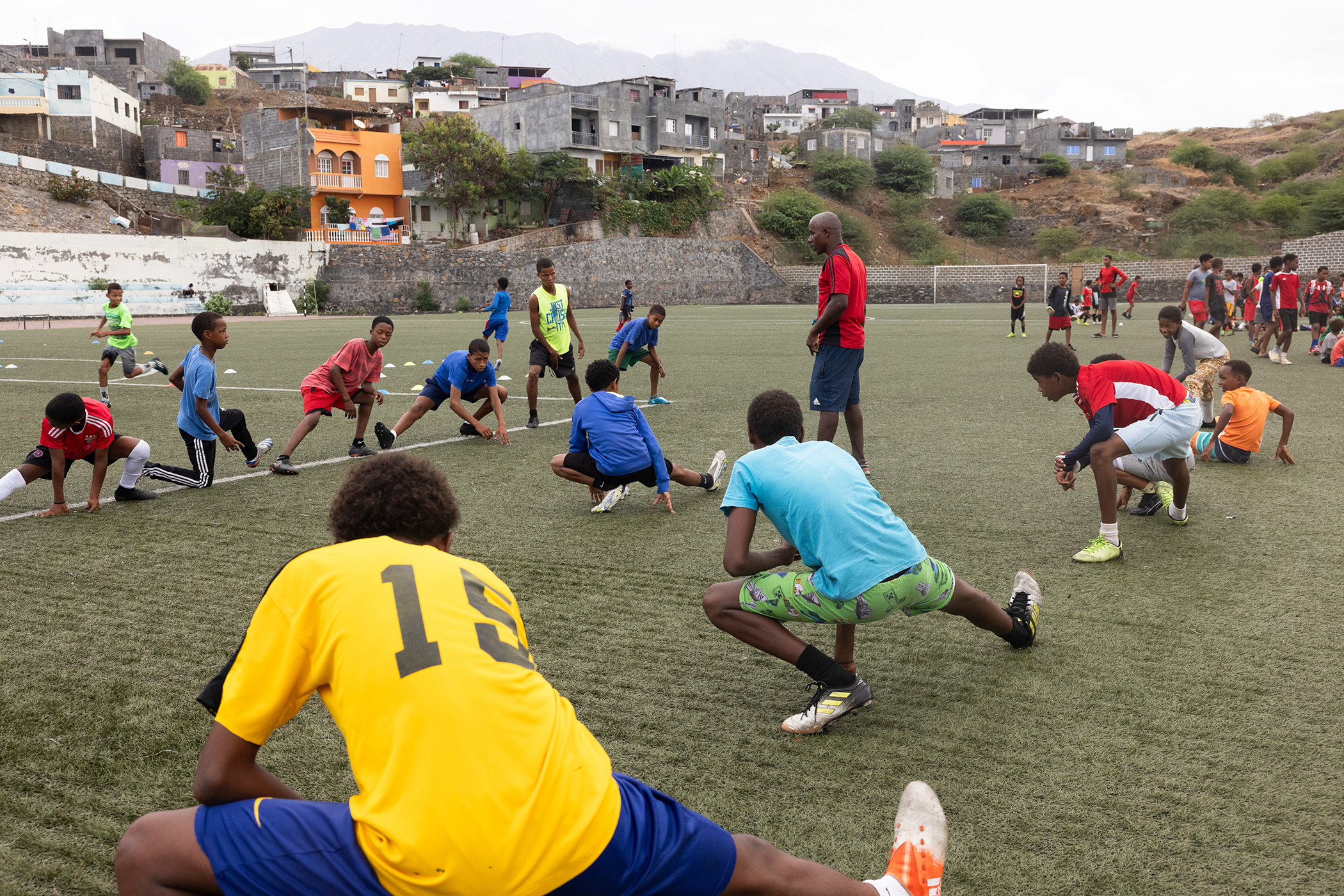



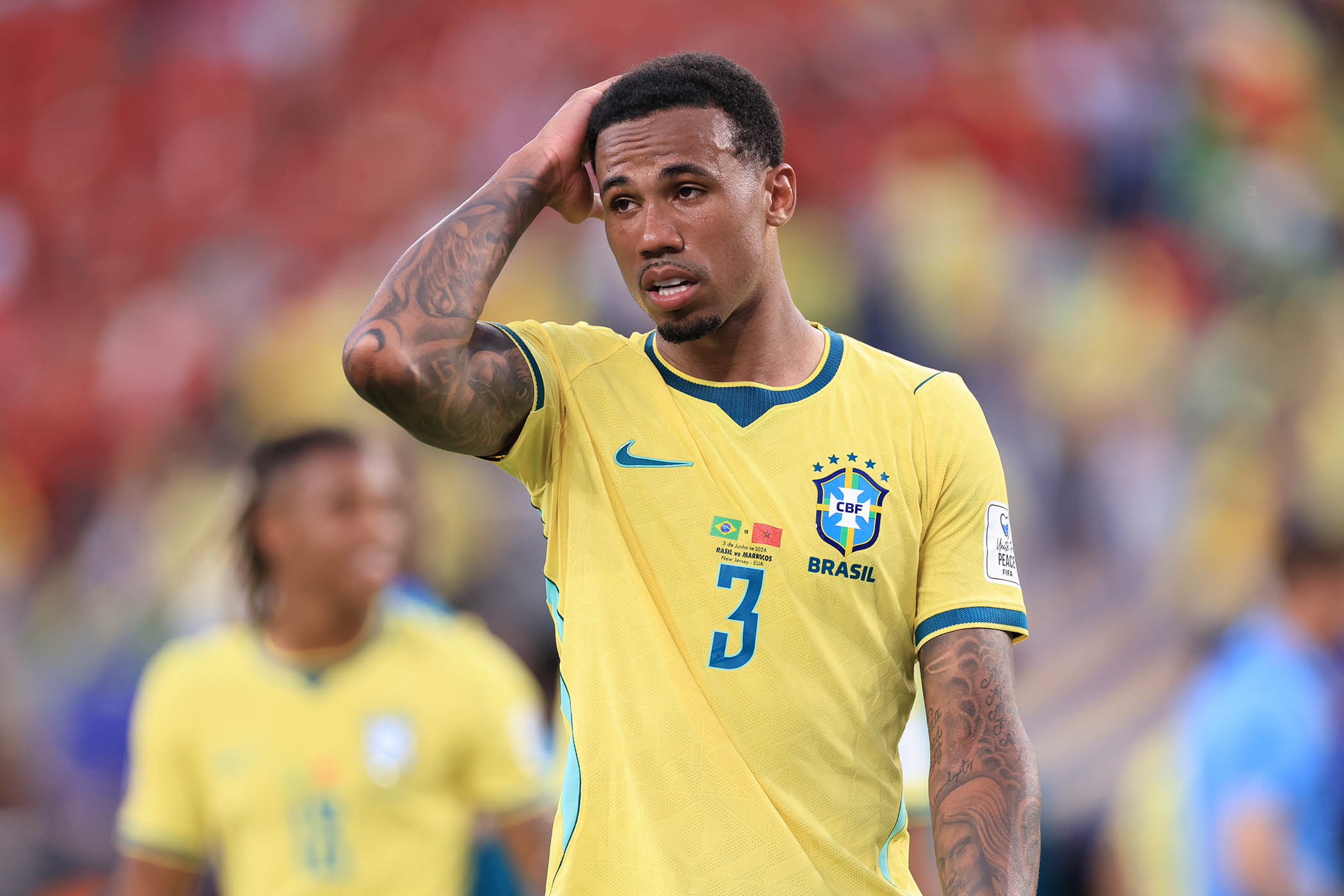
On a strictly technical level, Cape Verde’s presence at the 2026 World Cup is not a consequence of the tournament’s enforced and not entirely popular expansion. The archipelago, in the Atlantic Ocean west of Senegal, qualified by coming top of their group. They won seven of their 10 games, finishing ahead of Cameroon, Libya and Angola. They did not require a runner’s-up slot. They did not need the playoffs.
The country’s players, though, tell a different story: one in which the opportunity that was created by increasing Africa’s footprint at the tournament changed the psychological challenge of trying to reach the finals for the first time in their history. The shift to 48 teams meant that qualification – previously a scramble for one of just five spots – felt possible for the first time.
The impact of that is clear. Of all the teams in North America this summer, only Curaçao has a smaller population than the 525,000 who live on the group of islands that make up Cape Verde. The country’s football authorities have spent years making a concerted attempt to level the playing field by finding players in the diaspora community.
That has not made the slightest difference to what it has meant to those who remain to contemplate seeing the Blue Sharks at the World Cup. Qualification was celebrated wildly in Praia when it was confirmed with a 3-0 victory against Eswatini last year; the islands will grind to a halt when the team kicks off its first game against Spain in Atlanta on Monday.
The photographer Jonathan Browning travelled to the islands last year to document the country’s relationship with the game. As his work shows, Cape Verde is not a place that will fall in love with the game as a consequence of seeing its national team at the World Cup. That is not a battle that needs to be fought.
Instead, however long the country remains in North America this summer, their very presence acts both as affirmation and connection, proof that the game they love can carry players from the middle of the ocean to a place among the world’s superpowers: if this generation can do it, then why not the next?
Newsletters
Choose the newsletters you want to receive
View more
For information about how The Observer protects your data, read our Privacy Policy
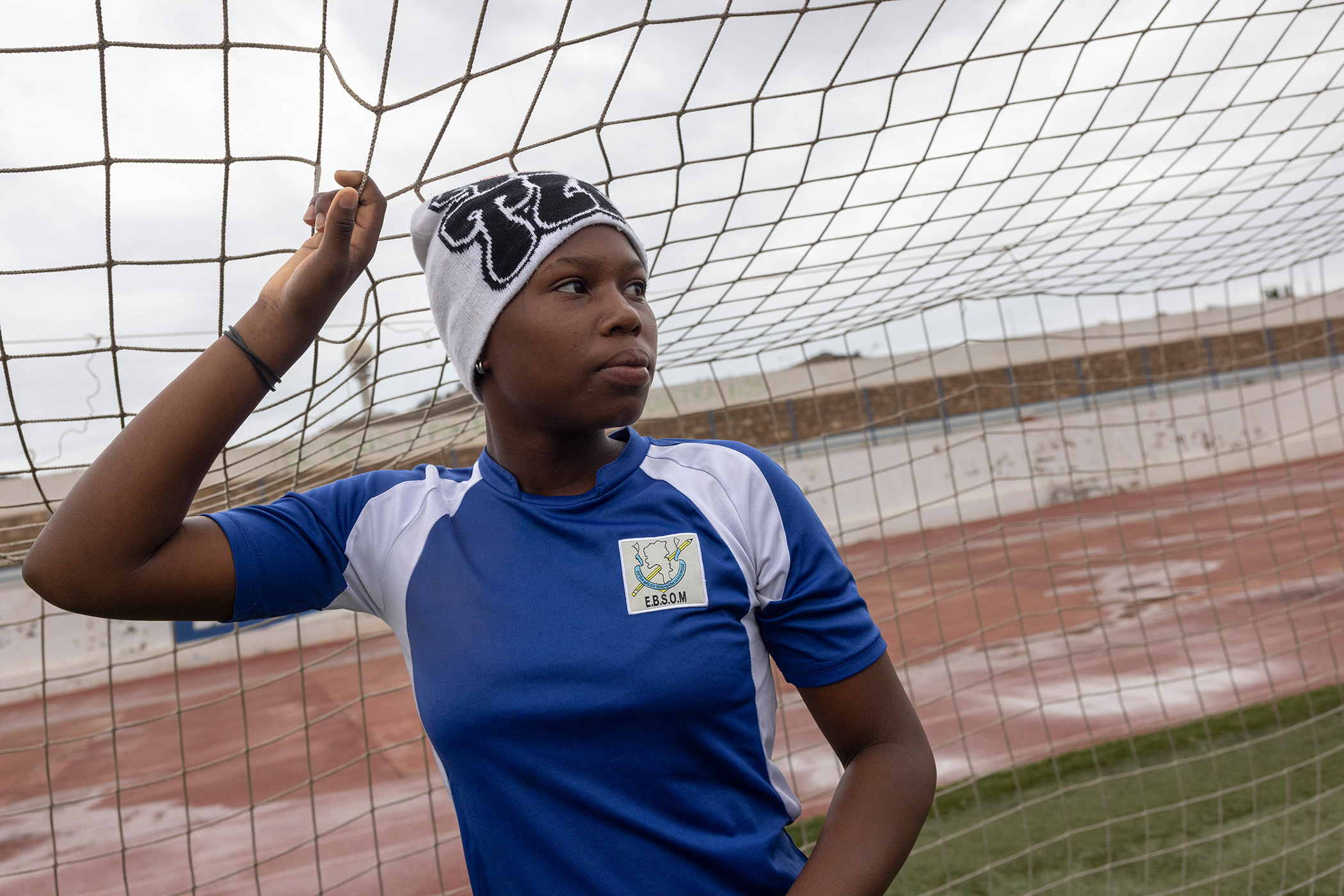
Net asset: a boy takes a breather during a game at Espargos, Sal island.
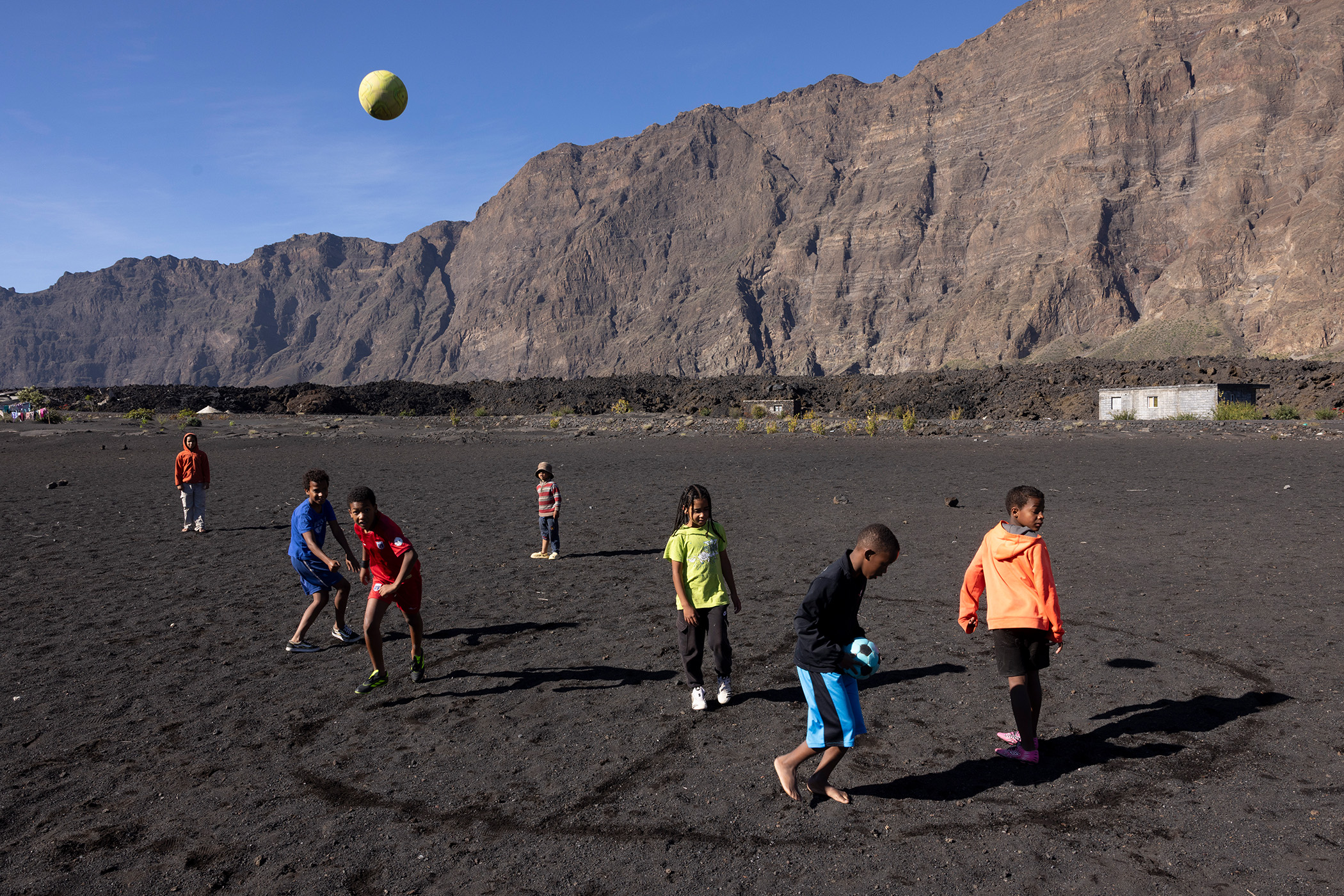
High hopes: children enjoy themselves on a pitch made from volcanic stone.
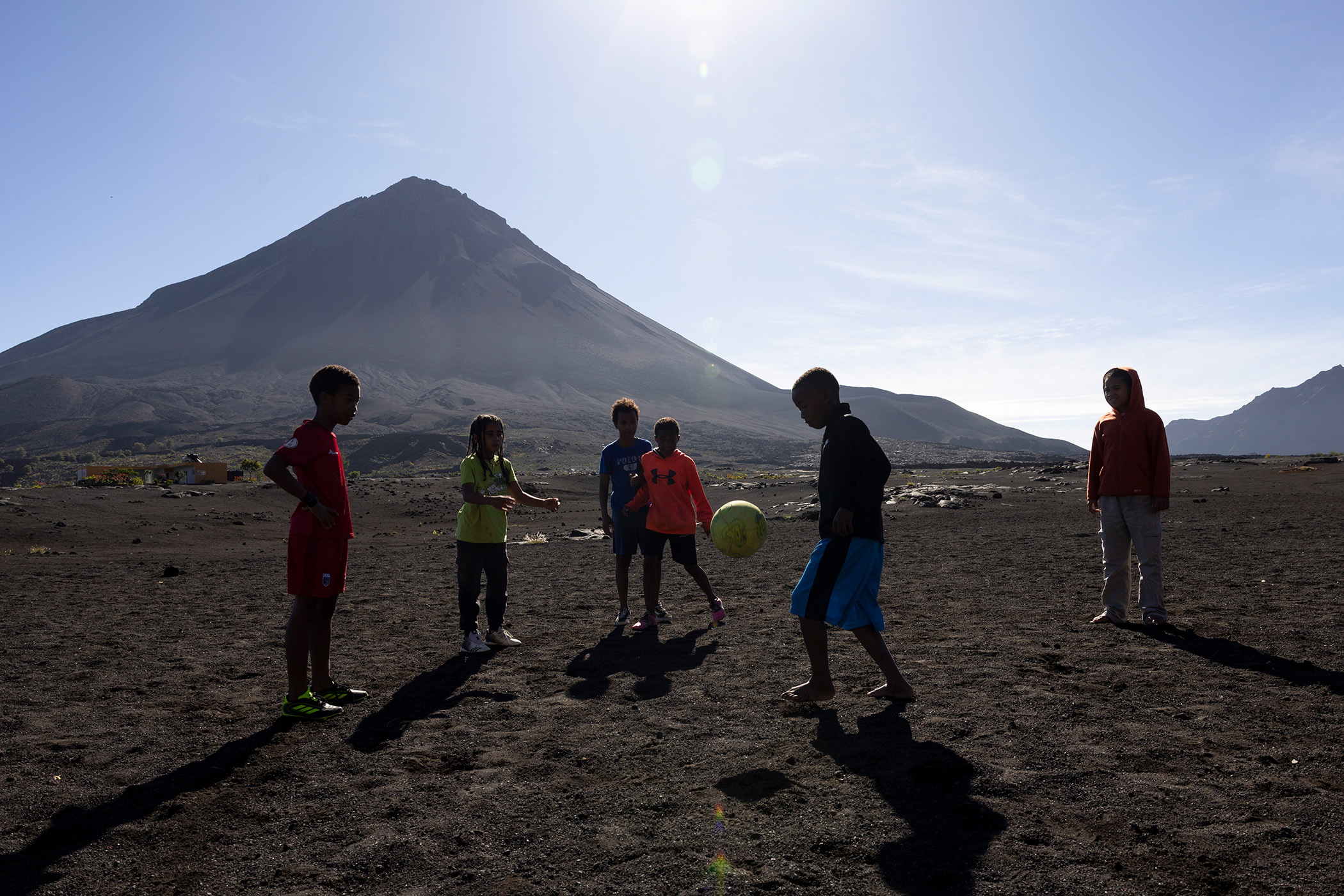
Keeping up: ball skills on show near an active volcano in Fogo.
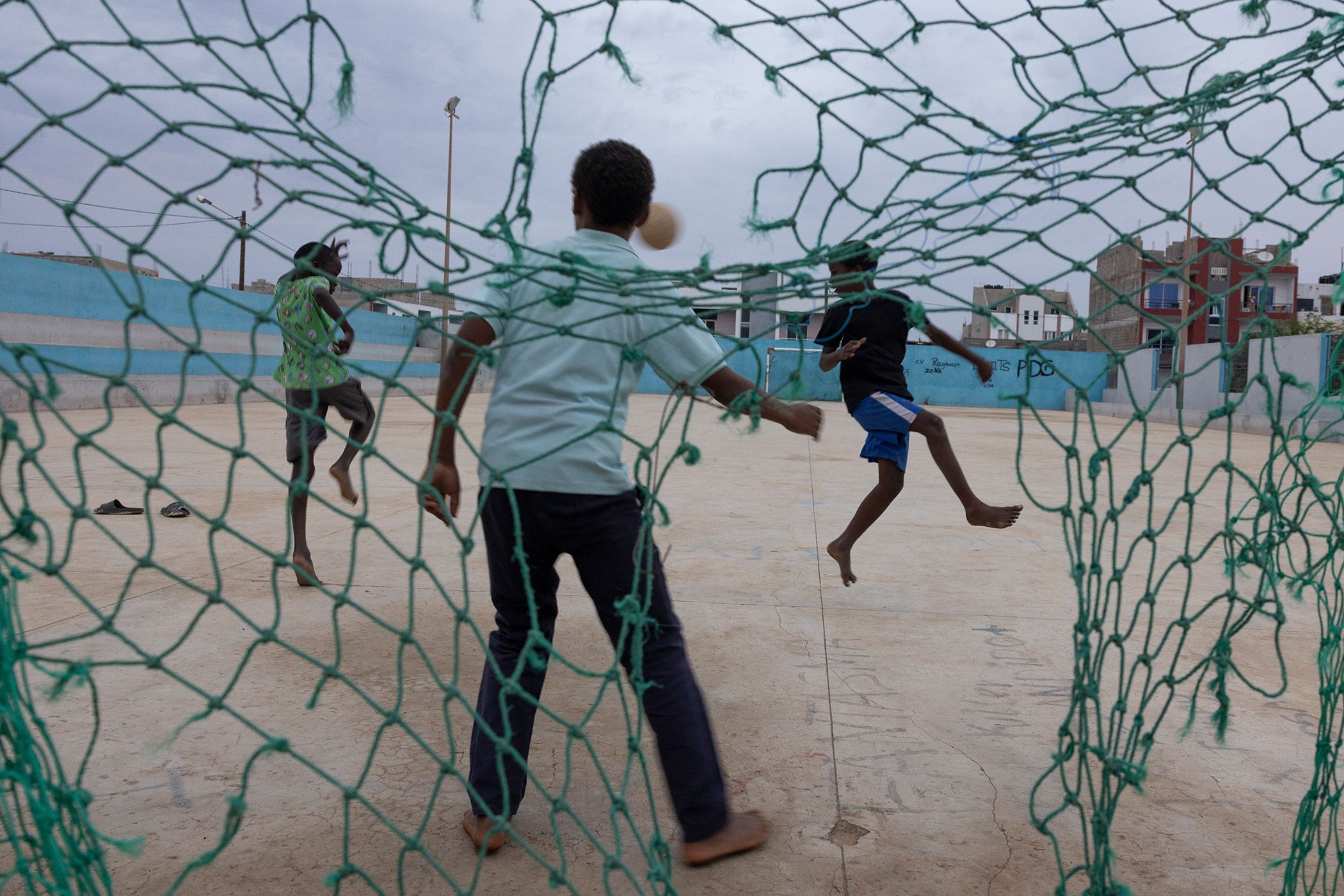
Back to basics: children go barefoot in Espargos.
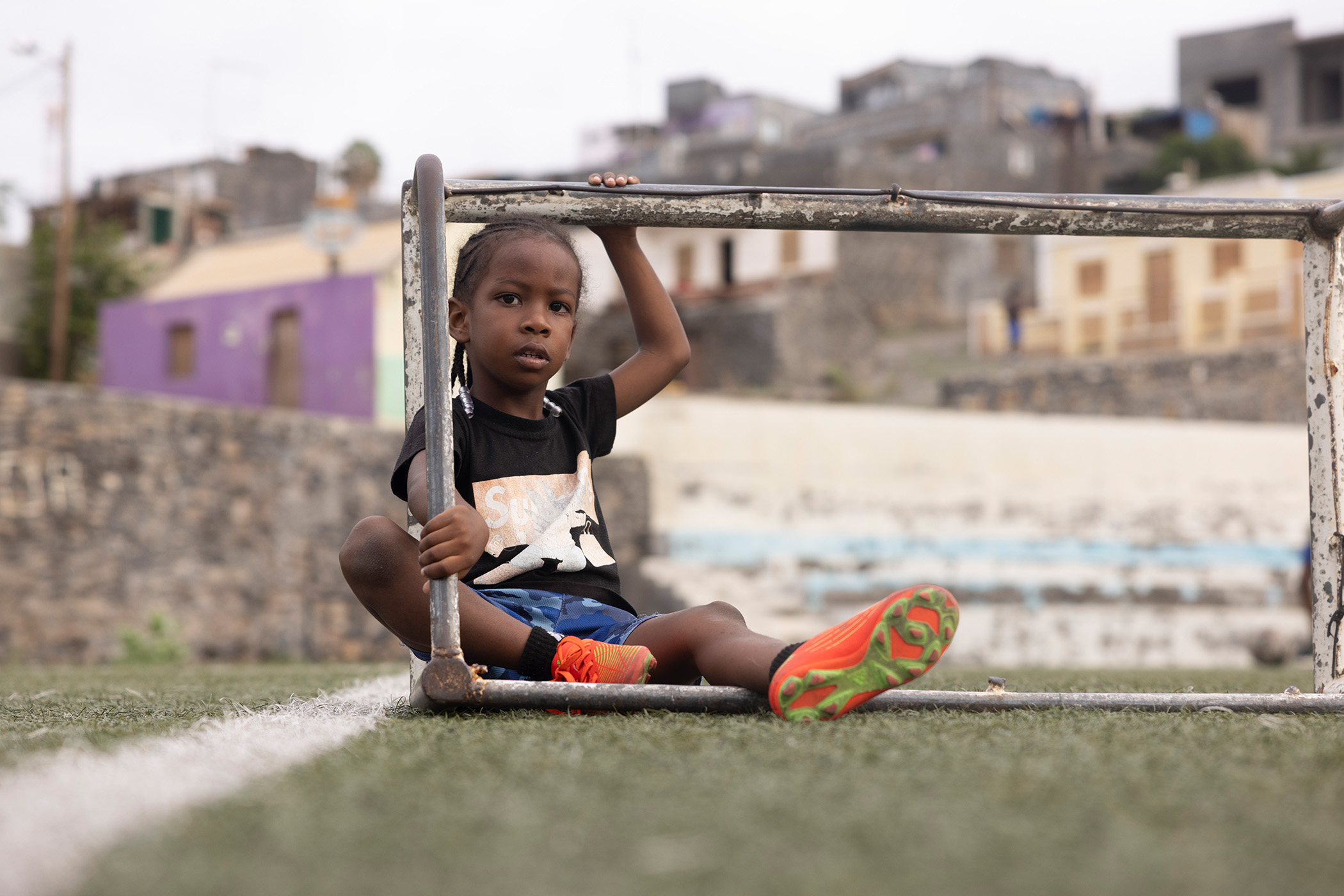
Starting young: football practice is popular in Sāo Filipe.
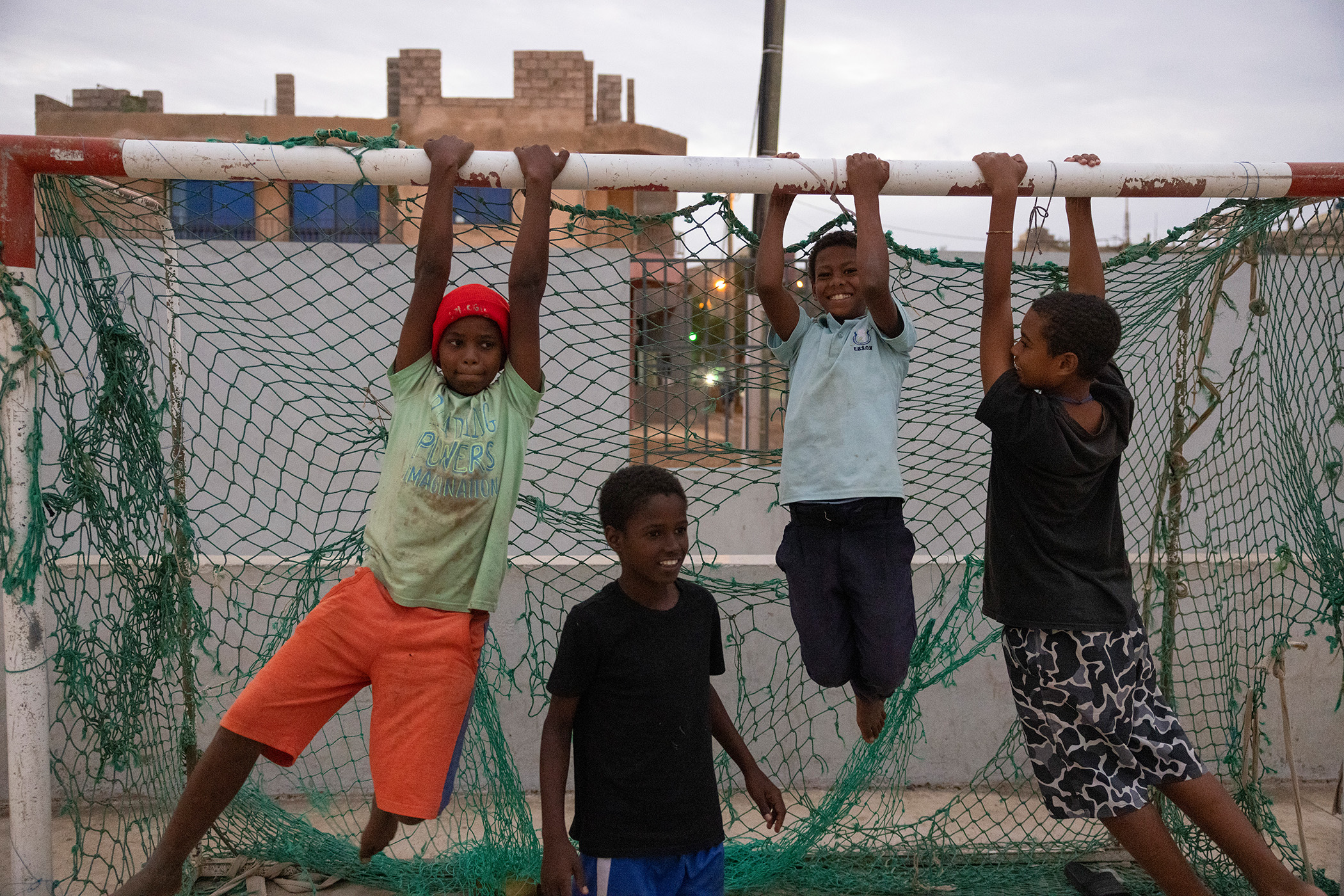
Hanging out: a concrete pitch attracts keen players in Espargos.