
Manchester United cannot, we can say with some certainty, break the pattern. It does not matter who is running the club, who is making the decisions, what problems they are trying to solve. The draw seems just too strong to resist. The instinct, whenever the present is not living up to expectations, is always the same: to retreat, again and again and again, into the nostalgic, opioid bliss of the past.
When David Moyes ran out of road, it was Ryan Giggs who stepped in to see out the season. When José Mourinho self-immolated, United called for Ole-Gunnar Solskjær. He, in turn, would be replaced by Michael Carrick. When Erik Ten Hag could no longer cling on, they summoned Ruud van Nistelrooy. The lingering association with Alex Ferguson, with the good times, brought comfort, reassurance, relief.
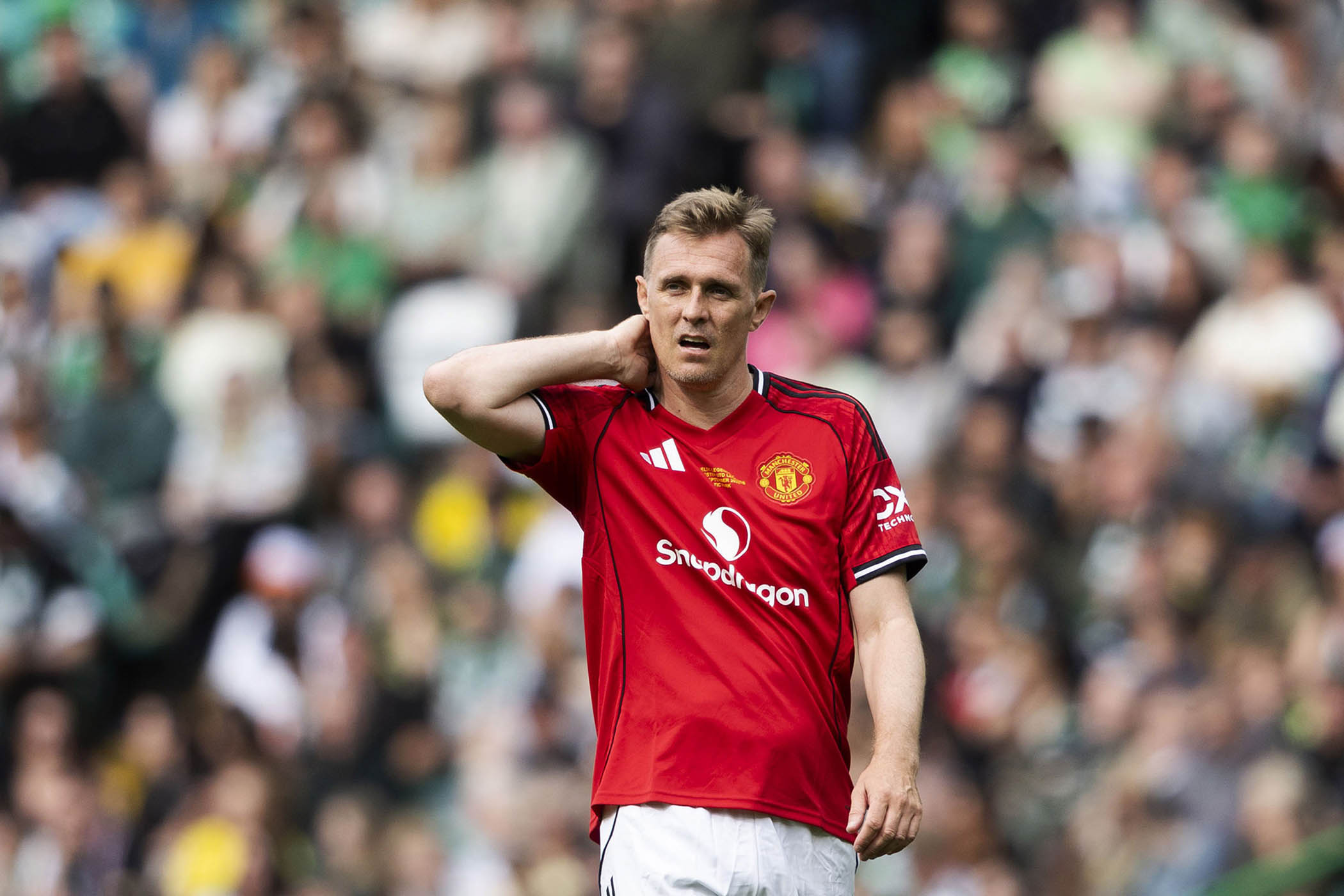
And now – getting on for 13 years after Ferguson stepped down – United have gone back once more, drawn from that ever-bubbling wellspring. The WhatsApp group that contains the club’s former players is, in the words of Rio Ferdinand, “popping off” at the news that Darren Fletcher has been asked to take charge after the dismissal of Ruben Amorim, the fifth Ferguson alumnus to do so.
The Scot is a perfectly sensible interim appointment. He returned to United a little more than five years ago, and has had a variety of roles at the club since, most recently as coach of the under-18 team. He is well-regarded, personable, bright. His occasional forays into punditry have made it clear that he is an astute observer of the game.
It is just a touch unfortunate that two of his children are currently part of United’s squad, which does sort of make it feel like the club – having run out of actual volunteers to be manager – have been forced to follow the lead of thousands of grassroots sides and draft in one of the Dads to do it. Fletcher will certainly be in charge for the trip to Burnley on Wednesday. There is a reasonable chance he will be in place until the summer, when a more permanent appointment, possibly either Thomas Tuchel or Oliver Glasner, will be made.
His task is, for the most part, not vastly different to the one Solskjær or van Nistelrooy or any of the others were asked to perform: not just to try to improve results sufficiently to secure a place in the Champions League, but to enthuse a demoralised, disenchanted and increasingly disengaged fanbase. That has always been the old boys’ appeal, of course: that sense that they can make the club feel like itself again.
What is unusual, perhaps, are the circumstances in which Fletcher takes possession. Just as with Chelsea’s decision to fire Enzo Maresca on New Year’s Day, Amorim’s demise feels at once sudden and entirely unsurprising. The Portuguese could have been fired on basically any day since this time last year and the decision would not have been a shock; that it should come now, though, still feels somehow puzzling.
That it has done so, it would appear, is less to do with anything that has happened on the pitch and more – like Maresca – rooted in problems off it. Neither results nor performances have been consistently convincing at any point in Amorim’s tenure; he has spent almost all of his reign either in or adjacent to a state of crisis.
Amorim created the impression that he was not finding managing the club an especially enjoyable experience.
Amorim created the impression that he was not finding managing the club an especially enjoyable experience.
Still, these last few weeks have hardly been his nadir. There are plenty of contenders for that title: the point, last January, when he declared that his team was the worst in United’s history, for one; the defeat to Grimsby in the Carabao Cup, for another; the press conference in which he said that he “sometimes” felt like quitting and occasionally “hated” his players would be a third, but there are more.
At the start of 2026, though, Amorim’s side had lost just twice since September. Draws at home to Wolves and away at Leeds in the last few days had been disappointing, but they came with significant mitigating circumstances: United were missing Bruno Fernandes, Bryan Mbeumo and Amad Diallo, three of their four best attacking players, for both of those fixtures. Amorim had taken the team to sixth place in the table, shy of what is likely to be the last Champions League spot on goal difference.
He could, in other words, legitimately claim to have done roughly what he was appointed to do. He had taken over at Old Trafford with the team in 15th place and a mess. He had been asked to restore them to European qualification in his first full season. He was, more or less, on course to do that.
The decision to dismiss him now might have been justified if it had been based not on results but performances. United beat Newcastle on Boxing Day, for example, but did so in a fashion that Old Trafford found intolerable. Most of the second half took place around the hosts’ penalty area; facing a team that has spent much of the season in mid-table, Manchester United’s fans found themselves groaning at the prospect of seven minutes’ added time, so unconvinced were they that their team might hold on to a lead.
But that was not, it appears, the cause. Instead, Amorim – again, like Maresca – effectively lost an internal power struggle. Throughout his time in England, the 40-year-old seemed to adopt a policy of radical honesty. He said, at all times, exactly what he thought. Frequently, he created the impression that he was not finding managing Manchester United an especially enjoyable experience.
It is quite fitting, then, that he used his final public appearance in his post to make public a rupture behind the scenes. Various reports have suggested that Amorim and Jason Wilcox, United’s sporting director, had a disagreement before the trip to Leeds over both tactics and recruitment. Amorim felt he was not being supported in the transfer market; Wilcox felt that Amorim might want to change his system to suit his resources. The dispute apparently laid bare fissures sufficiently deep that the club felt the die was cast.
Since taking charge of the sporting operations of the club, Jim Ratcliffe has made three big decisions. He gave Ten Hag a new contract. He made Dan Ashworth sporting director. And he appointed Amorim – despite Ashworth’s reservations – and proceeded to offer him unwavering support for many months, before (presumably) acceding to his dismissal.
It is not a great track record. And it leaves Manchester United where they seem to be so often, where they have been at least five times in the last decade or so: right back at the beginning, starting again, hoping that a familiar face from the past might bring some happy memories, some fleeting comfort, while what was once the biggest club in the world tries to work out where it wants to go again.
Photograph by Craig Foy/SNS Group via Getty Images
Newsletters
Choose the newsletters you want to receive
View more
For information about how The Observer protects your data, read our Privacy Policy