
When George Hincapie rode his first Paris-Roubaix, back in 1994, he was a wide-eyed debutant. In a particularly torrid edition of the cobbled Classic, known as the “Hell of the North”, the American rode through icy rain and freezing blizzards to finish in 31st place.
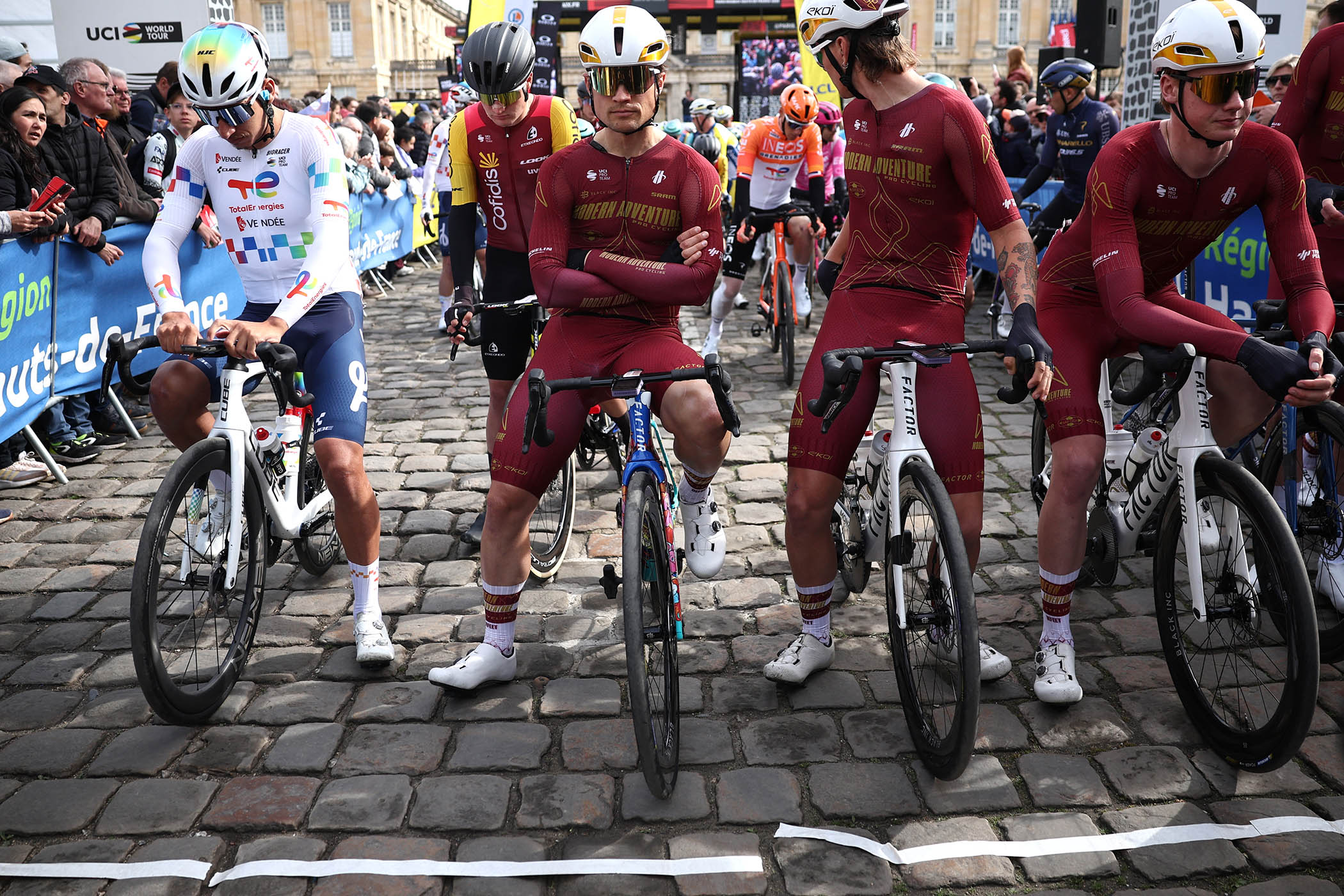
This weekend, Hincapie makes a return to Roubaix, as founder and mentor of the fledgling Modern Adventure Pro Cycling team, populated largely by the kind of young ambitious rider he once was.
The invitation to race in Paris-Roubaix came from Tour de France promoters ASO and Hincapie’s team is also targeting the Tour itself in the next few years.
After his own debut on the cobbles, Hincapie went on to bigger things – and greater infamy – riding shotgun to Lance Armstrong throughout his serial Tour de France wins.
Subsequently the New Yorker was one of those to sign a sworn affidavit, revealing his and Armstrong’s years of doping, to the US Anti-Doping Agency (USADA).
Hincapie confirmed that he had used both EPO and human growth hormone during his career and also, like Armstrong, worked with Italian doctor Michele Ferrari, now banned for life, to manipulate his blood.
You might think, given the damage that he, Armstrong and others did to cycling, that Hincapie might now be persona non grata at any Tour de France-owned event. Yet the invitation by ASO to bring his team to their races embodies cycling’s ongoing capacity to sweep the past under the carpet.
The Modern Adventure team’s website describes Hincapie as knowing how to build “trust, resilience and results”, and adds that he’s “giving back to the sport by mentoring the next generation.”
The team’s performance director is another American, Bobby Julich, who, in keeping with Dave Brailsford’s “zero tolerance” policy, left his coaching role with Team Sky in October 2012, after confessing to past doping.
Modern Adventure, the travel company funding Hincapie’s team, talks of building on “purpose, integrity and a bold dream to reach the Tour de France”.
Newsletters
Choose the newsletters you want to receive
View more
For information about how The Observer protects your data, read our Privacy Policy
Hincapie is also a co-host on Armstrong’s successful cycling podcast, The Move, which reaches its peak audience during each year's Tour de France.
When Hincapie’s team was first launched, Armstrong’s podcast name featured on the kit. After controversy ensued, the logo was hastily removed.
“Lance is not involved,” Hincapie said last autumn. That might also be because Armstrong is busy reframing his past elsewhere.
A new biopic of Armstrong, starring Austin Butler and directed by Edward Berger, is entering production. Armstrong has signed off his life rights for the film, which is described as combining the characteristics of Raging Bull and The Wolf of Wall Street.
While there is no doubt that Armstrong’s journey, from damaged teen prodigy to Machiavellian superstar, has passed into sporting folklore, his rehabilitation is controversial, even if within cycling he remains highly influential.
If his earlier interviews, in the aftermath of his confession to Oprah Winfrey, were relentlessly critical of world sports governing bodies, his brand rebuild has moved on to become a huge success, an achievement fuelled by the growing disenchantment with the floundering anti-doping movement.
The Move, while successful, has also been characterised as a support group for those, such as Hincapie and former team manager Johan Bruyneel, nursing their egos after the damage to their reputations after USADA’s Reasoned Decision.
But Armstrong is the main draw, while co-hosts Hincapie and Bruyneel offer their insights on events within the peloton. All three are expert and knowledgeable, but nobody ever mentions doping.
A defiant Bruyneel has recently been in evidence at major races, including within accredited zones at the 2025 Tour de France, thus flouting his lifetime ban from any connection with cycling. The Belgian’s appearance at last year’s Tour drew a public rebuke from the UCI, but his accreditation would have been approved by ASO.
But then the Tour wants to win back its Stateside audience. When Armstrong was toppled, ASO took a huge hit, losing American revenues from TV rights and marketing. Meanwhile, the need for ASO to grow income has recently gathered urgency due to the conflict in the Middle East.
ASO’s events in Oman and Saudi Arabia now face uncertain futures as the crisis in Iran continues. Reopening the door to American audiences by allowing Hincapie’s developing team a place in their races will help mitigate that threat.
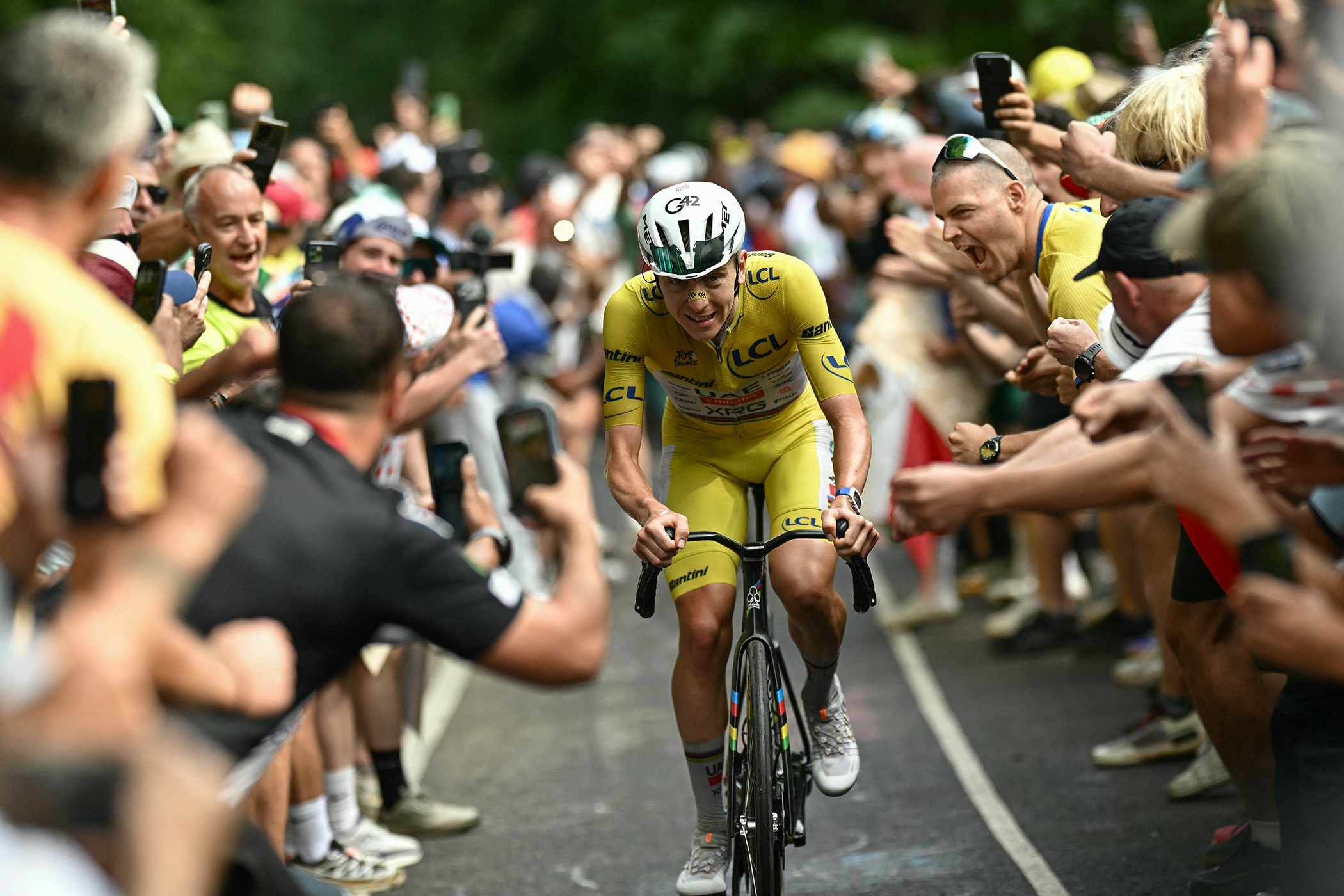
On Sunday, as Hincapie turns away from his past and faces forward with Modern Adventure, Tadej Pogačar will be seeking to add Paris-Roubaix to his serial wins this spring.
In an extraordinary run, the Slovenian has already won Strade Bianche, Milano-Sanremo and the Tour of Flanders. He will start on Sunday as the clear favourite to take a first win the Hell of the North.
Meanwhile, a thread connecting Hincapie’s past to Pogacar’s present, surfaced earlier this spring when it became public knowledge that Jose “Pepe” Martí, a coach banned for 15 years due to his role in the Armstrong scandal, had been in contact with the family of Marc Soler, one of Pogačar’s key team-mates.
Documents from Spanish anti-doping investigators revealed that Martí, prohibited from working with athletes in any sport and against whom both the US Anti-Doping Agency and the World Anti-Doping Agency sought a lifetime ban, had been in close contact with Soler’s father, Jaume.
Meanwhile, Hincapie and Armstrong, seemingly forgiven by cycling’s powerbrokers, are moving stealthily back towards centre stage. Over in Augusta, there are those who wonder if professional golf will ever escape the shadow of Tiger Woods: back in Europe, many in cycling feel the same way about Armstrong.
Photograph by Anne-Christine POUJOULAT / AFP via Getty Images