
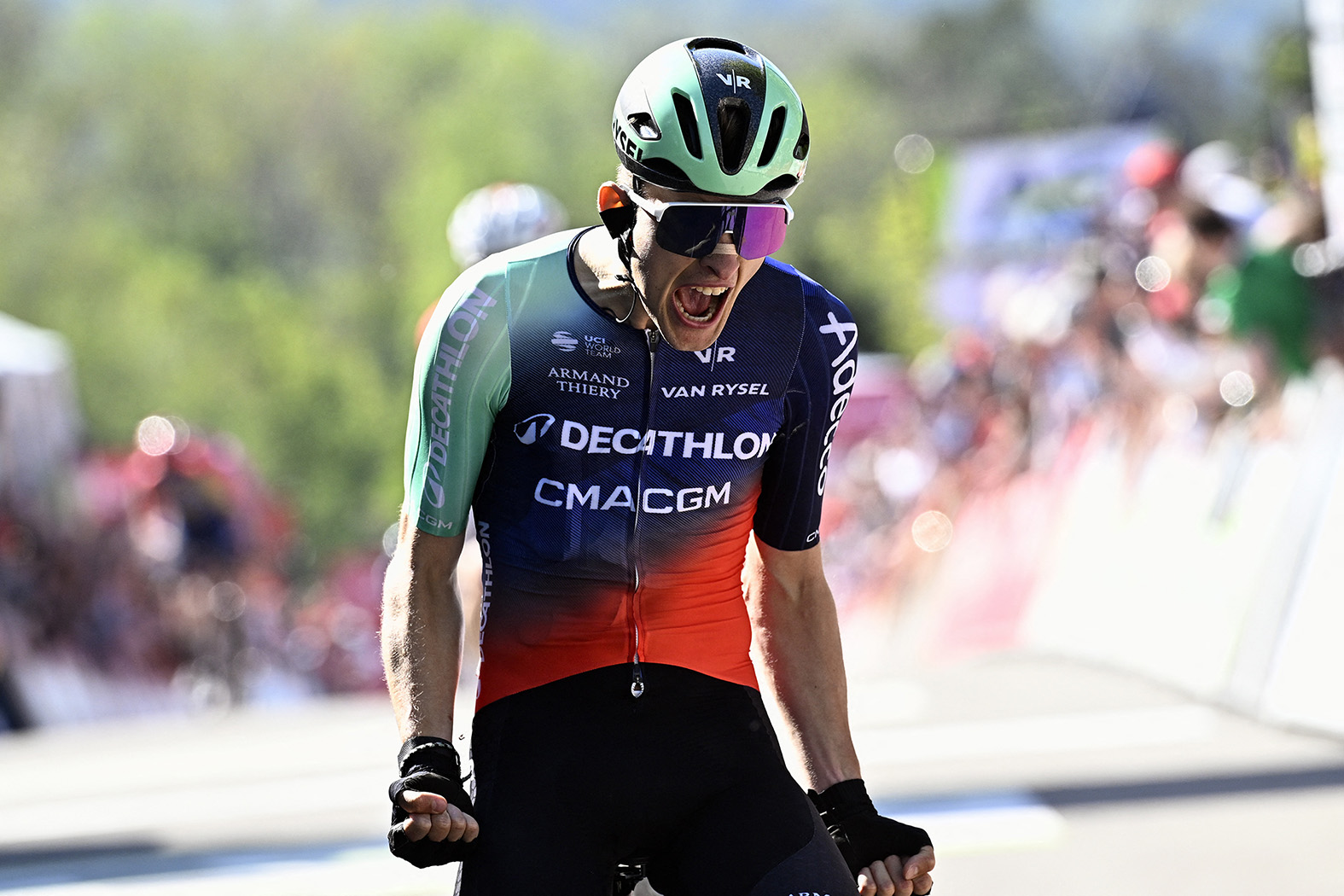
When Jonas Vingegaard crashed while racing in the Basque country in April 2024, he nearly lost his life. The Danish rider, a double winner of the Tour de France, was taken to intensive care with broken ribs, sternum and collarbone, and a punctured lung.
“I really believed I was going to die,” he said in the aftermath. “I feel like I’ve spent the last two years fighting my way back.”
Vingegaard competes in this year’s Giro d’Italia, which started in Bulgaria on Friday, as the favourite. That is partly down to his recent career resurrection, in which he won last autumn’s Vuelta a Espana and this spring’s prestigious French race, Paris-Nice.
Despite his resurgence, there is no doubt that the crash changed Vingegaard’s career. The Dane now exists in the shadow of the all-conquering Tadej Pogacar, who has chosen to skip the Giro, in order to focus on winning a record-equalling fifth Tour de France in July.
Safety in races, on the open road, through mountain ranges and busy towns, is now the biggest issue in the sport. Professional bike racing, due to increasing speeds, a lack of protection for the participants and the volatility of racing, has become even more dangerous than F1 racing.
Stage races, such as the Giro, traditionally raced through small towns and over multiple climbs and descents, are a health and safety nightmare. Yet there remains a school of thinking that because cycling is inherently dangerous, the occasional tragedy is inevitable. Crashing is indeed part of the sport, but that does not mean that regular fatalities have to be accepted.
Tom Pidcock is another of those recovering from the trauma of a terrifying crash, after he fell through space after missing a bend during the Volta a Catalunya.
The Olympic mountain biking champion realised that he was “flying down the mountain into God knows what,” and admitted he was “very lucky” to escape with relatively minor injuries.
“I count my lucky stars it wasn’t worse,” he said. “Luckily I had my radio so they could find me, as no one knew I’d crashed.”
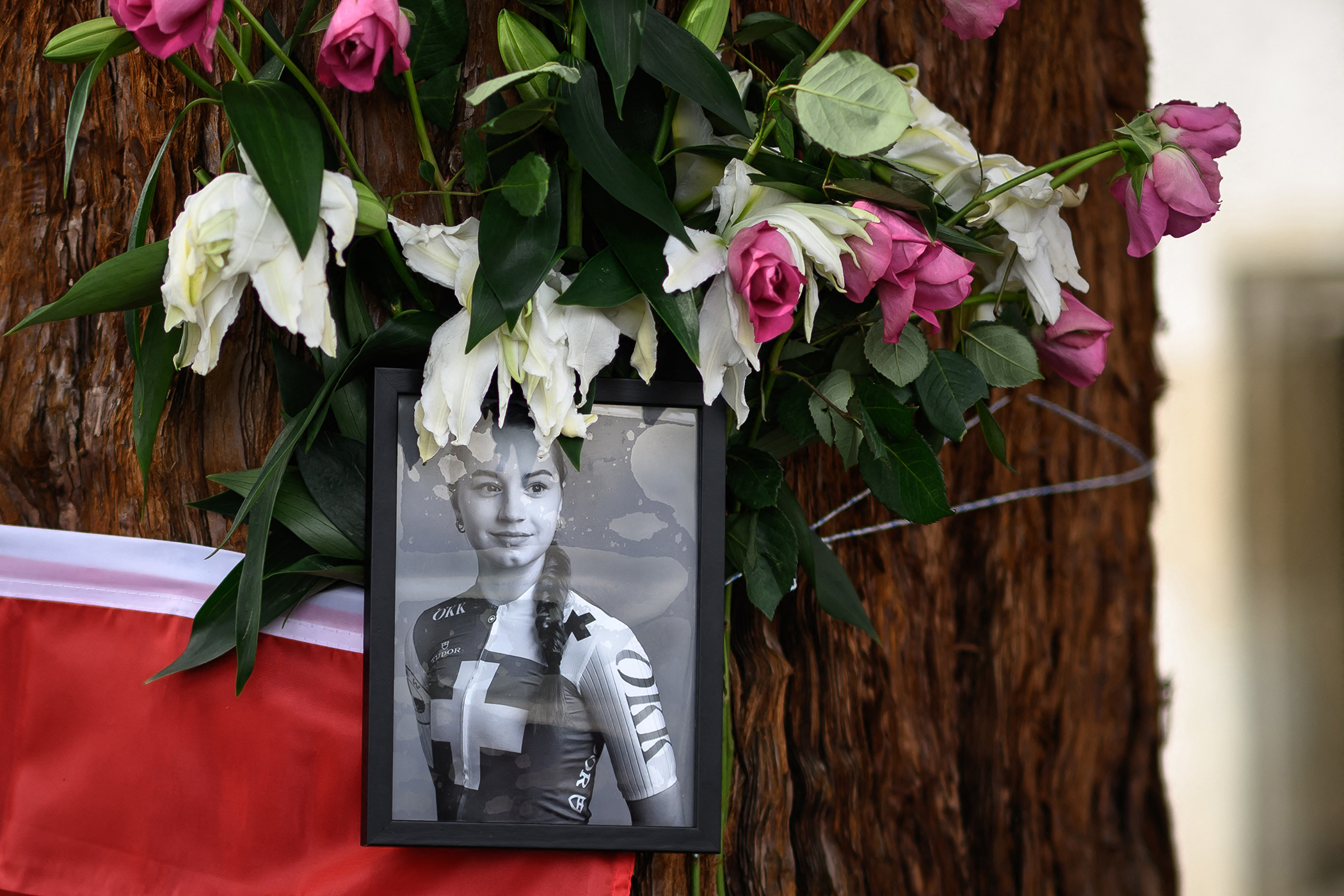
Muriel Furrer, who crashed at the 2024 World Road Championships, was not so fortunate. The teenager left the road, unseen, and disappeared into woods at the side of the race route.
Newsletters
Choose the newsletters you want to receive
View more
For information about how The Observer protects your data, read our Privacy Policy
Furrer, racing without a radio or GPS tracking, lay critically injured as the race continued. For 82 minutes, her plight was unknown and the alarm was only raised at the end of the race. Public prosecutors in Switzerland finally closed an investigation into her death in April saying that it was “a racing accident without any indication of criminally relevant conduct.”
The tragic circumstances of her crash, so soon after a similar fall caused the death of Gino Mader in the 2023 Tour of Switzerland, reinforced how dangerous the sport has now become.
While the governing body, the UCI, has focussed on athlete error, high speeds and restricting advances in aerodynamic technology, teams and riders have lobbied for greater security and protection on each race route.
Speaking in the aftermath of Furrer’s death, UCI President David Lappartient claimed that “50% of crashes happen because of bad behaviour” by riders.
That comment drew an angry reaction from many, including 2018 Tour de France winner, Geraint Thomas, who responded by arguing that “50 per cent is still down to Lappartient and race organisers to do everything they can.” But aside from the commercial juggernaut that is the Tour de France, many promoters are facing spiralling costs, just to stage their races.
After Vingegaard’s crash in the spring of 2024, Markus Laerum, the CEO of Safe Cycling, which creates signage and warning systems for major races, said that the Basque race organisers had been contacted about the dangers of the descent, but that Safe Cycling “never received an answer from them.”
Vingegaard himself had raised concerns well in advance.
“One of our discussion partners at the time was Jonas,” Laerum said, “and he had already warned us about that specific descent six months earlier.” The Basque Country crash could have been far worse than it was: not for the first time, the sport got away with it.
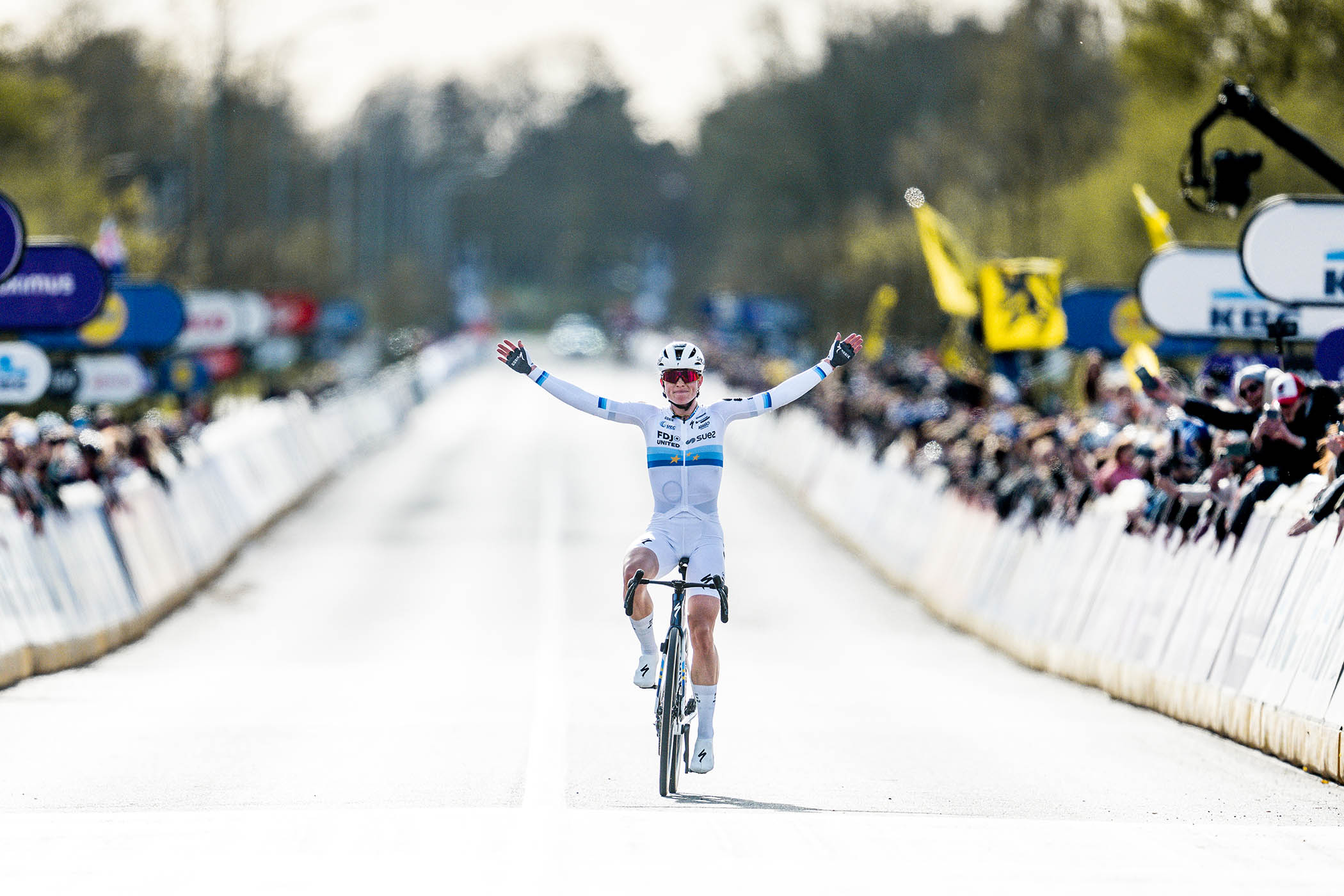
The 2024 Tour de France Femmes winner, Kasia Niewiadoma, who crashed heavily in this year’s Milan-San Remo while navigating a fast descent, admitted that the women’s peloton takes risks “at certain times.”
“It’s because everyone’s level has increased and you don’t only have one dominant team,” she said. “You have more teams that fight for position.”
While the UCI has explored initiatives such as gear restrictions, wider handlebars and even air bags in rider kit, the near-misses keep happening. Pidcock is among those who think that not enough steps are being taken.
“I personally feel that the changes implemented don’t really make the sport safer. To me, it’s about technology. That’s the key. Take (radio) earpieces for example. I understand there are reasons to ban them, but for safety in the race, they are simply essential,” he said.
“Limiting gear ratios only creates more danger. If we all ride at the same top speed, we bunch up more. On descents, this means we occupy a greater portion of the road.”
Serial safety failures now oblige all race organisers to collaborate fully with the teams and riders, to agree heightened safety criteria, and to minimise the prospect of further fatalities.
Professional cycling is getting faster and more dangerous every year. Some of the issues are practical, some financial, while others are cultural. But blaming professional athletes for racing too fast during competition, is disingenuous, if not irresponsible.
Photograph by Getty Images