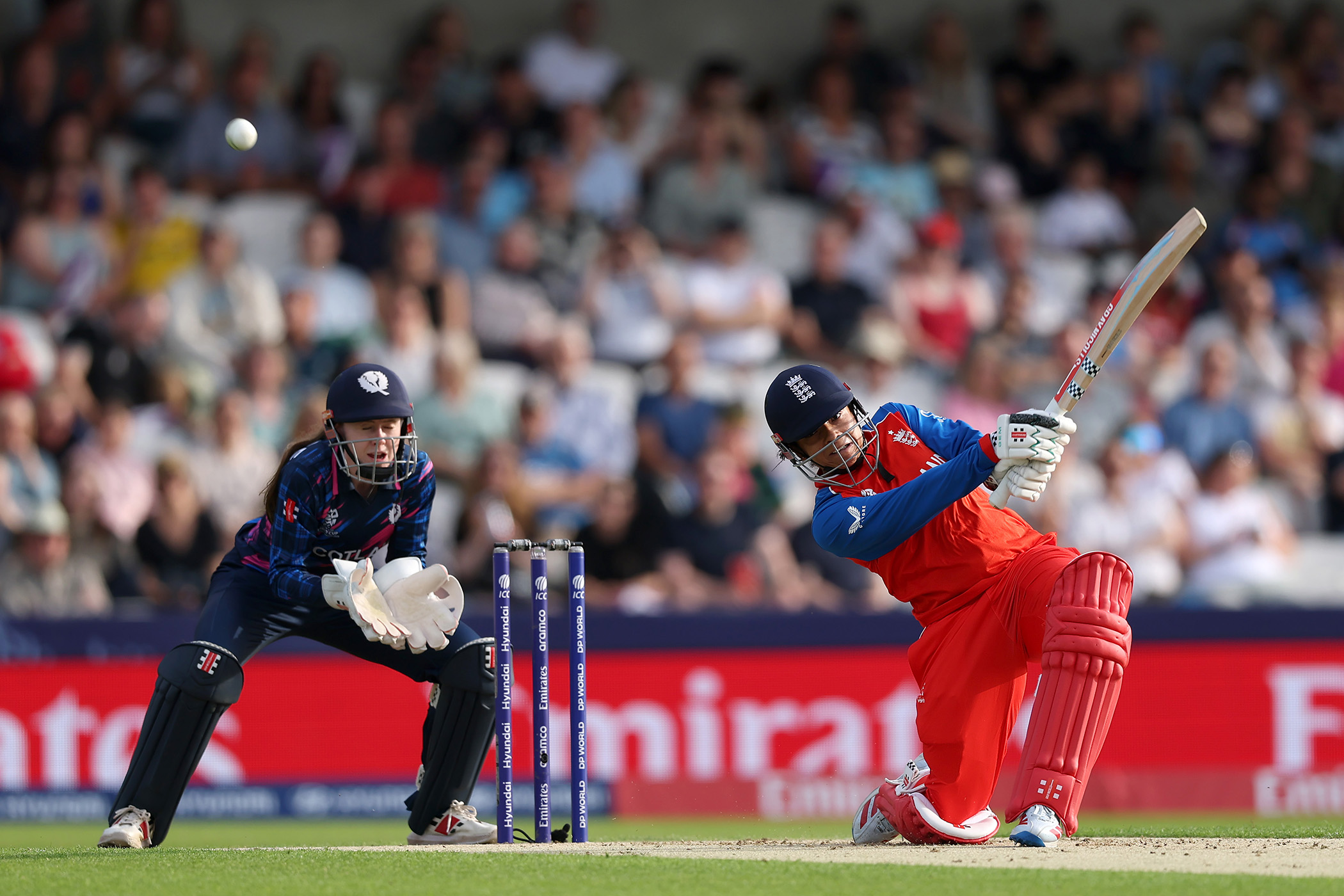
England are not strangers to a good World Cup group stage, and they will know that it does not guarantee further success in the competition, but their opening four matches of the home T20 World Cup have been a breeze. They have sailed past Sri Lanka, Ireland, Scotland and West Indies, with any small wobbles quickly righted.
Ebony Rainford-Brent won the 2009 home T20 World Cup with England, captained by current England head coach Charlotte Edwards, so knows a bit about how to turn a strong start into a trophy.
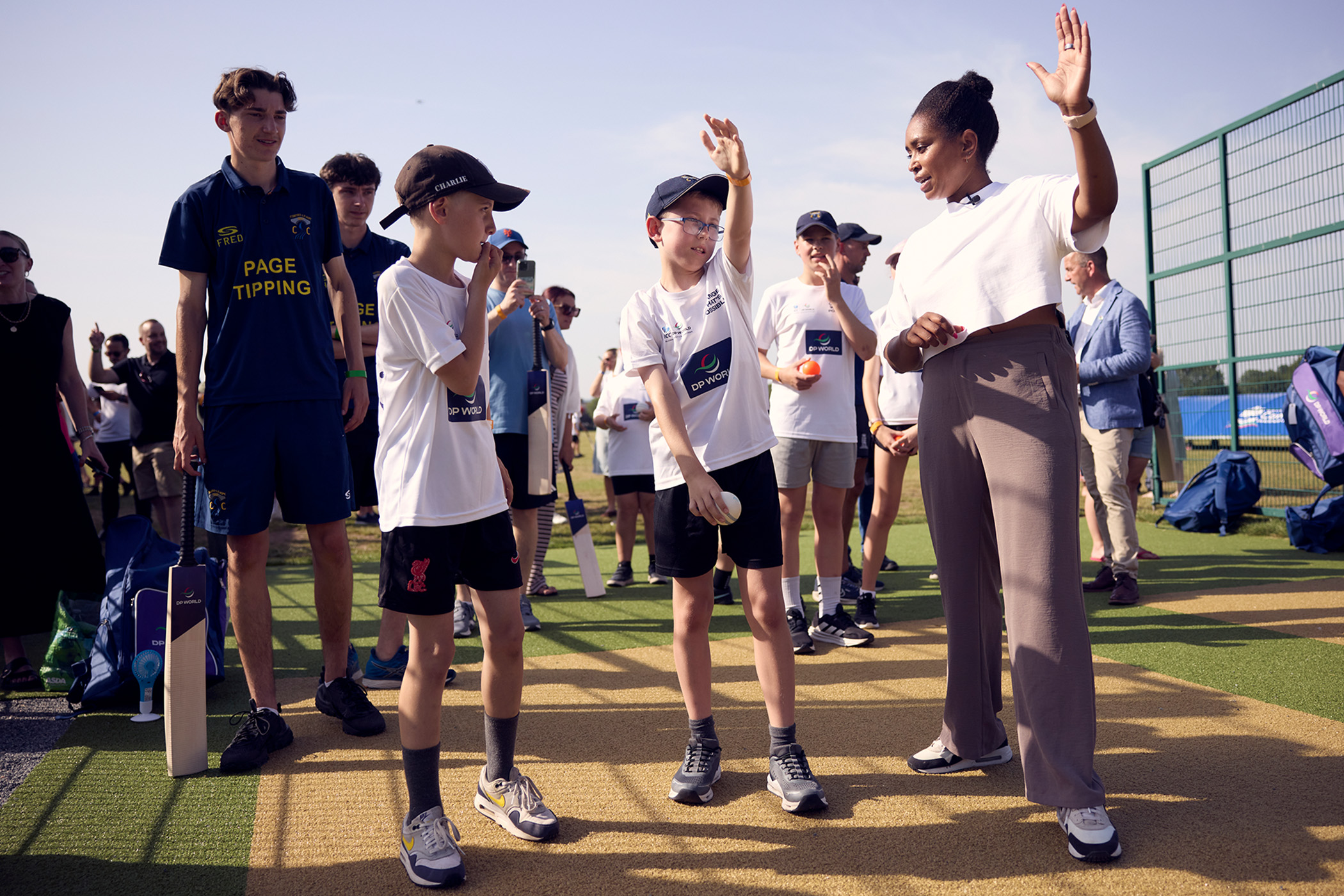
“I don’t want to get too excited yet,” she says, speaking at Stanford-le-Hope Cricket Club, where tournament sponsors DP World and the ICC have donated cricket kits, a shipping container repurposed as a changing room and three practice nets to the club.
“We’ve had a nice friendly group, but I’m definitely seeing improvements on similar games we would have played in previous World Cups. We’re more on the front foot.”
Rainford-Brent’s experience of Edwards as a captain was of someone detail-focused. England have certainly looked well-prepared when it comes to facing up to their opposition. They used three overs of Lauren Bell during the powerplay in their latest match against West Indies to limit their big-hitting openers Deandra Dottin and Hayley Matthews, meaning that their opponents could never seriously get going in the chase. Yet Rainford-Brent also believes there have been some other noticeable changes to England.
“One is basic, but fitness - Charlotte Edwards has been pushing that. England had something like 190 days without an international [between last October and May], which is not ideal. You want your players playing, you want competitive cricket. But it meant for the first time, they had a dedicated window just to get fit.
“The other thing I think is vital is that domestic cricket is playing a role. Players who are performing in domestic cricket are getting a look-in. [Players are] not just being selected from a small pool where it’s kind of harder to get out of than in the team. You’ve actually got players coming through like Freya Kemp, Dani Gibson, Tilly Corteen-Coleman that arguably before may not have been considered. It keeps that standard high.”
England have been without captain Natalie Sciver-Brunt for their last three group-stage matches, after she retired injured against Ireland with a recurrence of a calf problem. Charlie Dean has stepped up as captain in her place, even with former captain Heather Knight also in the squad. Rainford-Brent believes that this has given England the best of both worlds.
“[Knight] will be that player that fully supports Charlie Dean. So they get both. The youthful, dynamic captain who understands the new culture, plus the old guard who has been there, done that and will not be fearful.
“They’re well looked after in that moment. Of course, everyone wants Nat [Sciver-Brunt] back from a playing perspective, but when it comes to leadership on the pitch, I think they will be alright.”
Newsletters
Choose the newsletters you want to receive
View more
For information about how The Observer protects your data, read our Privacy Policy
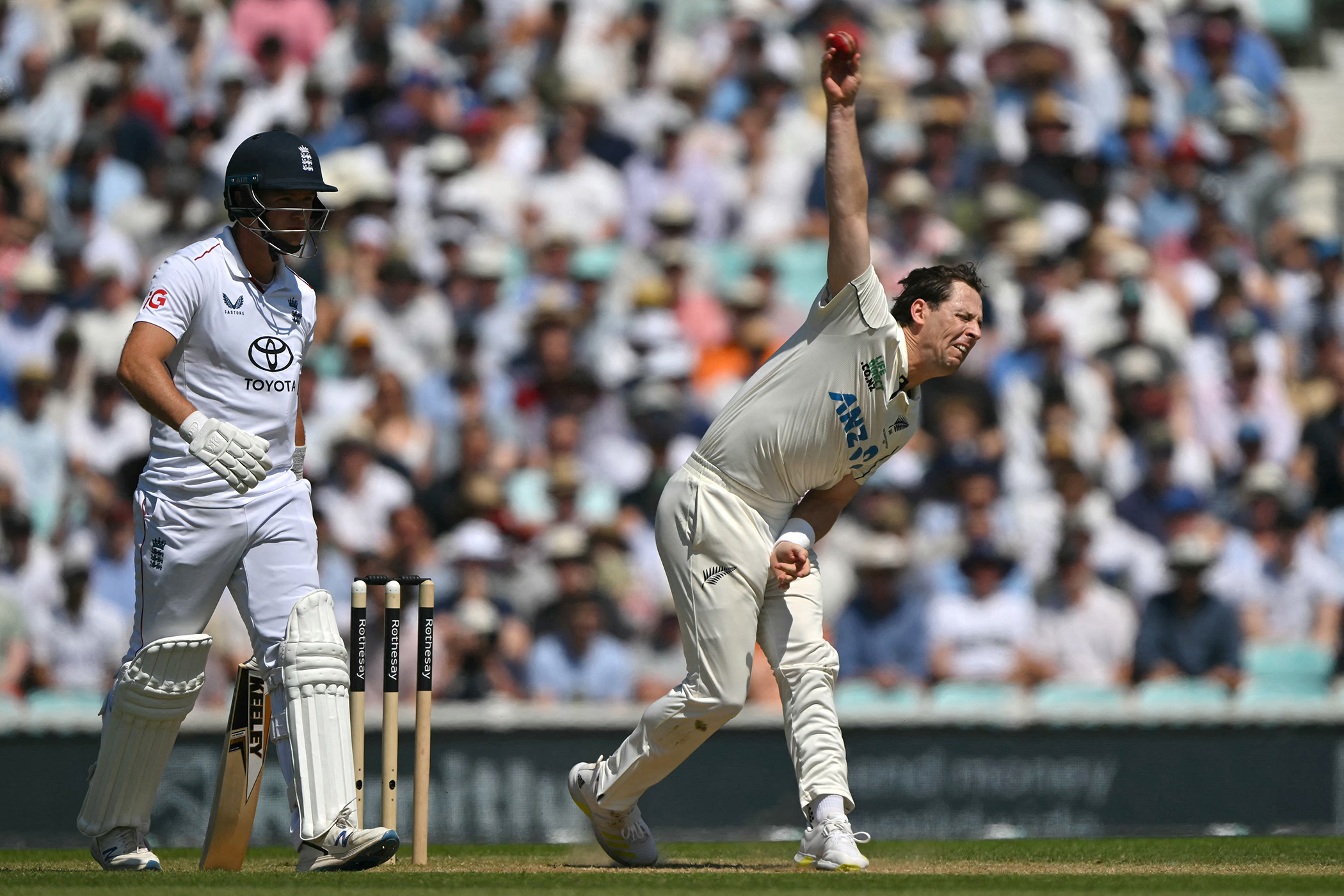
Despite England’s successes, the reality is that this World Cup has faded into the background, with the men’s Test series against New Zealand and the off-field issues that have come with it dominating cricket media discourse.
“It really doesn’t help that we’ve had [the Test series]. If it was just the cricket happening, I think it’d be alright,” says Rainford-Brent.
“The ECB couldn’t have predicted the drama off the field that’s made it into a wider dominant narrative.
“The cricket calendar is so rammed. If you move that, where do you go? It is a nightmare. I look at the scheduling every year and think: ‘Good luck to them’.”
Rainford-Brent believes that despite an increase in visibility, through opportunities like players being featured in Vogue, the tournament still has not cut through as a whole.
“Often I find in tournaments, that happens when you get to the semis and final. The taxi drivers are the test for me. In 2017, when the girls got through to the final, no one knew early on, but once they got to the final, taxi drivers knew. We’re not there yet, but the noise starts to build in the semi-finals and that narrative starts to shift.
“I don’t think we’ve nailed it, but there’s been a lot of effort and energy gone into it. We don’t want to be unrealistic and assume it’s just going to break through like football did. We don’t have terrestrial coverage in the same way.
“It will be the most-watched Women’s T20 World Cup, so it’s not that we’re not cutting through, but I think in England specifically, in terms of the mainstream, there’s still some work to do.”
When it comes to the grassroots trickle-down, Rainford-Brent emphasises initiatives like the one she is working on with DP World at Stanford-le-Hope.
“To have a good club infrastructure takes so much,” she says. “Even investing in the facilities so that kids can come down and play in the nets, it helps keep them engaged and invested in the club.
“The World Cup is the perfect narrative. It gives clubs something to anchor to. The fact that they’re building changing facilities means that it removes the stress. There is somewhere for everyone to change that’s safe and easy to access, and you can build around it.
“Women’s and girls’ cricket is going through the roof in terms of team sport. More boys are invested as well, so it doesn’t become a girls-only narrative. It’s about supporting young people to develop their cricket and their interest in the game.”
Photograph by Tom Shaw/DP World