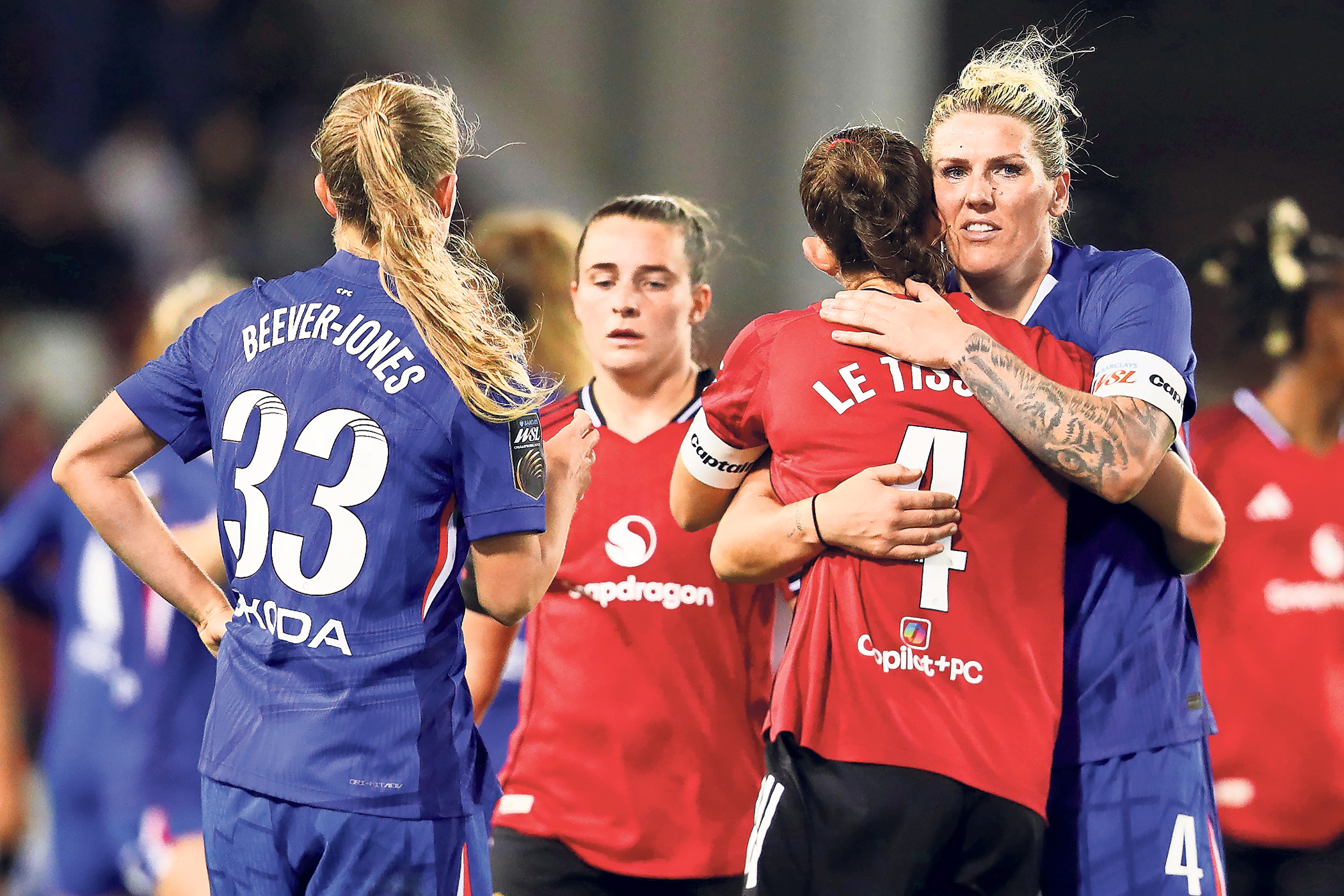


At the start of the week, it looked like the FA Cup fifth round match between Chelsea and Manchester United was going to be the last of its kind. Reports from earlier in the month had revealed that the Football Association were considering plans which would see the top four Women’s Super League teams seeded in the competition. That would mean that a blockbuster early tie between the teams that are currently separated by just a point in the league could never happen. The hope was guaranteed fixtures between the “best” teams in the latter stages would boost commercial revenue. The result would have been a domestic cup neutered of competitive integrity.
But by Thursday, the FA had U-turned on these proposals. As is the vogue with everyone from the government down, the internet gets used as an informal focus group. If enough opposition is articulated, the never formally announced plans are quietly shelved, allowing everyone to move on.
An FA spokesperson told The Guardian on Thursday: “We have listened to the feedback and no changes will be implemented for the 2026-27 season.” They went on to say that they would be “extending the consultation phase to allow for further engagement informed by the questions and comments raised”.
The proposals had been met by significant opposition from supporters groups.
“The sporting merit in our game is slowly being eroded in favour of ‘super matches’ between elite teams,” wrote SheGulls, the Brighton Women’s Supporters Club, on X.
Managers were also vocal about their respect for the competition in its current form.
“What is really nice in this competition is that you can face every team at every stage of the competition,” said Sonia Bompastor in her press conference ahead of Chelsea’s match against United. “That makes this competition really special. I will be having more fun in a competition that doesn’t protect anyone.”
“The FA Cup is really key for us as an English footballing culture and the way we operate,” said Amy Merricks, the Birmingham City manager. “I’m a big advocate for what it brings right now, and I would be happy to stick with it.”
Related articles:
Tottenham are the only team outside of the traditional top four of Chelsea, Arsenal, Manchester City and Manchester United to have made the FA Cup final over the past five years. They reached Wembley in 2024, and despite losing 4-0 to Manchester United, their run was a standout moment.
“It was a real sense of growth from the club and from the team to get to that final,” said Tottenham manager Martin Ho, who was then an assistant manager at United.
Newsletters
Choose the newsletters you want to receive
View more
For information about how The Observer protects your data, read our Privacy Policy
“Whatever [the FA] decide to do, you have to support it. They want to try to grow the competition and maybe adapt the competition in certain ways. We’ll respect that as a club and I respect that as a coach.”
While any changes are delayed for now, the proposals reflect a desire from the FA to have the competition make more money. The commercial pressures of it have already been seen in the broadcasting realities of this season.
This year’s FA Cup is the first which has a stand-alone broadcast deal, with matches being shown across TNT Sports and Channel 4. That has led to consternation from fans, with clubs unable to show matches which have not been selected for broadcast if they are being played at the same time as those that have been.
Over the past couple of years, the women’s game has prioritised free-to-air broadcasts of as many games as possible, with clubs stepping in to show games themselves if there is no broadcaster to take the match. That has shifted across both the league and FA Cup with more Women’s Super League matches behind a paywall on Sky Sports.
The Women’s FA Cup was originally set up by the Women’s FA, a separate body to the FA, in 1970. This history means changes being made by the FA, which took control of the competition in 1992, are looked on with extra suspicion as it represents women’s football in its original independent form. The FA is now its custodian but exactly how these proposals show where its interests lie is up for debate.
Photo by Charlotte Tattersall – WSL Football via Getty Images