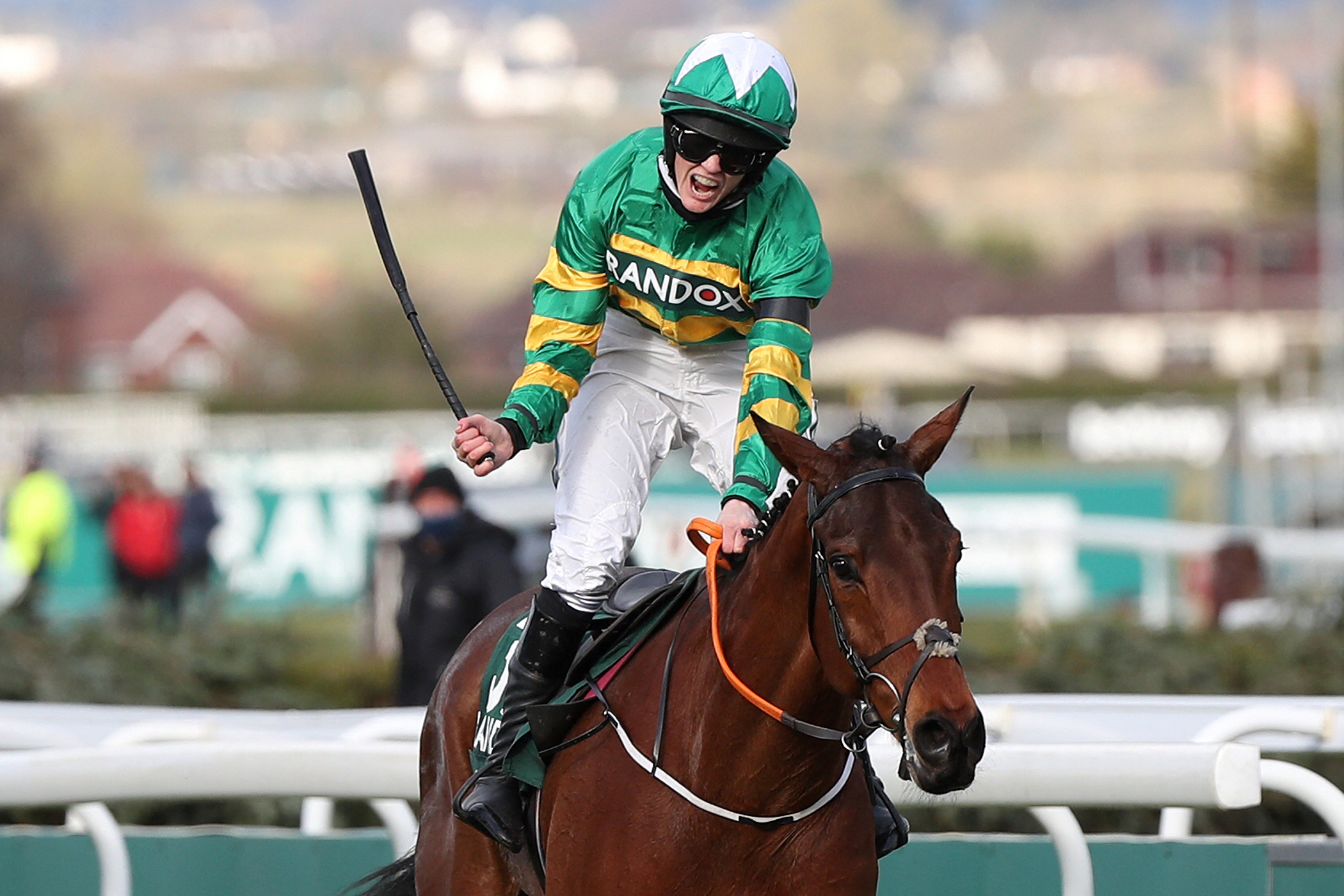

“I don’t feel male or female right now. I don’t even feel human,” an elated Rachael Blackmore told ITV. She had just made history as the first woman to win the Grand National in 2021, which she followed by becoming the first woman to win the Cheltenham Gold Cup in 2022. Her breathless words at Aintree left an indelible mark on the sport. Winning on Minella Times in her emerald and yellow silks, Blackmore’s ride was a historic triumph 44 years after a woman, Charlotte Brew, first took part in the iconic race.
“She didn’t identify herself as a woman, she was identifying herself as an athlete,” says elite rider turned TV presenter Alice Plunkett, “and that was a big game changer. We didn’t talk about her as a female jockey. We just talked about her achievements. That gear change was almost more significant than the fact that she was a woman.”
As one of the few sports where men and women compete on equal terms, horse racing “has always been a very good space for women”, Plunkett said. “People always talk about it being a man’s world. In fact, it’s not. It’s the most equal in terms of opportunity.”
As the only woman to have ridden both over the Grand National course and in the Badminton Horse Trials, Plunkett is part of the anthology of women’s firsts in racing. “It’s crazy, isn’t it? Now when I’m an old lady looking back and thinking: ‘How the hell did that happen?’ I just did it.”
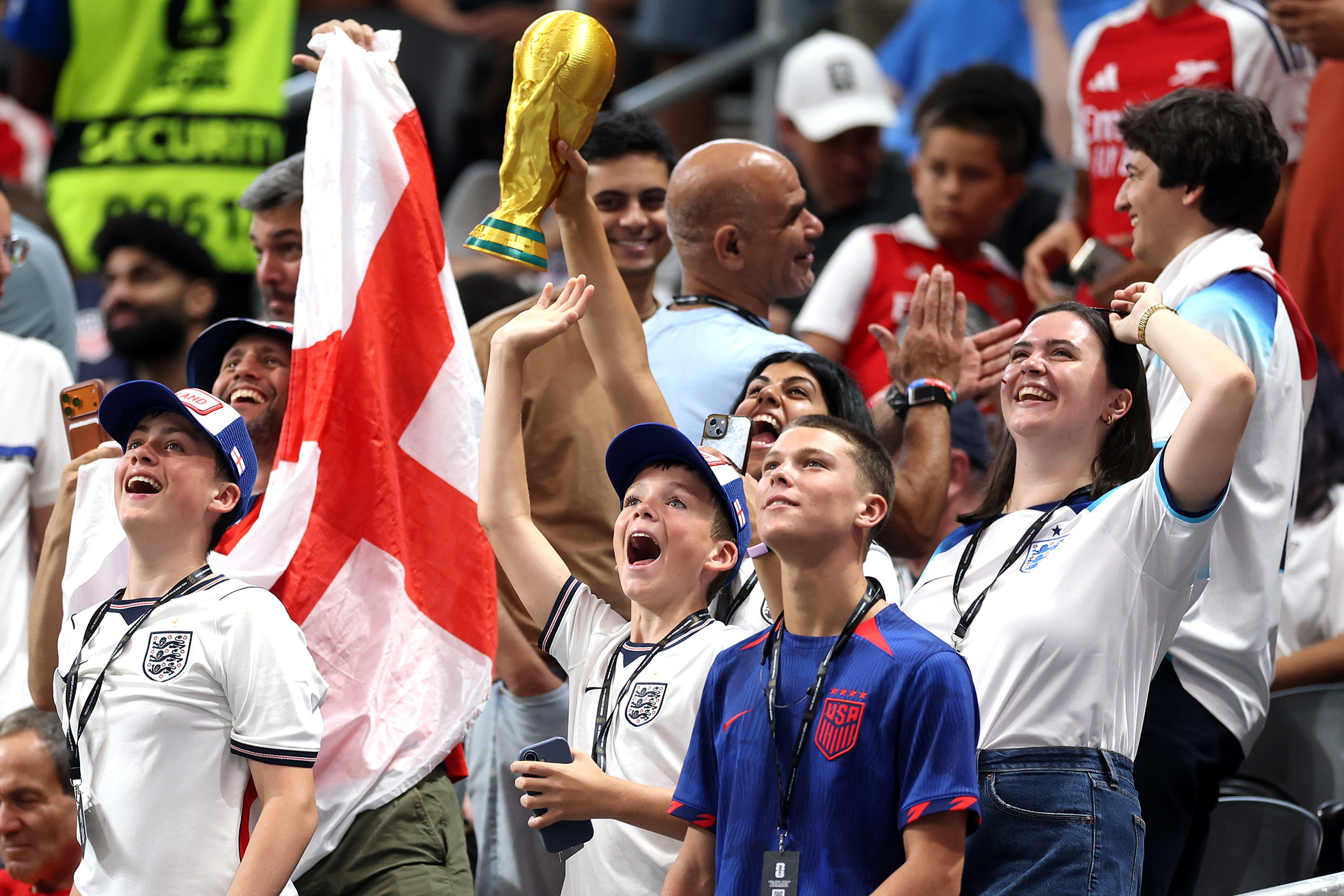
About 600 million worldwide can watch the Grand National next Saturday, with more than 150,000 spectators attending the three-day festival. The largest crowd since 2012 is expected, with the Jockey Club on a drive to encourage more women to attend, having raised the share of women at Ladies’ Day at Cheltenham from 25% in 2025 to 33% this year.
Women make up almost 40% of the race-day crowd, according to the Racecourse Association and Great British Racing Data Insight Programme, while for the upcoming Aintree Ladies Day, the number of 18 to 24-year-old ticket-holders has more than doubled from last year.
The renewed fascination for racing among young women is doubtless due in part to fashion. Cheltenham Festival in particular has become “the runway of the countryside”, synonymous with the designer Jade Holland Cooper. The practical elegance and slick-cut tweed suits and dresses of Holland Cooper and her namesake brand are hard to miss at the racecourse or on social media, with their combined Instagram following of more than 1.2 million.
Her styles have a potent reach beyond the racing community, with influencers and racing legends alike part of her campaigns and in the Holland Cooper box.
“We are absolutely flying the flag and giving an amazing wrap-around marketing for [the sport] because we’re bringing people that might not normally go to racing,” said Holland Cooper.
For a brand that started as 30 miniskirts sold from a dimly lit stand at the 2008 Badminton Horse Trials, Holland Cooper has now captured the market for race-day fashion with a £64m brand and a flagship Cheltenham boutique. She relishes that her brand dresses “all of the people I could have dreamed of dressing”.
Newsletters
Choose the newsletters you want to receive
View more
For information about how The Observer protects your data, read our Privacy Policy
Race-day style has enjoyed something of a Coco Chanel effect through its modern tailoring. Holland Cooper remembers the uproar when she wore a tie to a race day four years ago – now a womenswear runway fixture.
“We’re in the business of empowering women,” said Holland Cooper. “Women are having the confidence to say: I am going to power-dress. I am going to wear a shirt and tie – a shirt and tie isn’t just for men. The three-piece suit isn’t just for men. We are dressing powerfully, and by the way, it’s not just at the races. It’s when we’re in the boardroom, when we’re in the city.”
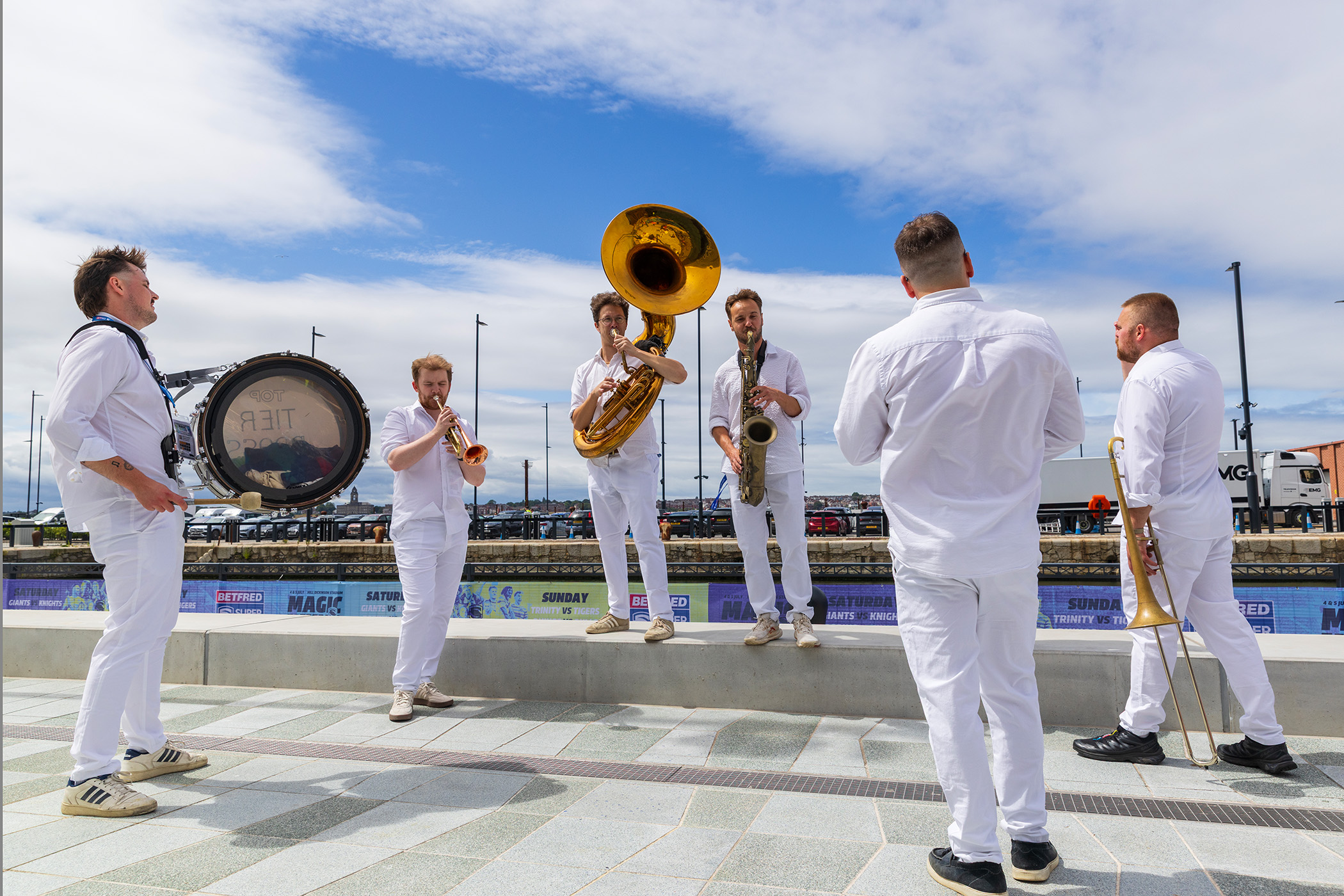
Younger people have been encouraged to attend racing through events put on for students, live music and marketing on social media.
A fresh generation of online-savvy pundits are changing the face of the sport. Flat jockey turned presenter Meg Nicholls, daughter of leading National Hunt trainer Paul Nicholls, says racing “has become more inclusive for everyone. It was once a sort of gentleman’s game, and has evolved with the times.”
And when it comes to the evolution of her personal style, Nicholls has felt encouraged by brands to go out of her comfort zone with race-day looks. Aintree, Nicholls expects, will be “absolutely rammed with all sorts of fabulously incredible and fabulously awful outfits”.
Veteran trainer Venetia Williams says that the sport still holds unique challenges for women, although there are now more routes into racing as a jockey than during her spell in the 1980s. None of the four female trainers with a Grand National win were parenting at the time. To raise a family and train winners “would be nigh-on impossible”, she adds. “It’s a 24/7 job, it takes up all of your time and thoughts and you couldn’t really do it if you were having to add a family as well.”
Yet being a woman gave Williams an edge in a male-dominated space. “I probably got more publicity being female than perhaps I might have if I hadn’t been female,” she says.
While women’s influence is growing in the stands and on our screens, it is still at the elite level where a Blackmore-sized gap remains. “At the moment in jump racing we are lacking a poster girl,” says Plunkett, who is now witnessing the next generation of young riders, with her 13-year-old daughter racing and eventing.
“Girls naturally gravitate towards equestrianism rather than racing,” adds Plunkett. “And that’s why you see less girls racing, not because there aren’t the opportunities. It’s just that there are more opportunities in other areas of horse sport.”
Although grassroots pony racing and junior championships are flourishing, the worldwide Pony Club has been a cornerstone of youth equestrian training since its 1929 inception. It persists as the overwhelming professional pathway for young riders under 26 to train, care for horses and compete in eventing disciplines.
The next generation will benefit from the strong representation of girls rising through the ranks of pony racing.
“We’re lacking a jockey like Bryony Frost or Rachael Blackmore at the moment at the top of the sport,” says Plunkett. “But things go in cycles and I’m very confident that another will come through.”
Photograph by Scott Heppell/AFP via Getty Images