
As a player Darren Lockyer achieved everything possible in rugby league, winning a World Cup and National Rugby League Grand Finals, and making the most appearances for Australia and the Brisbane Broncos which still stand 14 years after his retirement, but the 48-year-old may be facing his biggest challenge yet.
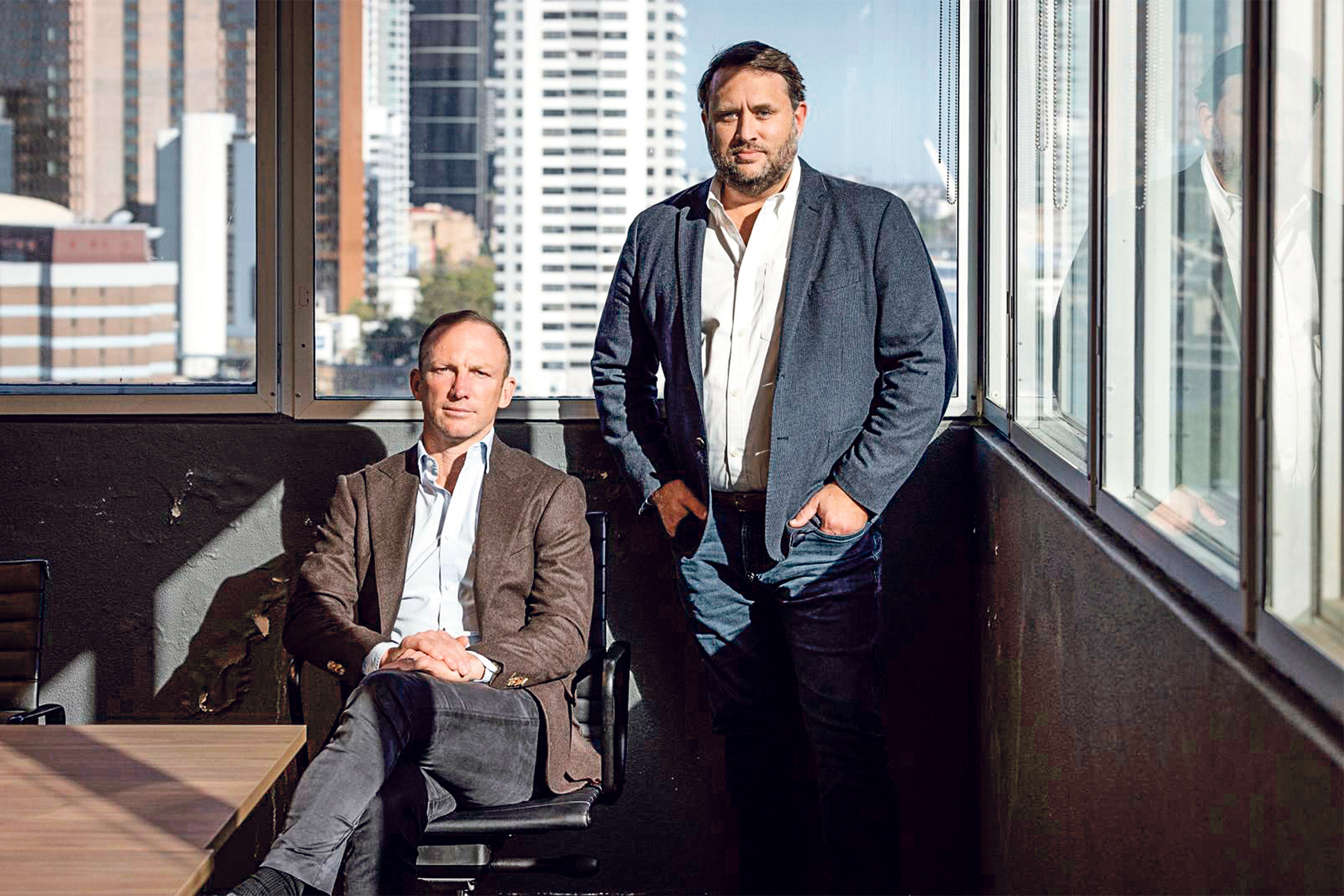
Sitting in his sun-baked office in Brisbane with business partner Grant Wechsel, Lockyer is explaining the pair’s surprise decision to buy 90% of London Broncos, who are languishing in British rugby league’s second tier and failed to gain a place in the expanded 14-team Super League shortly after their takeover was completed in September.
As tenants at Plough Lane, where crowds averaged about 3,000 last season, London are small players even in Wimbledon, never mind the capital as a whole. This is a far cry from the situation in Brisbane, where rugby league is king, particularly after the Broncos won their first NRL title for 19 years with a thrilling 26-22 victory over Melbourne Storm in October.
Lockyer has put his own money into London in a 50/50 split with Wechsel, who made his fortune in the mining industry, with the pair fuelled by a passion to globalise a sport that is booming in their homeland. The NRL’s next Australian TV deal is expected to be worth about £1.5bn, making it by far the most valuable rugby contract in any code anywhere in the world.
After years of revelling in splendid isolation Down Under, there are increasing moves from Australia’s powerbrokers to grow the game internationally. The NRL is two years into a five-year deal in which each season begins in Las Vegas, with Super League clubs Hull KR and Leeds Rhinos on the Nevada undercard next year.
‘There’s a risk, but the satisfaction I’ll have is getting a good outcome for the game’
‘There’s a risk, but the satisfaction I’ll have is getting a good outcome for the game’
Darren Lockyer
There are also plans to launch a so-called global round in 2027 with nine NRL games to be played all over the world in one 24-hour period, in glamorous locations from Las Vegas to Miami, Hawaii, London, Toulouse, Dubai and Hong Kong.
“If rugby league is to become a global game, then London has to be a big part of that,” says Lockyer. “It’s not without its risk, but at the same time the satisfaction I get out of doing this is getting a good outcome for the game.
“When you’re on the field playing, you can influence the game physically with your hands and your thinking. And you’ve only got 12 team-mates, and then 13 opposition players to worry about. So this is a bigger challenge.
“There are a lot more moving parts when you own a football club, and we’re fully aware of that. There have been a lot of owners that have come and gone in London, and not been able to make it work.”
As Wechsel notes, one of their predecessors as majority shareholder is billionaire Richard Branson’s Virgin Group, who had far deeper pockets but, in his view, lacked the new owners’ passion and expertise.
Newsletters
Choose the newsletters you want to receive
View more
For information about how The Observer protects your data, read our Privacy Policy
While Branson was in charge at the high point of London’s nomadic 45-year history which began as Fulham in 1980 – their appearance in the 1999 Challenge Cup final at Wembley – his interest waned, and in 2002 he sold the club to Lancashire-born oil trader David Hughes. “With all due respect to Richard, I don’t think he was hustling the fan base as much as we’re going to be,” Wechsel says. “The story goes that he bought the club because his son was interested, but the losses soon got too much. We’re doing this as a business, but we’re in it for the long term, so we have got to put in the hard yards and get people behind us.
“We need to grow the fanbase obviously, and targeting Australians in London will be key. We plan on inviting Australians from other sports especially and having some crossover.
“We play in Wimbledon so let’s get tennis players here every summer. Darren had Pat Cash, the former Wimbledon champion, in a Broncos hat at the [rugby league] Ashes Test at Wembley last month. There’s plenty more we can do.”
The new owners have already had some significant commercial wins, signing a new kit deal with Reebok and extending their shirt sponsorship with BrewDog on more lucrative terms, which has helped fund a significant recruitment drive for new head coach Jason Demetriou, who also coaches the Papua New Guinea international team. Australian prop Reagan Campbell-Gillard is the biggest name signing from Gold Coast Titans, but Demetriou has also recruited four PNG internationals in Morea Morea, Finley Glare, Jeremiah Simbiken and Robert Mathias.
In common with many rugby executives, Lockyer has had to contend with the emergence of the fledgling rugby union competition, R360, which he describes as a threat that makes him nervous despite the organisers postponing the launch until 2028 last month.
“You can’t dismiss it as a threat,” he says. “Ryan Papenhuyzen leaving Melbourne a year early makes me a little bit nervous that R360 might happen. But there’s a saying in sport that you shouldn’t worry about things you can’t control.
“The NRL have come out and said that if you go to R360, then you’re banned for 10 years. I support that stance. I think it’s a strong stance, but if individuals go to R360, you can’t blame them personally.”
Missing out on being invited to join next year’s Super League – with the additional places being awarded to Bradford Bulls, Toulouse Olympique and York Knights following Salford Red Devils’ relegation – winning next year’s second tier is their immediate target.
“We’ve said to JD [Demetriou], we need to win the Championship,” says Wechsel. “We’ve got a very strong squad, and that’s what JD is aiming for.”