
Just over a year ago, in an ornate office block in Berkeley Square, the England and Wales Cricket Board’s wildest dreams came true. You imagine copious giggling, a light smattering of feet-kicking, the odd euphoric streak through Marylebone. Selling off its 49% stake in the eight Hundred franchises valued its brainchild at almost £1bn and raised £520m to fund counties and the wider game, from not so much selling off the family silver as flogging the family tin.
This smorgasbord of largely Indian, American or Indian-American tycoons purchased names so prestigious that three franchises have since chosen to change them. Also thrown in was first refusal on paying some of the team’s former players’ extortionate salaries, social media assets close to worthless and a month’s rent of a ground. Four did not even buy controlling shares. They invested in a format not played anywhere else and one that is predicted to be canned in favour of traditional T20 within a few years.
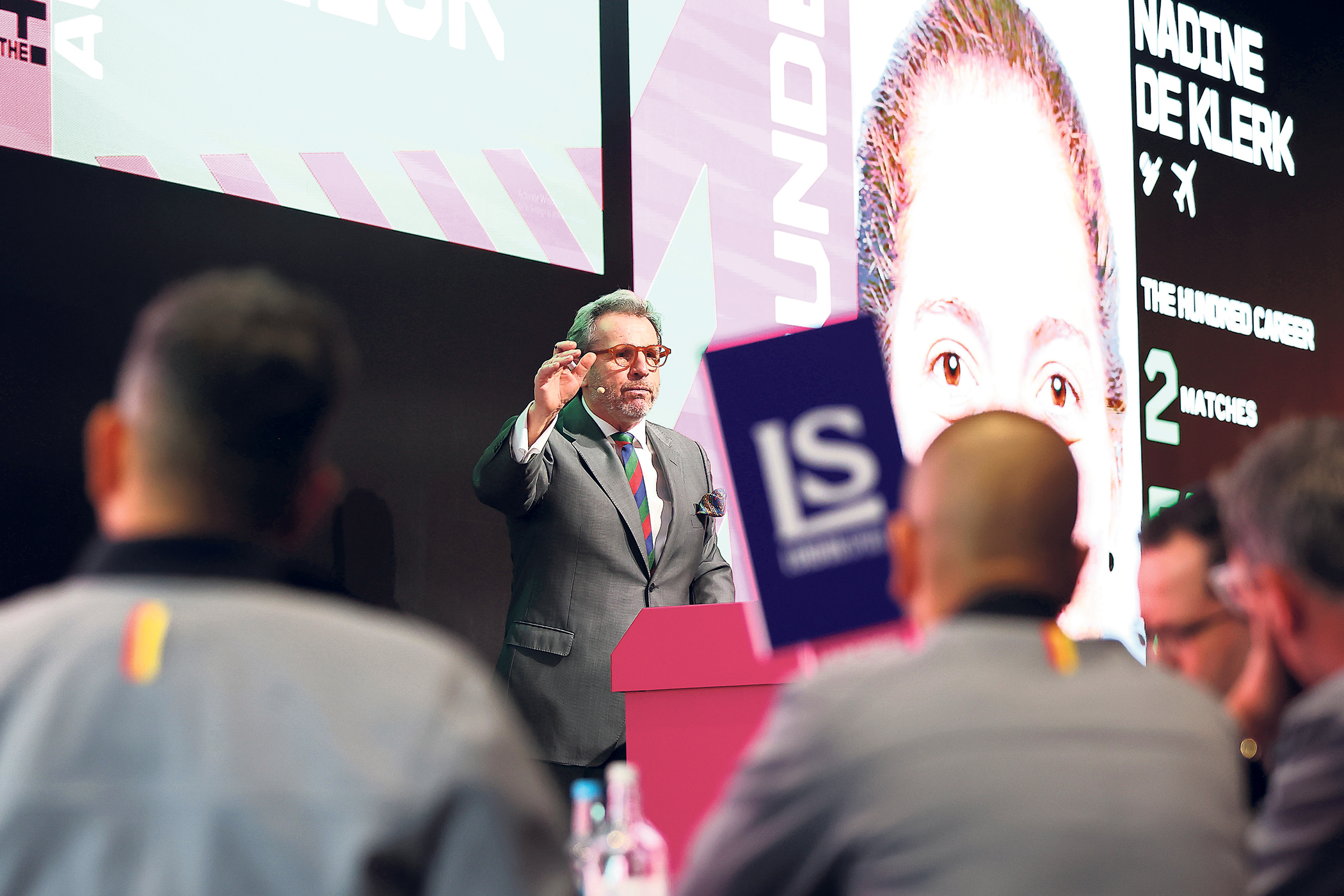
More than anything, they were betting on their expertise and abilities to make this work, buying a collection of vibes and visions. And so, on Wednesday and Thursday this week, franchise representatives met in a dimly-lit hall next to Boots in Piccadilly Circus, a little slice of hell at the best of times, the gaudiest possible venue for a painfully gaudy event. The inaugural Hundred auction was modelled on its Indian Premier League (IPL) equivalent and pushed for by the IPL investors, a chance to make something from the relative nothing they spent hundreds of millions on. It was soundtracked by the affected bark of Richard Madley from the BBC’s Bargain Hunt, IPL auctioneer from 2008 to 2018, in a suitably snazzy tie and designer glasses. Faraaz from The Traitors was the most recognisable of a host of influencers swarming around the edges.
Billed by commentator Charles Dagnall as “the first-ever major sport auction held in the UK”, it was easy to understand why the format has never caught on here: awkward and often dull and wholly uncomfortable. This was especially true of the women’s auction, as an overwhelmingly male room debated and bid on the futures of young women. Yes, they earned massive sums, but MI London’s Lisa Keightley is the only female head coach across the eight women’s teams. The highest-paid women’s players earned 14 times that of the lowest-paid, a disparity which has effectively doubled from last year. There is still no clear pathway for how this benefits the wider women’s game, rather than just its true elites.
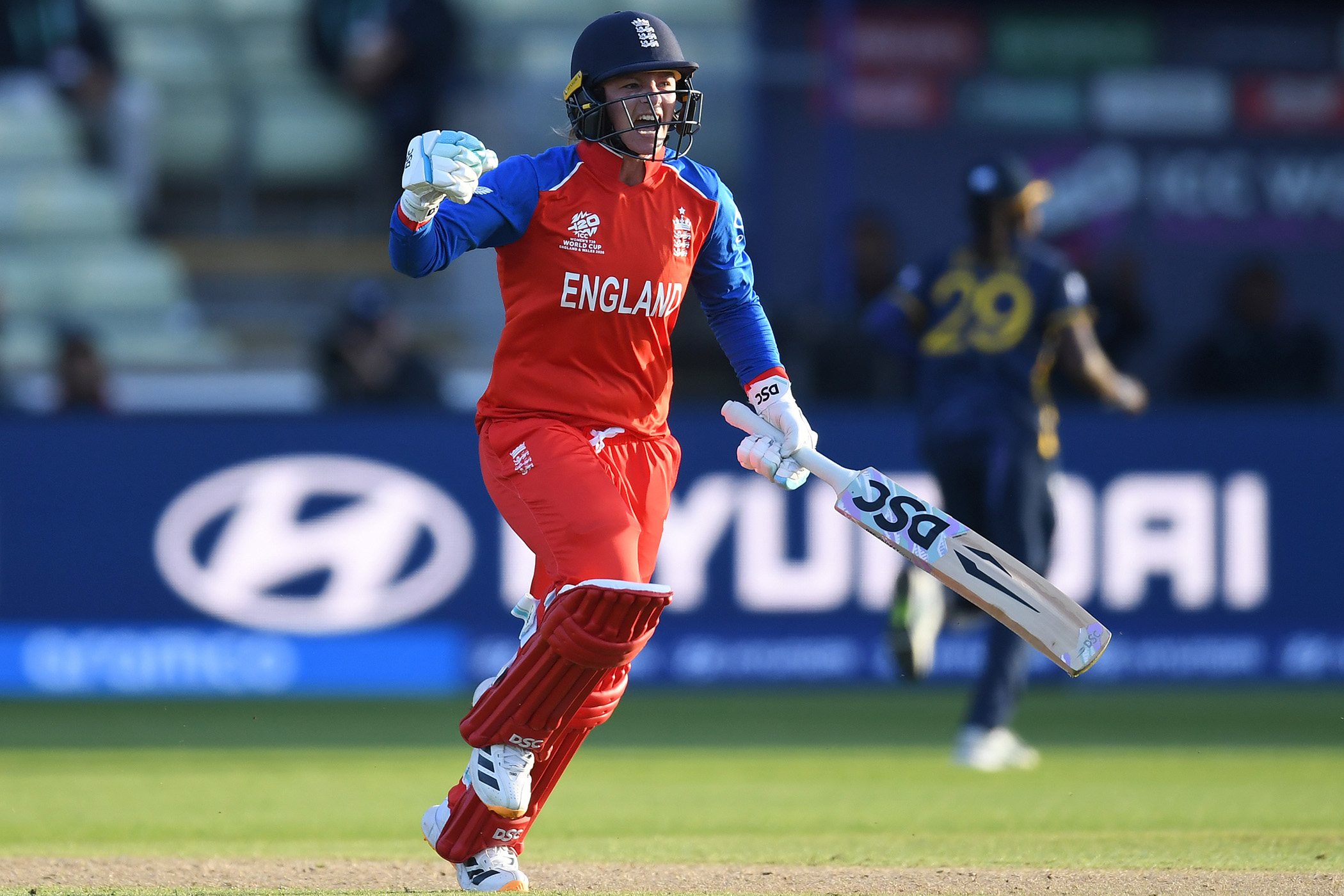
Both auctions dragged over seven hours, attempting to drown dissenters in the sheer unimpeachable scale of the numbers. Uncapped all-rounder James Coles, scorer of 124 runs and taker of five wickets in last year’s Hundred, went to London Spirit for £390,000 for less than a month’s work, the final £150,000 accumulating in just seconds. England Under-19s captain Thomas Rew, veteran of 18 professional T20 runs, earned £80,000. All-rounder Dani Gibson was the highest-earning English woman, commanding £190,000, more than Rashid Khan, Zak Crawley and Liam Dawson. The overarching message was that more is better; money will heal all. But of course English cricket’s great failing has never been the sole lack of money or goodwill as much as an astonishing ability to waste both, rooted in a system where professionalism is considered a privilege rather than a standard.
Coles, a suitably floppy public schoolboy in the great English cricketing tradition, is its next obsession and toy, its new hope. A left-arm spinner who can bat in the top four, he appears as marketable as he is talented, destined for international call-ups after a winter successfully trialling the endless offerings of franchise leagues. London Spirit paid more than they had budgeted for Coles, as head coach Andy Flower called him “very curious” and batting coach Dinesh Karthik opted for “very sorted, someone who doesn’t get too carried away or frazzled”. Franchises are expected to be able to secure players on the same money for the next three seasons, hence the massive outlay.
If Coles was the auction’s domestic breakout star, his international equivalent was Kaviya Maran, Sunrisers Leeds chief executive and daughter of Kalanithi Maran, billionaire owner of Indian media conglomerate Sun Group. Sunrisers were the only Indian-backed team to buy a Pakistani player, spending £190,000 on mystery spinner Abrar Ahmed, although Birmingham Phoenix, 49% owned by American hedge fund and Birmingham City owners Knighthead Capital, paid £140,000 for spinner Usman Tariq.
Yet Ahmed is particularly disliked in India having once posted a picture on Instagram captioned “Having the last cup of FANTASTIC evening TEA before Ramadan begins,” a perceived reference to an Indian fighter pilot captured in Kashmir in 2019, who spoke about the “fantastic tea” he was given while captive in Pakistan.
And so Sunrisers Hyderabad’s most recent posts on both X and Instagram have a combined 14.7k comments and counting, almost unanimously negative, often accusing Maran of either directly or indirectly funding “terrorism against India”. Sunrisers Leeds’ X account was suspended, almost certainly due to complaints as they promoted their new signing. Fans are organising boycotts of Sunrisers. Indian Cricket Board vice-president and former IPL chair, Rajeev Shukla – also an opposition MP – had to confirm: “It is not in our domain. They have done it for some foreign league… we cannot do anything.”
The obvious concern here is that Sunrisers become the exception that proves the rule. Indian-owned franchises now have a blueprint of potential consequences, and we will almost inevitably have to sit through this farrago annually. What happens if no Pakistani players are bought next year, or the year after, as the ownerships become more comfortable and powerful, or the backlash is too fierce, or – like last year – clubs simply decide there are better players available? “There wasn’t a discussion, it was just about who was the best option for us,” Sunrisers head coach Daniel Vettori said on Thursday.
Newsletters
Choose the newsletters you want to receive
View more
For information about how The Observer protects your data, read our Privacy Policy
No Pakistani player has been bought by an SA20 franchise – all Indian-owned – since the competition’s inception four years ago. Tariq and Mohammad Amir played for Trinbago Knight Riders, majority owned by Bollywood megastar and Kolkata Knight Riders owner Shah Rukh Khan, in last season’s Caribbean Premier League, while Shadab Khan has also represented Trinbago.
The Hundred’s great challenge now will be forging its own identity while the Indian investors attempt, reasonably, to exploit their existing domestic fanbases. There is no clearer example of this than the magnificently painful video where Jos Buttler is shown the freshly designed Manchester Super Giants badge – which aptly features an oversized white elephant. Buttler calls it “different”, then rambles about seeing elephants on safari in South Africa. The artist formerly known as the Manchester Originals paid £200,000 for Aiden Markram, who also plays for Lucknow and Durban, while head coach Justin Langer called Markram “our No 1 priority”. There is currently no official connection between London Spirit and Royal Challengers Bengaluru, but both share almost their entire backroom staff. Spirit’s part-owners “Tech Titans” is considering bidding for RCB as Diageo reportedly plans to sell.
‘If people put a lot of money in, they will expect some change. They want to see a bit more razzle dazzle’
‘If people put a lot of money in, they will expect some change. They want to see a bit more razzle dazzle’
Mick Newell, director of cricket at the Trent Rockets
Questions endure over how much English cricket will benefit from the new Hundred, compared with the money it raised. Tickets already sold well to the desired demographic. The ECB claims that 203,000 have attended their first cricket game through the Hundred, alongside 530,000 junior tickets across the first five editions. Sky Sports’ audience between 2024 and 2025 was up an average 38%. The real scope for significant growth is from the Indian TV market, although any marketing and commercial expertise introduced to English cricket can only ever be a good thing.
Expect the product to look different, less homogenised and perhaps with deeper rivalries and club identities. “If people put a lot of money in, they’re going to want to expect a little bit of change,” Trent Rockets director of cricket Mick Newell said. “They want to go and see a bit more razzle dazzle. From a presentation perspective, there’s a lot going on between us and the ECB and individual venues. Over the past few years, it’s looked the same everywhere you go. People want to put their own individual stamp on it.”
Only owners and executives have any real idea what this thing is going to look like, exposing the fault lines in the process, and in English cricket. Even with squads confirmed, this is still largely just vibes and ideas, possibilities and promises that no-one is legally obligated to keep. The first great scandal has been averted. But what comes next?
In numbers
Women
£210k
Both Beth Mooney (Trent Rockets) and Sophie Devine (Welsh Fire) commanded £210,000 for a month’s work – more than three times the high of £65,000 numerous players earned in 2025.
£190k
The amount Sunrisers Leeds will pay all-rounder Dani Gibson, the highest figure for a domestic player.
23
The number of players earning £100,000 or more.
1
Only one of the eight head coaches in the women’s Hundred is a woman, MI London’s Lisa Keightley.
78
Of the 94 women’s cricketers also drafted last year, 78 will earn more money, while 15 will be paid less.
Men
£390k
The most paid for a men’s player, London Spirit buying uncapped 21-year-old left-arm spinning all-rounder James Coles.
£2.85m
The total purse each team have for the two competitions: £880k for the women and £2.05m for the men.
£610k
The amount MI London paid for brothers Sam and Tom Curran, including Tom commanding £260,000 on his 31st birthday.
45%
The men’s salary cap rose 45%, from £1.4m to £2.05m, while the women’s doubled from £436,500 to £880,000.
£31k
The lowest men’s salary in the Hundred will be £31,000, up from £24,000 in its first season in 2021.
Six highest-earning women’s players
Sophie Devine, £210,000
New Zealand, Welsh Fire
Beth Mooney, £210,000
Australia, Trent Rockets
Danielle Gibson, £190,000
England, Sunrisers Leeds
Nadine de Klerk, £170,000
South Africa, London Spirit
Lauren Bell, £140,000
England, Southern Brave
Nat Sciver-Brunt, £140,000
England, Trent Rockets
Six highest-earning men’s players
Harry Brook, £465,000
England, Sunrisers Leeds
Phil Salt, £450,000
England, Welsh Fire
Jofra Archer, £400,000
England, Southern Brave
James Coles, £390,000
England, London Spirit
Jos Buttler, £350,000
England, Manchester Super Giants
Sam Curran, £350,000
England, MI London
Photograph by Jon Phillips/ECB via Getty Images