An orange and blue sky unfurled over an orange and blue sea in Manhattan, two million New Yorkers bustling and boozing and waiting and waiting. Some had been up since 2am, some hadn’t slept at all; some had taken 10 minutes to get here, some had taken 10 hours. Parents were disappointed if their children wanted to go to school, doormen wearing jerseys under their uniforms so they could merge seamlessly from one shift to the next.
The Canyon of Heroes, one of the great American names, has hosted parades for Olympians and Yankees, for the Mets and the first men on the moon, for presidents and popes. On Thursday morning, it honoured the New York Knicks’s first NBA Championship in 53 years, an achievement which has united the city, reignited its love for itself, its sense of self-respect and belonging. Mayor Zohran Mamdani would later deliver one of the great speeches. Dorothy Parker once wrote that London is satisfied, Paris resigned and New York always hopeful. For once its hope has been rewarded, brought together by joy, not tragedy.
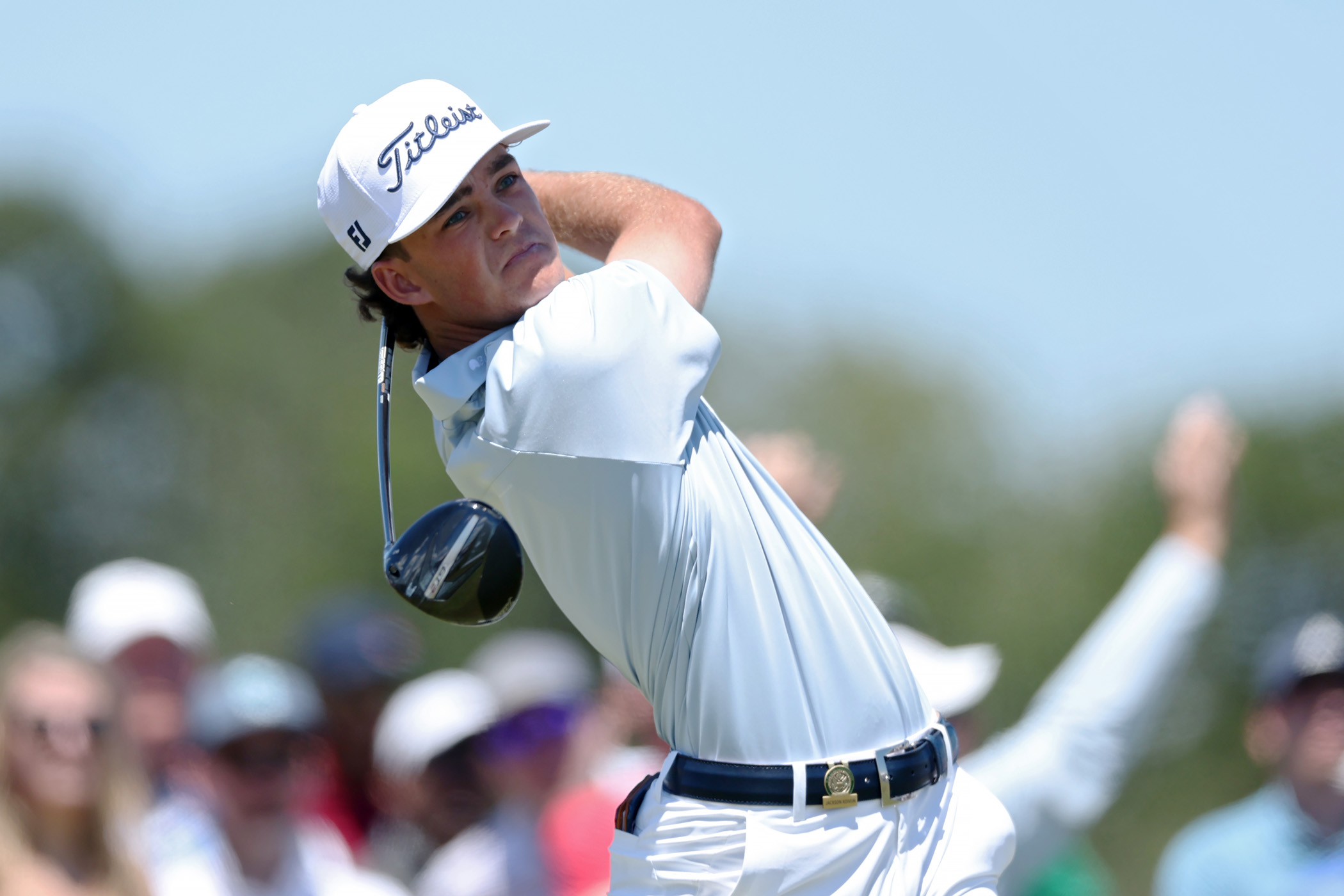
A little under 100 miles east, fog and fear rolled over Long Island, the morning sun feebly failing to breach either. James Nicholas, a tour pro raised back in Manhattan, perched over the opening tee at Shinnecock Hills just after 6.30am, launching a US Open that its state and nation, perhaps the world, have forgotten.
Colliding with both the World Cup and a Knicks championship is partially bad luck, but the United States Golf Association (USGA) seems to have given up. Even for a tournament founded on meritocratic brutality, they selected an infamously attritional, merciless course, at which only three players have ever finished below par across five US Opens. They capped daily attendance at Shinnecock at less than 30,000 including volunteers and staff – last year’s attendance at Oakmont was 40,000 fans daily – and still no ticket class has sold out on any day, despite “special combo ticket offers” including free tickets to watch the New York Mets or New York City FC. Gallery tickets for Saturday cost $289 (£218), reserved grandstand seats just shy of $900. Getting to the Hamptons is so difficult that some have paid $645 to get a helicopter 13 miles from East Hampton Airport to the course. Anyone who watched Nicholas’s tee shot would have turned off 30 minutes later as play was suspended by the viscous coastal haze. Not even Jackson Koivun, golf’s next prodigy playing his final amateur event, particularly seems to have captured hearts or minds.
This is a strange summer for non-football sports, everything existing in the World Cup’s vast orbit, scrabbling for scraps at the wasteland edge. Last Sunday local time, the Carolina Hurricanes won the Stanley Cup – the National Hockey League championship – and most bars in New York seemingly opted to show Ivory Coast v Ecuador instead. The US stumbling upon a functioning football team does not help – nothing seizes the American imagination like success.
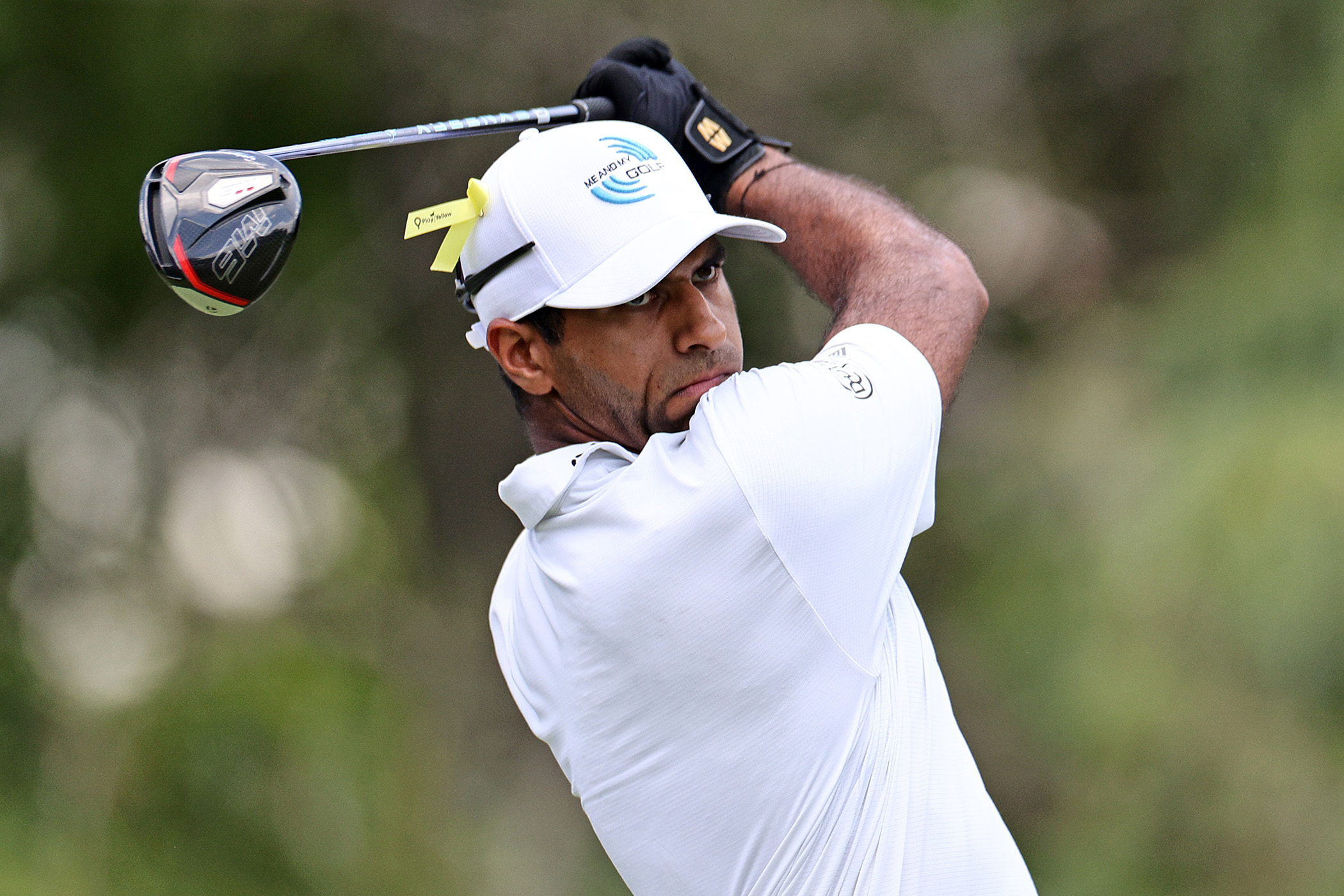
Back at Shinnecock, after two rounds Wyndham Clark led by four shots on seven under, the lowest 36-hole score at a Shinnecock US Open ever, but even he said he would spend his afternoon “watching the USA win”. Clark is one of the most disliked men in golf – an achievement in a sport still played by Bryson DeChambeau and Phil Mickelson – because he’s gobby and grating and irascible, because he gave a locker a boo-boo at Oakmont last year after missing the cut.
Proving golf really knows how to sell itself, its discourse this week has largely centred on two complex and tiresome administrative skirmishes: the ball rollback and a purported tier system for the PGA Tour. To briefly explain the rollback debate to the blissfully uninitiated: since 1996, average driving distances have increased by close to 40 yards. This changes what the sport is, its rhythms and obstacles, makes it staler and more homogeneous. Simply making courses longer requires more water and space, and, frankly, golf courses take up enough of the Earth as it is. The USGA, which controls the US Open and the rules of golf alongside the R&A, has spent a decade constructing its argument that balls should be engineered only to travel a certain distance. Its chief executive announced on Wednesday these changes will not be implemented until at least 2030, a concession from the initially planned 2028. The anti-rollback lobby – a real thing, including Donald Trump and many pros, but not Rory McIlroy, Tiger Woods or Jack Nicklaus – argue that the rollback will kill equipment manufacturers, because no 14-handicapper wants to buy balls or drivers that will cost them distance. At least this is ultimately about making the elite game more interesting and engaging, addressing a problem which has been festering for two decades.
The same cannot be said about the PGA Tour’s reported plan to announce a new two-tier structure, splitting the Tour into Track 1 and 2, the first featuring the best 120 players in 20 or so events, including the majors, with most tournaments featuring prize purses of $20m. But as McIlroy pointed out this week, splitting the Tour is largely a response to LIV Golf triggering a prize-money arms race, the same LIV Golf last seen asking every dictator with $5bn to waste to fund them even through to the end of next season. And so, in a week where football and basketball have torn chunks from golf’s viewership, it has passed the time by eating itself.
Photograph by Kate McShane/Getty Images
Newsletters
Choose the newsletters you want to receive
View more
For information about how The Observer protects your data, read our Privacy Policy