

This article first appeared as part of the Daily Sensemaker newsletter – one story a day to make sense of the world. To receive it in your inbox, featuring content exclusive to the newsletter, sign up for free here.
Andy Burnham has promised a “circuit breaker” moment to revitalise the UK after becoming the seventh prime minister in a decade.
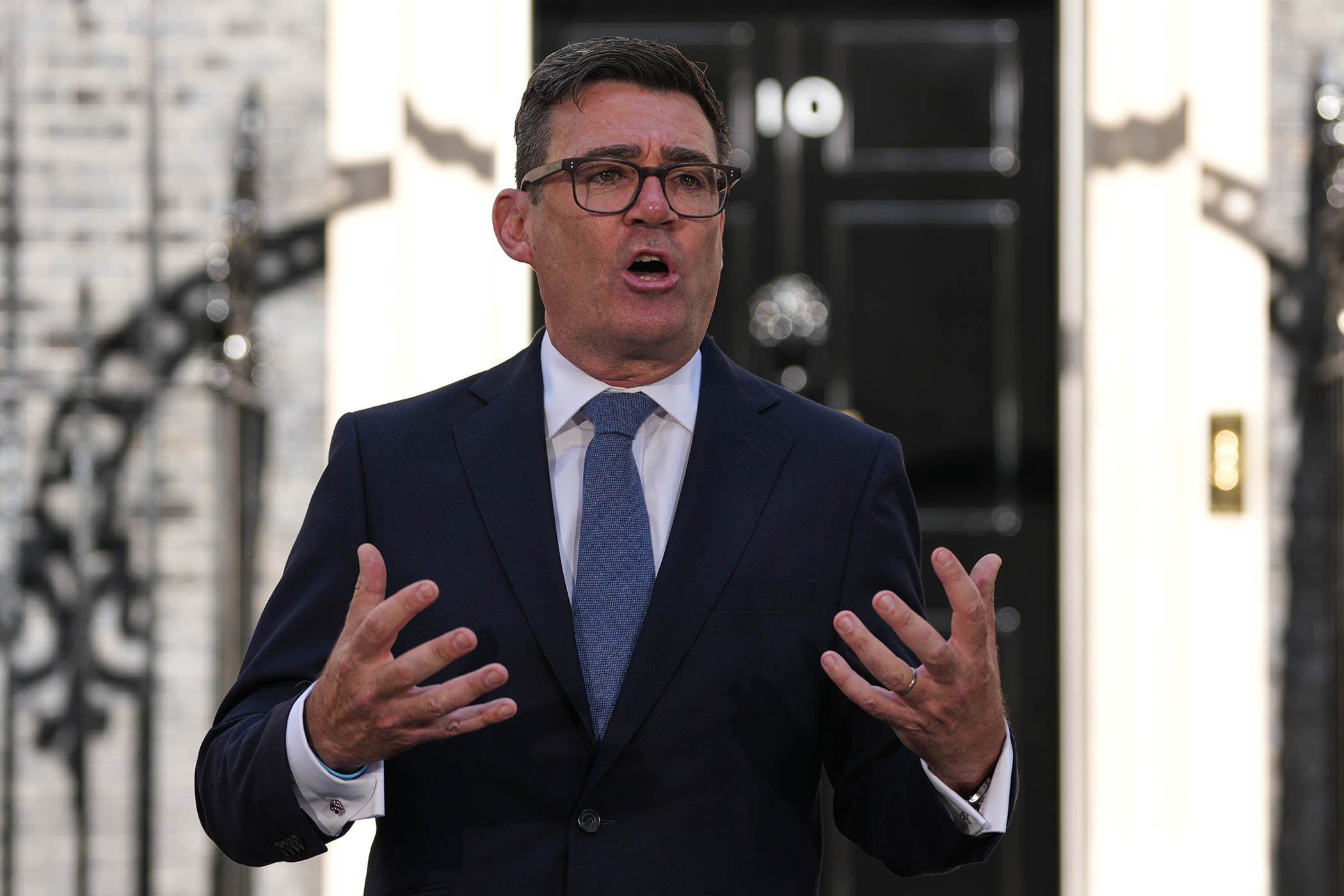
So what? Labour’s slow-motion coup has finally reached its climax. Now comes the hard part. In a speech outside Downing Street earlier today, given without notes, Burnham promised to
•
create a new political and economic model;
•
strengthen public control over services; and
•
take power out of Whitehall.
His speech was heavy on good vibes. Where Keir Starmer warned that “things will get worse before they get better” and spoke of inheriting a “societal black hole”, Burnham said he would “bring back hope” and forge “a new national sense of unity, common purpose and positivity”.
But it was light on detail. Burnham reiterated a pledge to build more council homes, while denouncing the “wrong turns” of the 1980s. His first concrete instruction as prime minister was to end rough sleeping – a cause he adopted in Manchester, without success. Several costed measures to tackle the cost of living will be laid out today, “to give people some breathing space”. But voters will have to wait for a “10-year plan” setting out a blueprint for deeper reform.
Guessing game. Labour MPs had been kept in the dark about Burnham’s personnel plans. Even cabinet ministers resorted to texting journalists to glean information about their futures.
Surprise of the day. Burnham’s pick for chancellor was subject to the most speculation. Ed Miliband and Shabana Mahmood were seen as the frontrunners. Instead the job went to John Healey, whose resignation as defence secretary helped force Starmer from office.
The thinking. His appointment signals Burnham is willing to rein in welfare to fund defence, something he has hinted at several times since re-entering parliament. Healey is also a more malleable figure than Milliband, who had the capacity to dominate Burnham’s domestic agenda, and more popular than Mahmood, whose hawkish approach to immigration alienated leftwing backbenchers. His cooperation will be key if Burnham is to succeed with his devolution agenda, which is a direct challenge to the Treasury’s power over the UK’s unusually centralised state.
Musical chairs. Milliband has been made foreign secretary, and Mahmood is staying at the Home Office. Yvette Cooper has become health secretary, while Burnham’s right-hand woman Louise Haigh was appointed first secretary of state and will run his cabinet operation. Former chancellor Rachel Reeves was reportedly offered a top job but declined.
Making friends. Burnham’s first phone call was with Donald Trump, who had previously dismissed him as the mayor of “some town” but has more recently applauded his apparent willingness to open new North Sea oil fields. He also spoke with Ukraine’s Volodymyr Zelenskyy and European Union chief Ursula von der Leyen.
Positivity is the message that voters want to hear. But radically re-wiring the British state will take time and money, two things in short supply in British public life. For all Burnham’s talk of a 10-year plan, over the last decade British prime ministers have lasted an average of two years in office, a level of job security similar to that of a Premier League football manager.
Much will hinge on Burnham’s aptitude for making unpopular decisions. As Manchester mayor, he railed against the machinations of Whitehall. In Makerfield he trounced Reform while keeping progressives on side. In Downing Street he will not be able to please everyone.
What’s more… With parliament in recess, Burnham can enjoy an extended summer honeymoon touring the country, getting to know his MPs and finalising his plans. After that, he will need to prove to voters that he can deliver, having set a high bar for himself.
What are your thoughts on this? Send us a letter to letters@observer.co.uk
Photography by Kirsty Wigglesworth / AP
Newsletters
Choose the newsletters you want to receive
View more
For information about how The Observer protects your data, read our Privacy Policy