
Andy Burnham will find his Downing Street in-tray filled with economic and social challenges. We asked eight experts how he should tackle them. In this analysis, Imran Shafi looks at AI. Click here for the rest of the series
When Andy Burnham was last in the Commons as an MP for Leigh, in 2017, AI could barely write this sentence. Now it has helped scientists win a Nobel prize. Back then, the FTSE 100 was worth about 25 times more than Nvidia, the chip manufacturer; today, you could buy every company in the index and still be $1tn short of Nvidia’s value.
Burnham enters Downing Street with a clear challenge: will this rapidly moving technology drive the next decade of British prosperity, or will we watch others capture it?
Our foundations are strong. Our talent is the best outside California. Our universities are world-class. The AI Security Institute gives Britain the sharpest read on where we are heading. The task now is to make this count.
First, urgency. The AI frontier moves in months, not years, and when change compounds, delay is deadly. The prime minister should appoint a senior political figure in No 10 with the authority to ensure every cabinet minister identifies opportunities, overcomes blockers and takes calculated risks to move forward. Ministers will face an inbox of today’s issues, but they must also govern for tomorrow. America’s technology companies now deploy almost $2bn a day. We cannot match that, but it should remind us of the pace at which we need to act.
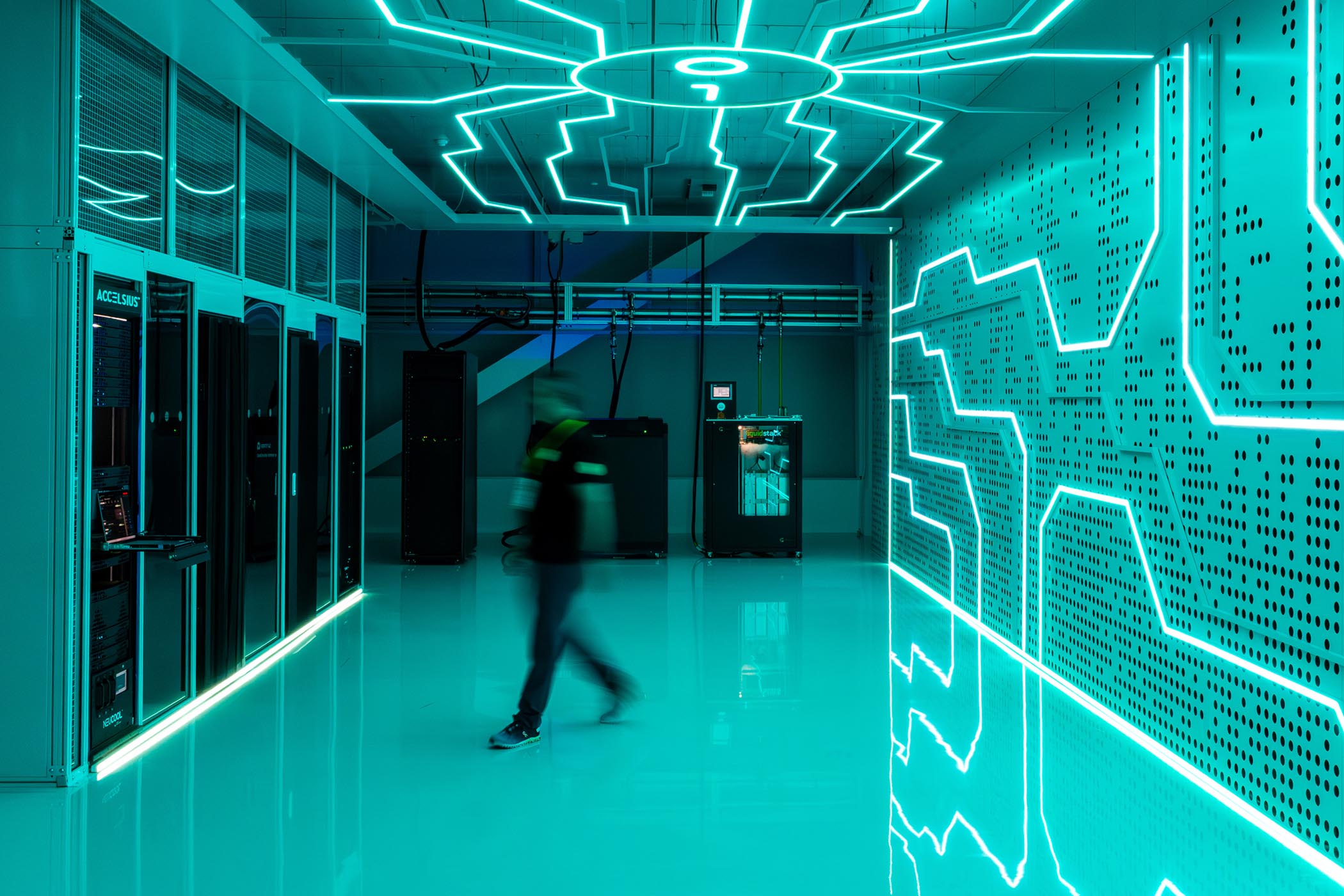
Secondly, we must tackle power. Our electricity is too expensive and, in an intelligence revolution, that amounts to a tax on thinking. At the same time, we pay hundreds of millions of pounds a year to switch off wind farms because we cannot get power from where it is generated to where it is needed. Rather than wasting that cheap, clean electricity, the government should let nationally important AI infrastructure projects locate nearby, contract directly for it at lower prices, and secure dedicated, firm supply so they can operate reliably.
While there are many competing challenges within our energy system, AI is becoming increasingly central to our security. Having sufficient processing power, such as the data centres and servers required for AI, within our borders will be just as vital to our country as building domestic vaccine factories was during Covid.
Thirdly, finance and partnerships. Fixing domestic power will take time, so we must be creative about staying competitive now. Europe has cheap renewable energy in the Nordic countries and Iberia that can come online quickly. The government should use UK export finance to support British-led projects across the continent and prioritise a technology partnership with our neighbours at the upcoming EU summit. Get this right and UK businesses – from pharma to manufacturing – could tap into that capacity while we build our own at home.
We should back our founders too. Britain has startups with ambition but not yet the balance sheet to match. Free government processing power for the most promising has been a good start, but it runs out fast. The next step is to make them bankable: individually, startups cannot sign long-term power contracts because lenders see too much risk, but pooled across a portfolio, that risk becomes manageable. The government should create a British business bank facility to stand behind these commitments. Not all ventures will succeed, so this will need thoughtful design to protect the taxpayer, but it could get British startups the capacity they need.
Most importantly, this has to work for the British public. Done well, AI is our best chance to bring good growth to every postcode. This won’t happen automatically. The new No 10 North should enable local areas that were previously told their best days were behind them to attract skilled jobs and investment, and then keep more of the benefits. A radical skills agenda should give people the confidence to use these tools rather than fear them. None of it will land unless the prime minister makes the argument himself, plainly and from the front: build this here, and Britain becomes more prosperous.
Newsletters
Choose the newsletters you want to receive
View more
For information about how The Observer protects your data, read our Privacy Policy
Our openness, inventiveness and institutions gives us a real advantage in a fracturing world. The prize is a generation of growth built on the most powerful technology we have ever seen. Burnham will need to move fast to seize it.
Imran Shafi OBE is UK Managing Director of Nscale and a former Director of AI Policy in the Government
What are your thoughts on this? Send us a letter to letters@observer.co.uk
Photograph by Jason Alden/Bloomberg via Getty Images
______________________________
Other articles in this series: