
This article first appeared as part of the Daily Sensemaker newsletter – one story a day to make sense of the world. To receive it in your inbox, featuring content exclusive to the newsletter, sign up for free here.
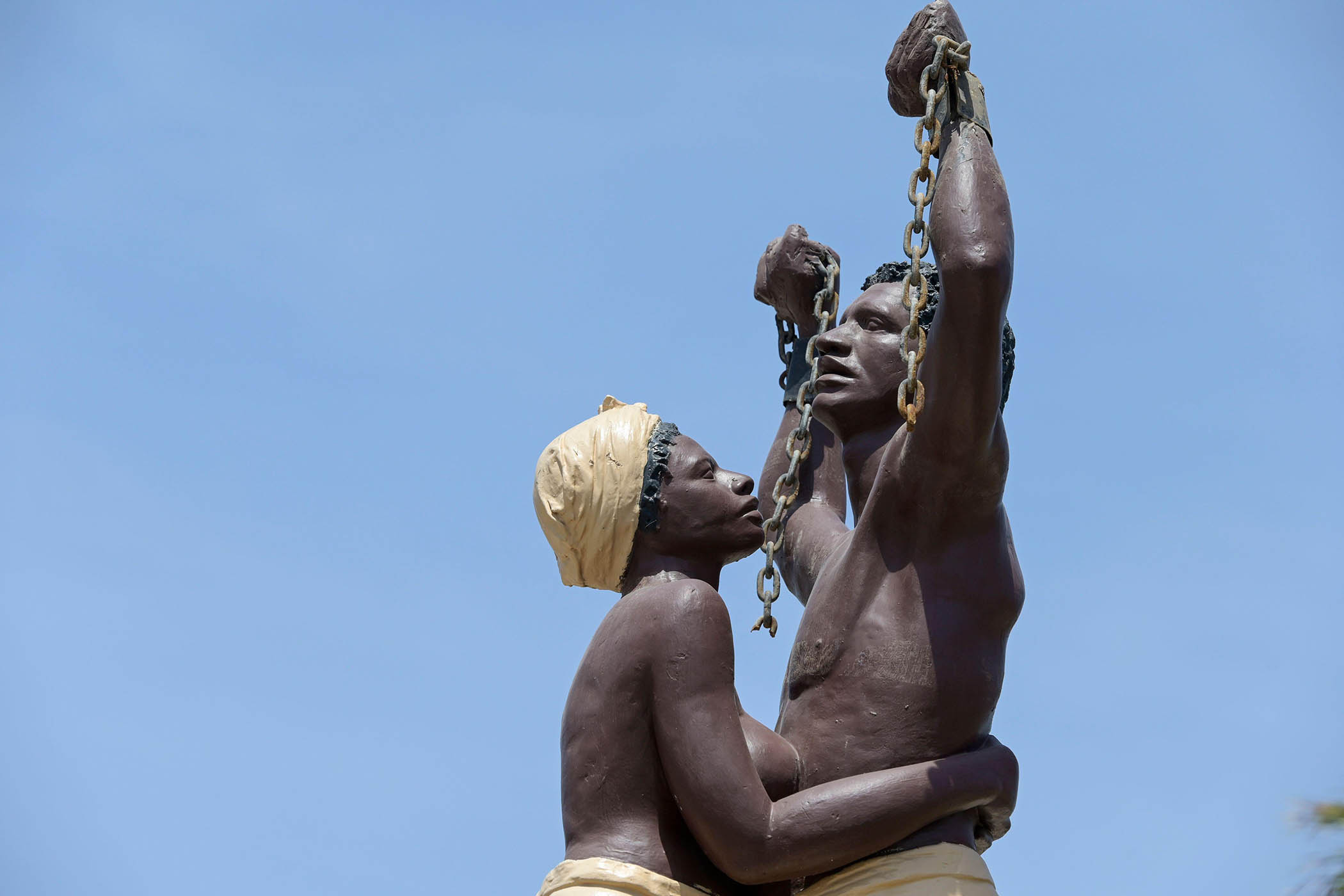
The UN general assembly last week voted in favour of a resolution recognising the trafficking of enslaved Africans as “the gravest crime against humanity” and calling for reparations.
So what? The ruling is symbolic, meaning countries cannot be forced to give compensation. But it remains a landmark victory for a movement that spans continents. The resolution
•
was put forward by Ghana;
•
received strong support from the Caribbean and Latin America; and
•
adds to growing calls for western nations to give reparations to the global south.
Long time coming. There have been calls for slavery reparations for more than a century, but they have recently taken on fresh momentum as institutions examine their historic links to the trade. The African Union has declared 2026 to 2036 to be its “decade of reparations”.
Ayes have it. More than 120 countries supported last week’s resolution. Another 52, including the UK and most of Europe, abstained. The US, Argentina and Israel voted against it.
What they said. The US did so on the grounds that slavery was “not illegal under international law” when it took place. The UK, for its part, said that countries should not create a ”hierarchy of historical atrocities”. António Guterres, the UN secretary-general, welcomed the resolution but called for actions that were “far bolder” than apologies.
The terrible trade. More than 12m enslaved Africans were taken from West and Central Africa to the Americas between the 15th and 19th centuries. Nearly 2 million died en route. Research indicates that the trade has had a lasting impact on Africa’s economic development.
Rough estimate. A 2023 report supported by the University of the West Indies estimated that reparations could amount to £80tn. These calculations accounted for factors such as
•
uncompensated labour;
•
mental pain and anguish; and
•
loss of liberty and personal injury.
For me, not for thee. After abolishing slavery across most of the British Empire in 1833, the UK borrowed £20m to compensate owners. The money was only repaid by the taxpayer in 2015. A UN judge later estimated that the UK owed more than £18tn for its role in the slave trade.
To compare. Germany paid more than £60bn to Jewish victims of the Holocaust and to the state of Israel after the 1952 Reparations Agreement was passed. In 2003, South Africa set up a fund for victims of apartheid crimes.
The Black Atlantic. Caribbean and West African nations have long been at the forefront of the global reparations movement. But they have not always agreed. Abdoulaye Wade, then president of Senegal, said in 2001 that the idea of financial reparations was “insulting”.
Mixed feelings. Views divide along racial lines in the UK. A recent YouGov poll found that 48% of white Britons “strongly oppose” paying reparations to countries impacted by the transatlantic trade, while 51% of Black Britons said they “strongly support” compensation.
Making amends. Although successive British governments have resisted the idea of reparations, some institutions have voluntarily tried to account for past actions. In 2019, Glasgow University committed to spending £20m to set up a Caribbean research centre.
It’s not all about cash. A common argument against reparations is that it is unclear to whom the money would go. In 2014, the Caribbean Community published a 10-point plan that instead prioritises a formal apology and educational programmes.
What’s more… It is likely that addressing the wrongs of slavery would have geopolitical implications. Russia has long tried to strengthen its ties to Africa and the Caribbean by highlighting racist elements of American and European history. Last week, Moscow’s Dutch embassy pointed to the UN vote as evidence of its continued “colonial thinking”.
Photograph by Joerg Boethling/Alamy
Newsletters
Choose the newsletters you want to receive
View more
For information about how The Observer protects your data, read our Privacy Policy