
This article first appeared as part of the Daily Sensemaker newsletter – one story a day to make sense of the world. To receive it in your inbox, featuring content exclusive to the newsletter, sign up for free here.
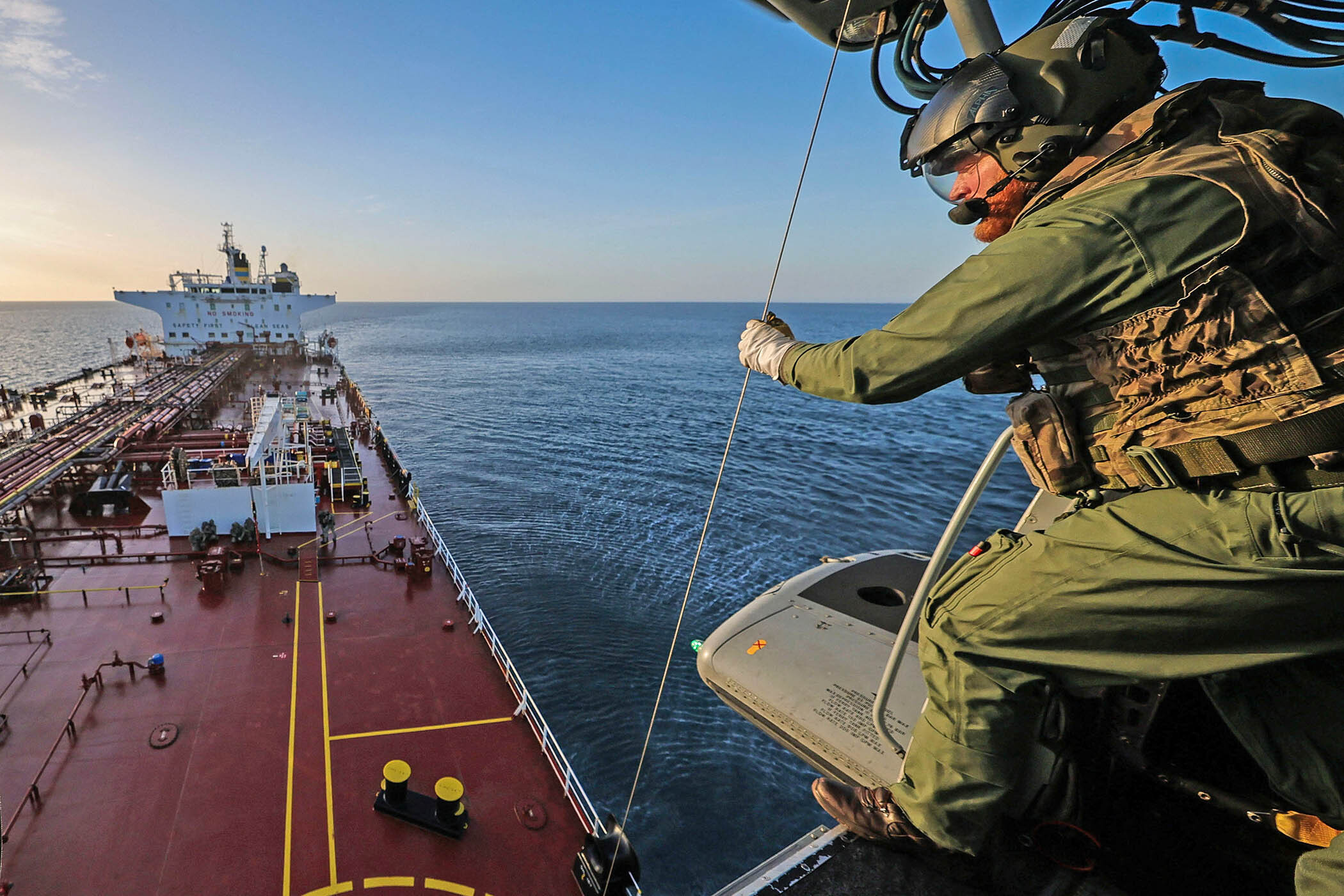
Keir Starmer has imposed sanctions on more than 20 Russian shadow tankers. The announcement came after Royal Marine commandos seized a Kremlin-linked vessel on Sunday.
So what? These measures are part of a game of maritime cat-and-mouse. The UK has now targeted more than 600 Russian-linked vessels, alongside American and European actions, in a bid to choke off the oil revenues that lubricate Vladimir Putin’s war machine. This approach
•
forms part of a broader sanctions regime;
•
has imposed relatively modest costs on Russia; and
•
is extremely difficult to enforce.
Ghost ships. The exact size of Russia’s shadow fleet is not known, but it is believed to comprise roughly 1,000 vessels. They operate outside of international law, hiding their locations, lying about their identities and regularly changing their flags. They are owned through obscure front companies and often lack insurance, a legal requirement on the high seas.
Broader trend. These tactics were pioneered by North Korea and are also used by Iran and Venezuela, something that has distorted the shipping sector: according to S&P Global, ghost ships now make up 19% of the global tanker fleet. Since they tend to be decrepit and old, they pose a significant environmental risk. Their primary destination is China.
Underhand. Russia has spent $10bn building its shadow fleet since the start of the Ukraine war, and these vessels now carry 75% of the country’s oil exports – helping the Kremlin evade a Western price cap aimed at limiting its oil revenues.
Multi-taskers. Kremlin-linked ships are also believed to engage in grey zone warfare, such as severing undersea cables and disrupting traffic at European airports with drones.
Enforcement. Ukraine is attacking Russian shipping, an option not open to its allies. European allies have focused on checking insurance documents and beefing up patrols in the Baltic, the main transit point. Seizures also form part of this strategy, although cracking down is difficult, not least because maritime law guarantees “innocent passage” through territorial seas.
Slow to act. The UK announced it would start boarding shadow ships in March. But between then and Sunday’s operation, some 200 vessels passed through the Channel.
The main reason: the British Navy is stretched thin and lacks the capacity to stop them all.
Case in point. The recent American blockade against Iranian ports involved 10,000 service members, a dozen warships and 100 aircraft – and some shadow vessels still slipped through the Strait of Hormuz, which is about the same width as the Strait of Dover at its narrowest point.
Scenic route. Even if the Channel were successfully blockaded, Russian shadow ships could simply go north around Scotland. Meanwhile Moscow has indicated it could respond to further seizures. Yesterday, a Russian warship, which has reportedly been escorting shadow ships through the Channel, fired warning shots at a yacht crewed by a British couple off the Isle of Wight.
Abort, abort. Estonia has already stopped its own seizures for fear of escalation.
Layover. Holding ships once they’ve been boarded is another headache. This is partly because European countries have used a law that allows them to inspect vessels flying false flags – an infraction usually punished with fines, which was the case with two tankers that were seized by France earlier this year and then sent on their way after a few weeks.
Upshot. All this means British commandos are unlikely to start seizing Russian ships en masse.
Numbers game. UK and EU sanctions have caused a 30% decline in the productivity of shadow vessels, according to data firm Kpler. This isn’t nothing, especially because most of Putin’s war chest comes from oil revenues. But it does underline the difficulty of enforcement.
What’s more… American sanctions are much more effective, cutting cargoes by 70%, but Donald Trump has not imposed any new ones since coming to office 18 months ago. He has also lifted US restrictions on Russian crude to alleviate the damage caused by his war in Iran.
Photograph by Ministry of Defence/ AFP via Getty Images
Newsletters
Choose the newsletters you want to receive
View more
For information about how The Observer protects your data, read our Privacy Policy