
This article first appeared as part of the Daily Sensemaker newsletter – one story a day to make sense of the world. To receive it in your inbox, featuring content exclusive to the newsletter, sign up for free here.
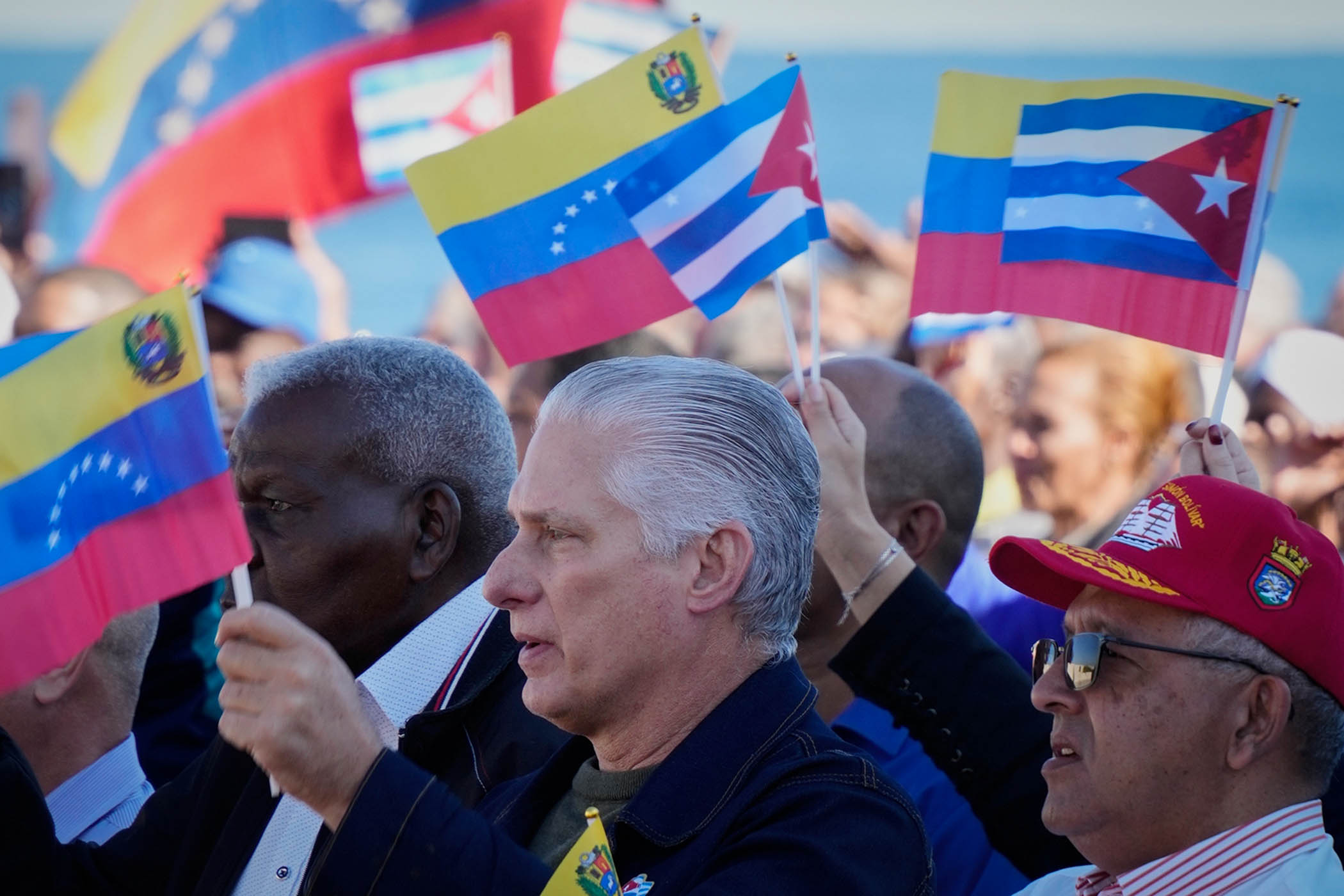
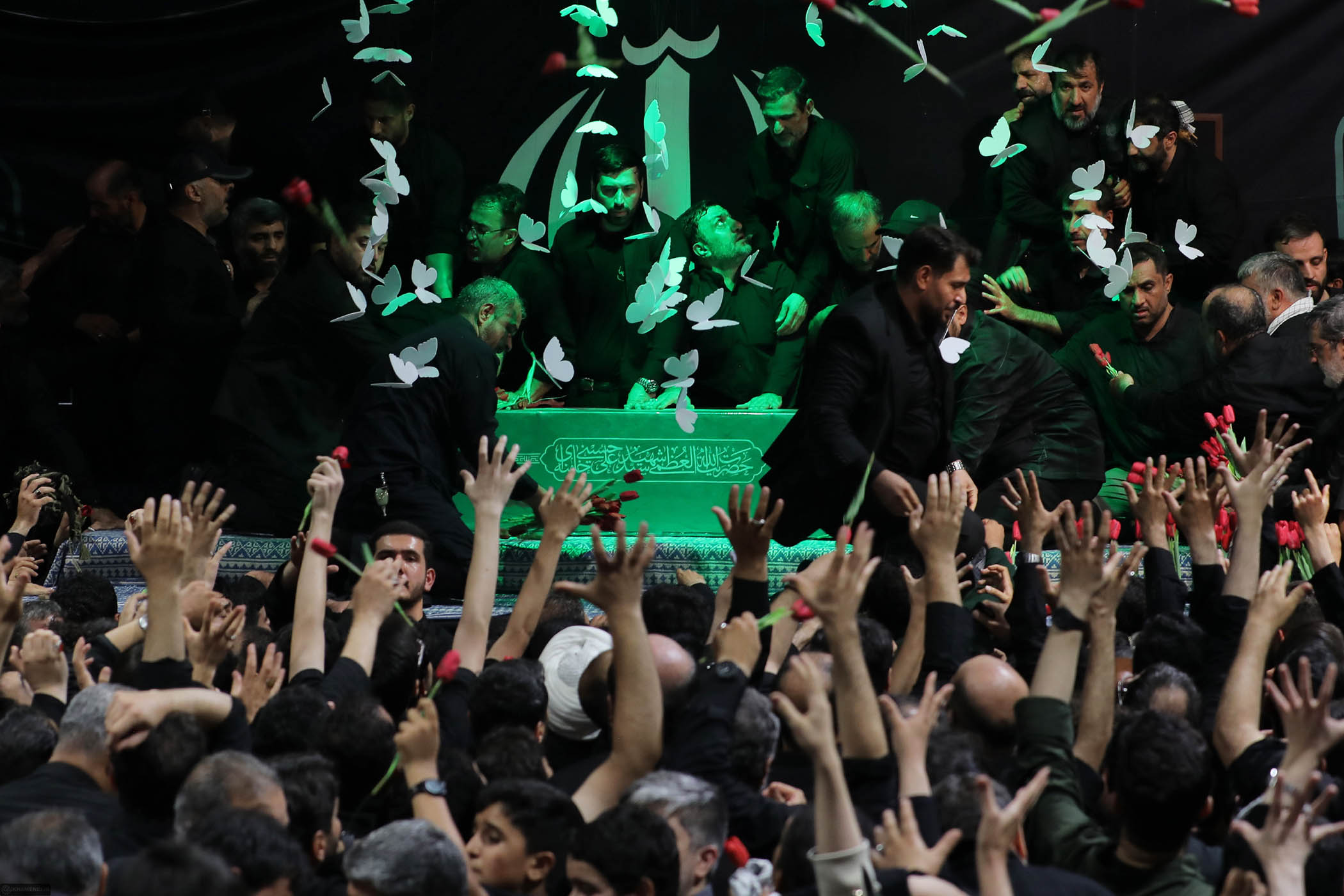
Cuba is observing two days of mourning after 32 members of its military and intelligence agencies were killed in the US strike that captured Venezuelan president Nicolás Maduro.
So what? The size of the death toll highlights the depth of Cuba’s alliance with Venezuela, an ideological partnership underpinned by the exchange of cheap Venezuelan oil for Cuban security, medical help and other support. With Maduro gone, Havana now faces
•
the cutting of this important lifeline;
•
a deepening of its economic crisis; and
•
threats of military action from the US.
Upping the ante. After the strikes on Venezuela, the Trump administration immediately warned that Cuba could be next. US secretary state Marco Rubio called Cuba a “disaster” run by “incompetent, senile men”, adding “if I lived in Havana and was in the government, I’d be concerned.” Donald Trump followed up by saying “Cuba looks like it is ready to fall”.
Sounding the alarm. This is an overstatement, but Cuba is certainly worried. On Sunday its foreign minister, Bruno Rodríguez Parrilla, told an emergency meeting of regional states that Maduro’s capture “places us in a critical existential dilemma for our survival as nation states and independent, sovereign nations”.
Mutual interests. The alliance between Cuba and Venezuela, both run by Marxist-Leninists, stretches back to the early 2000s. Venezuela started shipping some 100,000 barrels of oil a day to Cuba, helping save it from economic ruin after the collapse of the Soviet Union. In return, Cuba sent doctors to treat poor Venezuelans while its military shored up the regime in Caracas.
Bedfellows. The countries grew so close that Hugo Chávez, Maduro’s predecessor, referred to them as “the Big Homeland”, rather than separate nations. He regularly flew to Havana to discuss world events and play baseball with Fidel Castro, and he hosted the Cuban leader’s 75th birthday celebrations in Caracas, leading thousands in a rendition of “Happy Birthday”.
If it ain’t broke. The relationship continued after the deaths of Chávez and Castro. Assistance from Cuba helped the Venezuelan president see off mass protests in 2019, and as the Trump administration ramped up pressure on Venezuela in recent months, Maduro reportedly increased his reliance on Cuban bodyguards. The high Cuban death toll on Saturday revealed the extent of Cuba’s influence over Venezuela’s military.
Dominos. Oil exports to Cuba have plummeted in recent years – to 16,000 barrels a day – as Venezuela’s oil sector crumbled under mismanagement and sanctions. But Trump administration officials still see regime change in Venezuela as crucial to weakening Cuba.
Driving force. Chief among them is Rubio, the Miami-born son of Cuban migrants who settled in Florida three years before the success of Castro’s revolution. He has long called for an end to communist rule in Cuba and even launched his 2015 bid for the US presidency outside a building that once processed Cuban refugees fleeing Castro’s regime.
Newsletters
Choose the newsletters you want to receive
View more
For information about how The Observer protects your data, read our Privacy Policy
To invade or not to invade. A US military intervention in Cuba seems unlikely, even under a president as impulsive as Trump. The island is just 90 miles from the US. Any chaos there would trigger a wave of refugees bound for American shores. Unlike Venezuela, it has no oil. And the memory of the Bay of Pigs debacle in 1961 still looms large in US foreign policy circles.
Teetering. But the Cuban regime remains vulnerable. The pandemic set back the revival of its tourism industry, depriving it of a key source of foreign exchange and causing inflation to soar. Even before Trump imposed an oil embargo on Venezuela, Havana was coping with frequent power and water outages. About 89% of Cuban families live in extreme poverty.
Next steps. The success of the operation in Venezuela could embolden Trump to turn the screw. He has already imposed tighter restrictions on American travel to Cuba and could seek to persuade Delcy Rodríguez, Venezuela’s new interim leader, to end oil shipments altogether.
Calculus. It’s far from certain whether Rodríguez will play ball. She is a stalwart of the Venezuelan regime and has condemned US officials as “extremists”. But with Trump warning she could suffer a worse fate than Maduro “if she doesn’t do what’s right”, she will have drawn her own lessons from the failure of Cuban forces to protect her predecessor.
What’s more… With the Republicans flagging in the polls, Trump has an eye on November’s US midterm elections. More pressure on Havana would play well with politically important Cuban voters in Florida and elsewhere.
Photograph by Ramon Espinosa/AP Photo