


This article first appeared as part of the Daily Sensemaker newsletter – one story a day to make sense of the world. To receive it in your inbox, featuring content exclusive to the newsletter, sign up for free here.
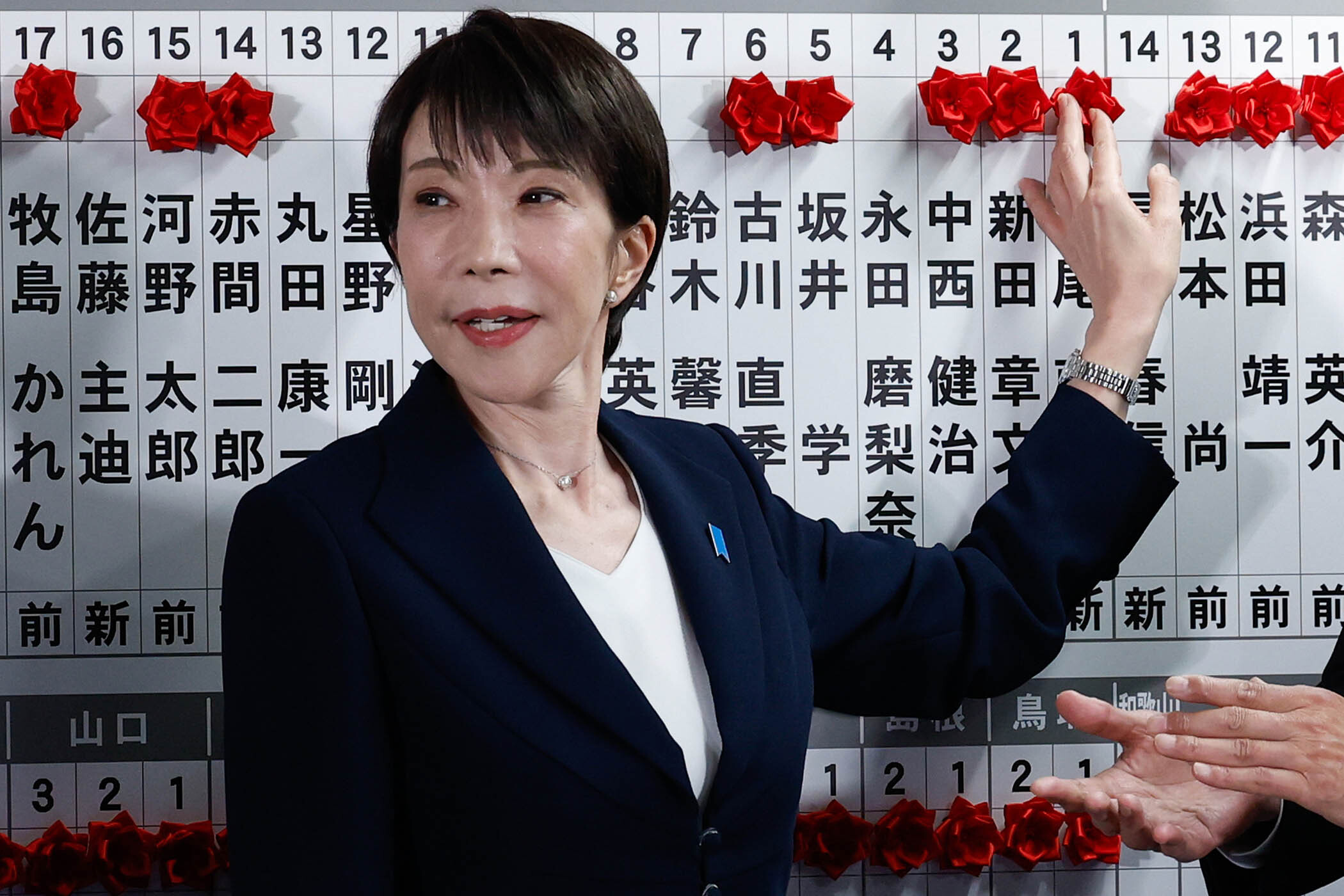
Japan’s first female prime minister, Sanae Takaichi, has pledged to build a “stronger, more prosperous” country after a landslide election win on Sunday.
So what? She has the mandate. Takaichi’s decision to call a snap vote has paid off more handsomely than she could have imagined. Her ruling LDP party secured 68% of the seats in the lower house, the highest share in its 70-year history. The focus will now be on
•
addressing record immigration;
•
kickstarting an economy with high debt and a stubborn public deficit; and
•
building up Japan’s military to defend against security threats from Beijing.
Victory. Takaichi became prime minister in October after winning a party leadership contest, but lacked a parliamentary majority. Now she has translated her personal approval rating of about 70% into a mandate large enough to push through major legislation.
Comeback kids. It represents a remarkable turnaround for the LDP, which had governed Japan for almost seven decades without interruption but become deeply unpopular.
Spend, spend. Takaichi is a fan of Margaret Thatcher. But unlike the Iron Lady, she has a taste for heavy metal and is a proponent of fiscal stimulus, favouring government spending to boost an economy struggling with low growth, soft consumption and an ageing population.
Policy platform. Takaichi has already pushed a record supplementary budget of roughly $118bn through parliament. She is also promising to cut taxes and reduce inflation. Markets reacted positively to her victory, with Japan’s main stock index reaching record highs.
Perils. But the prime minister’s economic plans will add to Japan’s debt pile, which is the largest in the developed world at more than 200% of GDP. Meanwhile, economists believe that increasing spending while lowering taxes could further depress the value of the yen, which has already slumped to a nadir against the pound and dollar.
Giant next door. One reason for Taichi’s popularity is her apparent willingness to stand up to China. Shortly after taking power, she said an attack on Taiwan would represent an “existential crisis for Japan” and suggested she would intervene.
Empire strikes back. Beijing reacted with fury, banning Japanese seafood imports and forcing Chinese airlines to stop flights, but Takaichi stood firm. She has also worked to deepen ties with other regional democracies. Last month she played a K-pop drum session with her South Korean counterpart at the end of a diplomatic summit.
Newsletters
Choose the newsletters you want to receive
View more
For information about how The Observer protects your data, read our Privacy Policy
Stick or twist. The question now is whether she will look for a compromise with Beijing or play hardball with Japan’s most powerful neighbour and largest trading partner.
The calculus. Since the Second World War, Japan has relied on the US for security. With Donald Trump in the Oval Office, these guarantees have gone. The scale of Takaichi’s victory means she could address Japan’s pacifist constitution. She has repeatedly said that she wants to repeal an article that prevents the country from building a military with offensive capabilities.
Threshold. This has long been the dream of many politicians on the right. China’s rise as a military superpower has only made the issue more urgent to them. But the bar for amending Japan’s constitution is high. Takaichi would need to win a two-thirds majority in both houses of parliament, and then the decision must be put to the public in a referendum.
Talking tough. The prime minister also wants to take a firmer line on immigration. She has proposed stricter criteria for naturalisation and Japanese language tests for migrants.
Unrepresentative. With visitor numbers hitting 42m last year, it is not difficult to find tourists behaving badly at popular sights. But most of the nearly 4m migrant workers in Japan are from other Asian countries and they work hard to assimilate. Many fear they are no longer welcome.
What’s more… Takaichi’s voters will be expectant. Her conservative approach to immigration saw off Sanseito, a far-right party that has grown in popularity and won 15 seats on Sunday.
Photograph by Kim Kyung-Hoon/Pool/ via AP