

This article first appeared as part of the Daily Sensemaker newsletter – one story a day to make sense of the world. To receive it in your inbox, featuring content exclusive to the newsletter, sign up for free here.
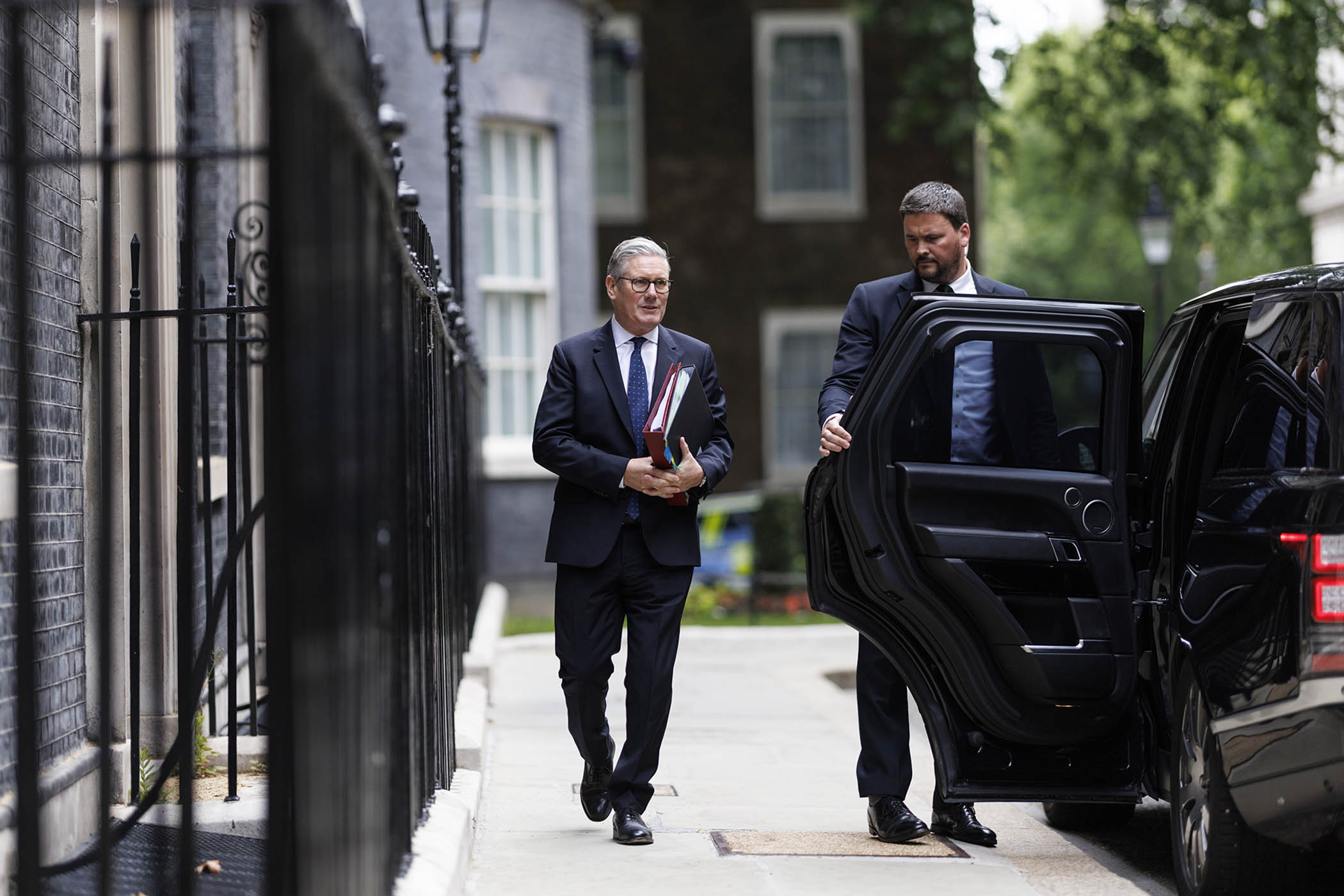
Royal Marines descended from a helicopter in the early hours of Sunday to seize a Russian shadow oil tanker in the Channel. Keir Starmer said the operation was a reminder to “those fuelling Putin's war in Ukraine that we will not let them hide."
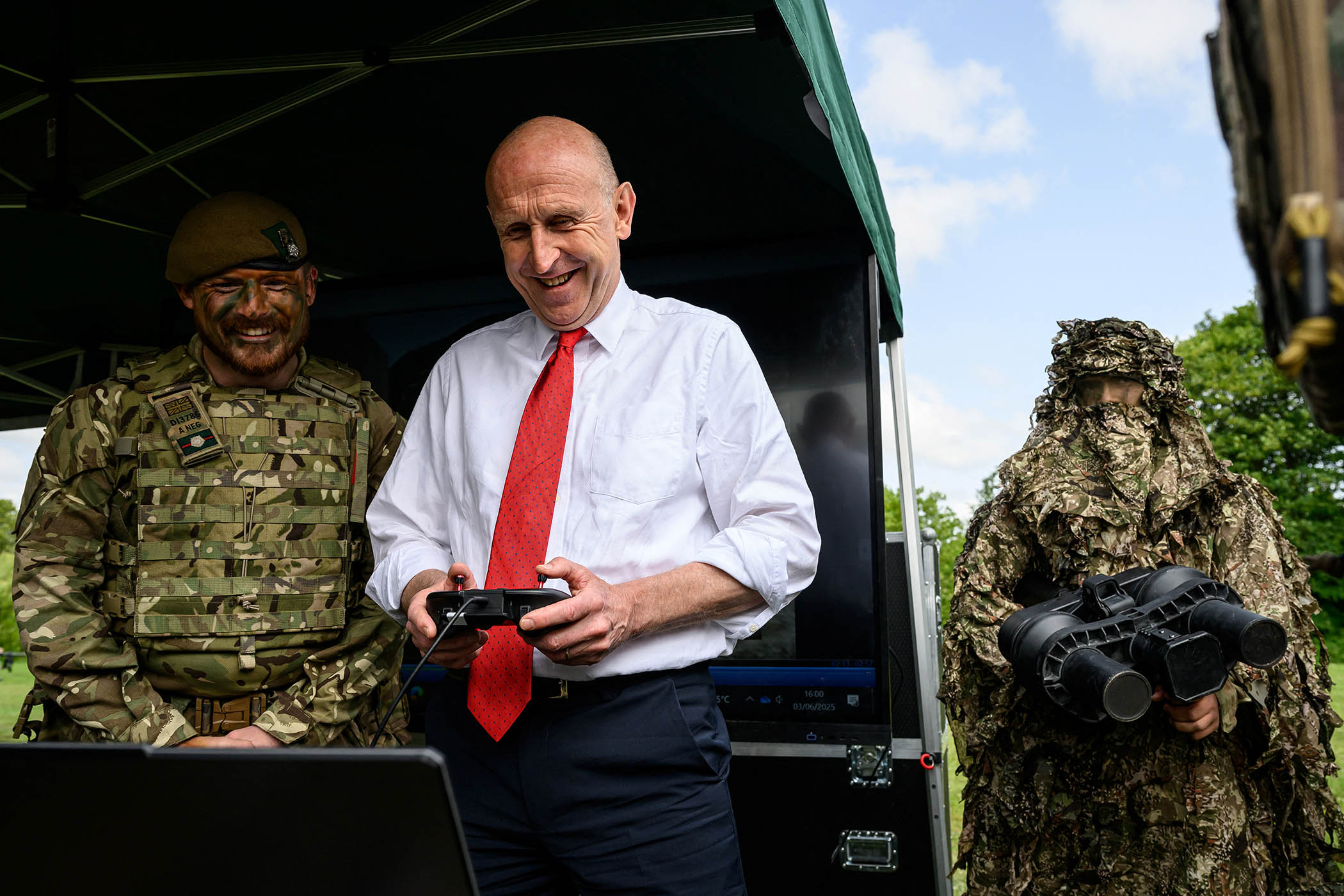
So what? The timing could hardly be better for the prime minister. He is keen to appear strong on security after the resignations of his defence and armed forces ministers, who stepped down over the mishandling of a long-awaited investment plan. Their departures
•
undermine the prime minister’s already weakened authority;
•
leave Starmer open to criticism that he is not serious on defence; and
•
could make defence spending a feature of the expected Labour leadership contest.
How we got here. The investment plan will lay out how the UK intends to fund new military hardware and infrastructure over the next decade. It had been held up by a fight over funding. But Number 10 was suddenly in a race to publish it before Thursday’s byelection in Makerfield, which could spark a leadership contest as early as this weekend if Andy Burnham wins.
Pocket money. This led to defence secretary John Healey being told last week he had not secured the desired £18bn funding commitment but £13.5bn, of which £10bn was new money.
Painful reading. In his resignation letter, Healey told Starmer that he was putting the country’s security at risk at a “time of rising threats”, while armed forces minister Al Carns described the plan as "neither transformative enough nor sufficiently funded". Former military chiefs and political opponents also weighed in to punch the government's bruises.
The pretender. Andy Burnham, meanwhile, was quick to say he would cut welfare spending to fund defence, a course of action that Starmer has been reluctant to take.
Expectations vs reality. The backdrop to all of this is Labour’s commitment to reach a Nato target of spending 3.5% of GDP on defence by 2035, up from 2.6% currently. The settlement proposed by the government represents an increase of just 0.08%, according to Healey.
Tooling up. The contrast to other parts of Europe is stark. Poland now spends nearly 5% of its GDP on defence, and Germany has loosened its strict borrowing rules as it aims to build the largest land force in Europe. Like others, both are motivated by the threat of Russia: Nato military chiefs believe Moscow will be capable of attacking the alliance by 2029.
Dragged feet. But the UK has been unable to decide how much money to spend or what to spend it on. This is partly because the Treasury is unnerved by bad past procurements, such as the £5.5bn Ajax armoured fighting vehicle programme, at a time when money is tight.
Old battles. There are also concerns that the plan is too focused on traditional kit, like tanks and ships, rather than the drones and other military gear that have proved pivotal in Ukraine.
Welcome distraction. There will be questions about the timing of the seizure of the oil tanker. Starmer announced in March that the military had the green light to board sanctioned Russian vessels, but since then dozens have passed through British waters – even as other countries, including France, apprehended Russian-linked ships.
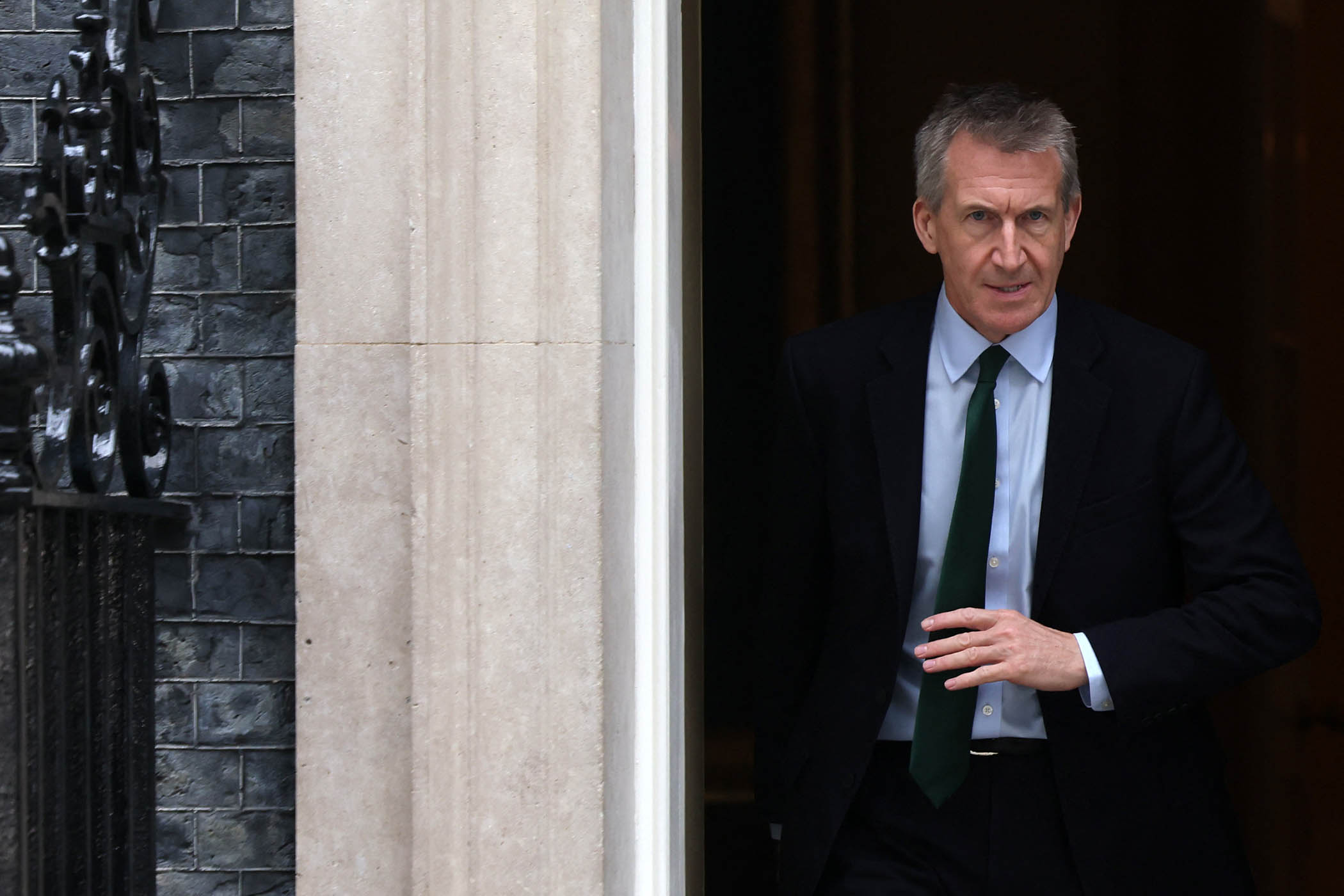
What’s more… With a Nato summit around the corner, there is pressure on the new defence secretary, Dan Jarvis, to beef up the investment plan. But since a leadership contest is possible before those leaders gather, it may yet be put on ice.
Photograph by Leon Neal/AFP via Getty Images
Newsletters
Choose the newsletters you want to receive
View more
For information about how The Observer protects your data, read our Privacy Policy