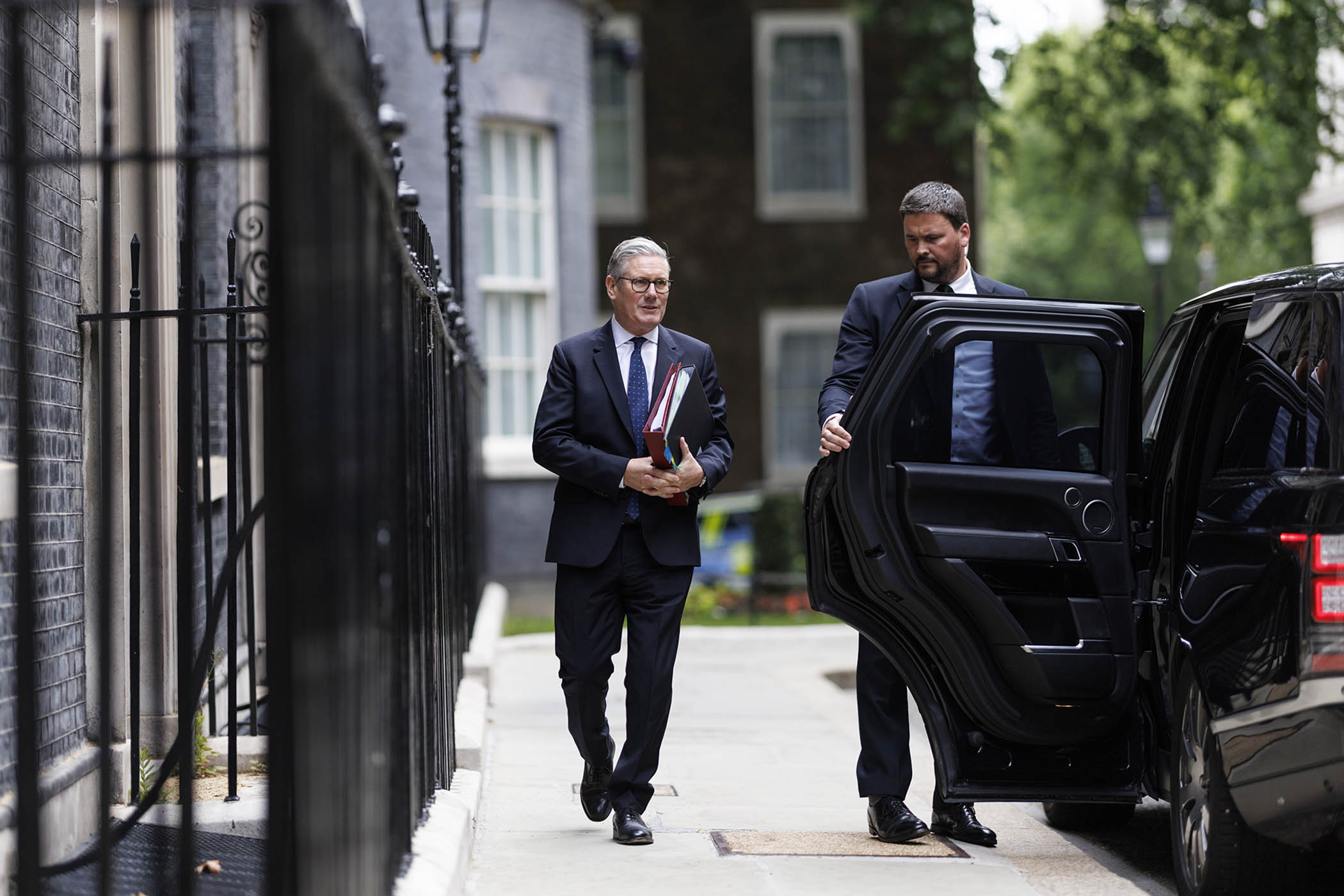

For all the criticism aimed at Keir Starmer in these bitter and angry days, nobody can really accuse him of not doing his best.
At a time when many in his party focus their attention on the prospect of a leadership challenge, those who work closest with him describe almost with awe the dutiful diligence he has shown in his approach to the real challenges facing the country,
An aide described how she arrived in a nearly deserted Downing Street on a recent weekend – one during which speculation intensified about his imminent ousting from the building – to find “the PM hunched over the spreadsheets” for the defence investment plan (Dip), “going through it line by line, over and over again”.
Another recalled how Starmer used parliament’s Whitsun recess last month to “dig out all the papers on the Dip and reread them to see if there was anything that had been missed or there was something more that he could do”.
Instead, the charge levelled against him last week was that “trying his best” was simply not good enough.
On Thursday morning, John Healey resigned as defence secretary over what he said was the failure to commit the minimum funding required to keep Britain safe. While complaining that the Treasury had been “unwilling” to provide the money, the most devastating word in his resignation letter was reserved for Starmer, whom he described as “unable”.
The prime minister was not in Downing Street to receive Healey’s missive. Instead, he was at his official retreat at Chequers to work through a pile of strategy notes and find some desperately needed “headspace” where he could think things over, on his own.
He certainly had not expected his defence secretary to quit. Although the two men had spoken the previous night, when Healey made plain his unhappiness about the proposed settlement, there were greater resignation concerns about other cabinet ministers, including Shabana Mahmood and Ed Miliband.
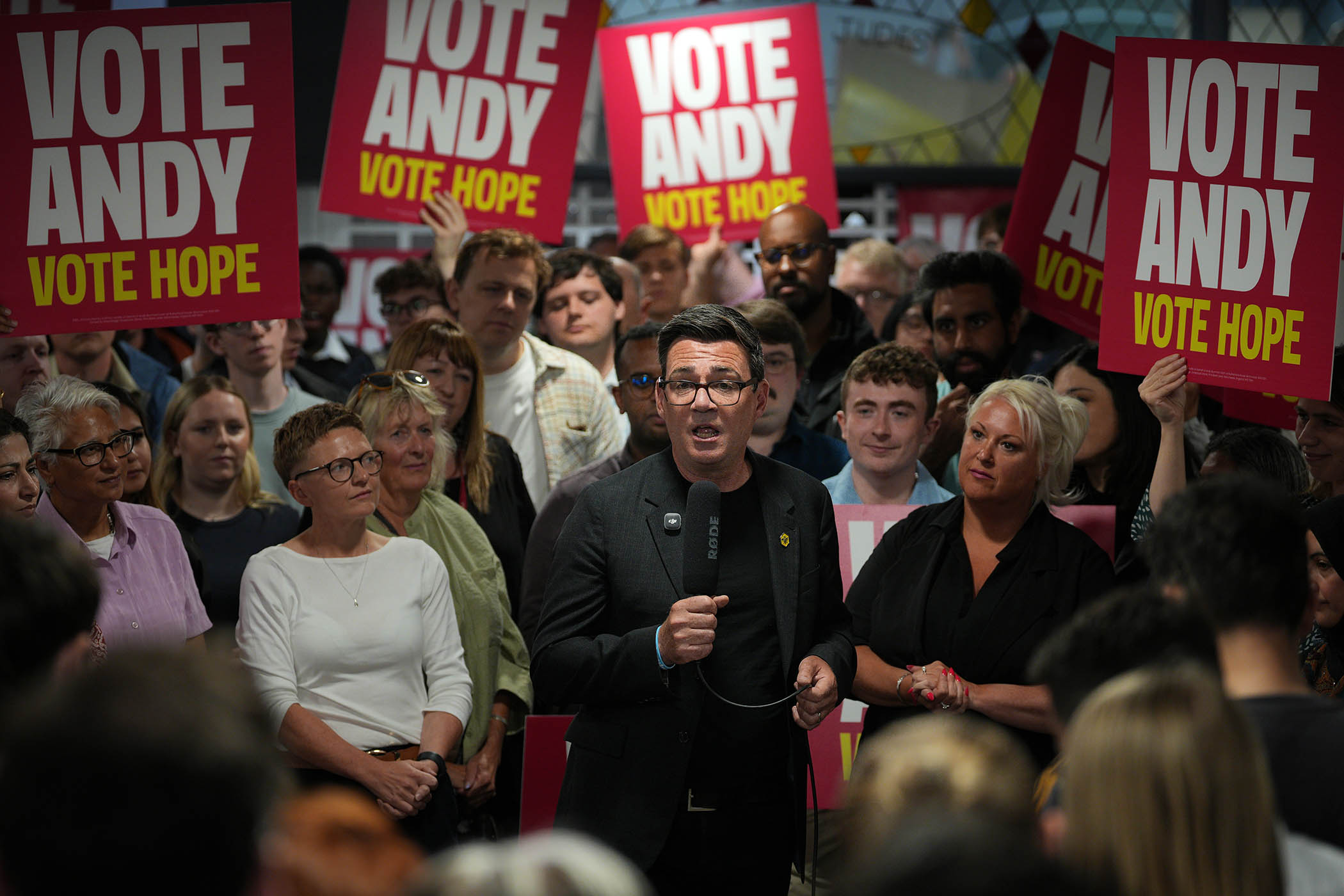
Both had resisted cuts in their budgets to pay for more defence funding and are thought to be ready to back an Andy Burnham leadership run if the Greater Manchester mayor wins the Makerfield byelection this week.
It was perhaps also symbolic that the prime minister was alone when his most senior aide phoned shortly after 11am to tell him about Healey’s letter. If the departure of this erstwhile ally leaves Starmer looking more isolated than ever, that is partly because he has always had a rather solitary approach to politics. He has sometimes spoken about his dislike of the noisy cacophony of Westminster or how he tries to “shut it out” so that he can focus on what really matters.
Newsletters
Choose the newsletters you want to receive
View more
For information about how The Observer protects your data, read our Privacy Policy
And some of his ministers say that this is precisely the problem. Having long complained about Starmer’s reluctance to communicate a “vision” to the public outside, they have begun extending their critique to how he operates inside the government too. “You don’t solve much sitting on your own with spreadsheets,” said one. “You do it through your relationships, by building a team and winning your arguments. All of this is fundamental to the craft of politics.”
But Starmer’s inner circle, which seems to be shrinking and tightening with every passing month, strongly contests any suggestion that the prime minister’s efforts on the Dip had been fruitless. Already committed to the biggest sustained increase in defence spending since the end of the cold war, the Treasury had balked at offering more than £6bn for further investment because it feared doing so would affect programmes vital for economic growth.
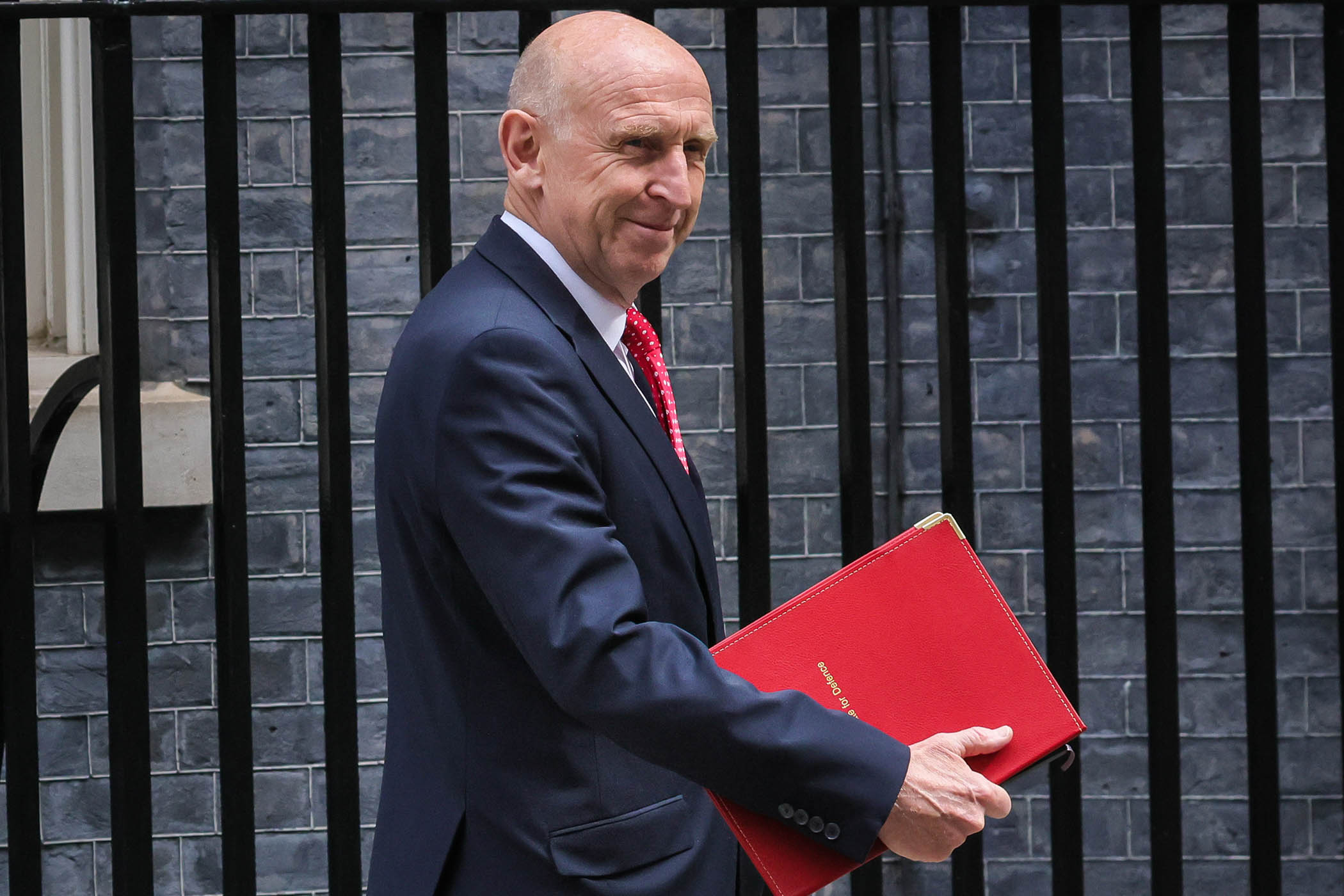
Former defence secretary John Healey
But Starmer succeeded both in paring back some of the cost of the defence projects – which have not always provided much bang for bucks – as well as forcing through reductions in every other department’s capital budget. The total package being offered for new military equipment of £13.5bn was not enough for Healey, but nor was it nothing.
Starmer’s advisers argue that it “took some guts” to impose cuts on cabinet colleagues who may be looking for any excuse to move against him. One said: “I really don’t think anyone else – doing anything else – could have got more.”
There is also muffled criticism of Healey that echoes the claim from Al Carns, who followed Healey’s exit by quitting as armed forces minister last week, about how they would have spent money on the wrong things.
A senior Downing Street source suggests that the new defence secretary, Dan Jarvis, “might now want to look at reallocating up to £5bn for the cybertechnology, drones and AI required in modern warfare” that had previously been reserved for Healey’s “red-line priorities of improving military housing and increasing the size of the army”.
Even the most loyal members of the No 10 team, however, do not bother to dispute that last week’s events have been another heavy blow for a prime minister already on the ropes.
Until Healey’s resignation, the strongest case they could make in Starmer’s defence was that he had got the big calls right on national security, while his continued presence in Downing Street was a bulwark against descending into the chaos and instability that characterised the last years of the Tory government. Both claims have, at the very least, now been thrown into doubt.
A fightback plan, launched only last weekend with a barrage of texts and calls to allies, is already stalling. “Keir’s feeling a bit battered to be honest,” said a close friend. “He really cares about national security and hates anything saying he would put it at risk. And he’s been hurt by some of the feedback from people when he has asked them for his support. This is all so, so, so hard for him now.”
For several months, Starmer has been operating with key posts left vacant. Some of the staff in Downing Street also feel a bit demoralised. “I’m not in the room where it all happens,” one of them said last week, before adding with dark humour. “But I’m not even sure there is a room.”
Last Monday, when Starmer assembled groups of junior ministers around the cabinet table to convince them of his determination to carry on, one of those present said it just felt awkward. Sidelong glances were exchanged as he began extolling the virtues of a policy to the minister responsible for implementing it.
This prime minister certainly does not make politics look effortless and will never fit most people’s idea of an inspiring or charismatic leader.
But the reality facing government in this era – fragile public finances, faltering living standards, failing public trust and a new era of global disorder – is only ever going to be grindingly difficult. That won’t change, whoever is in charge.
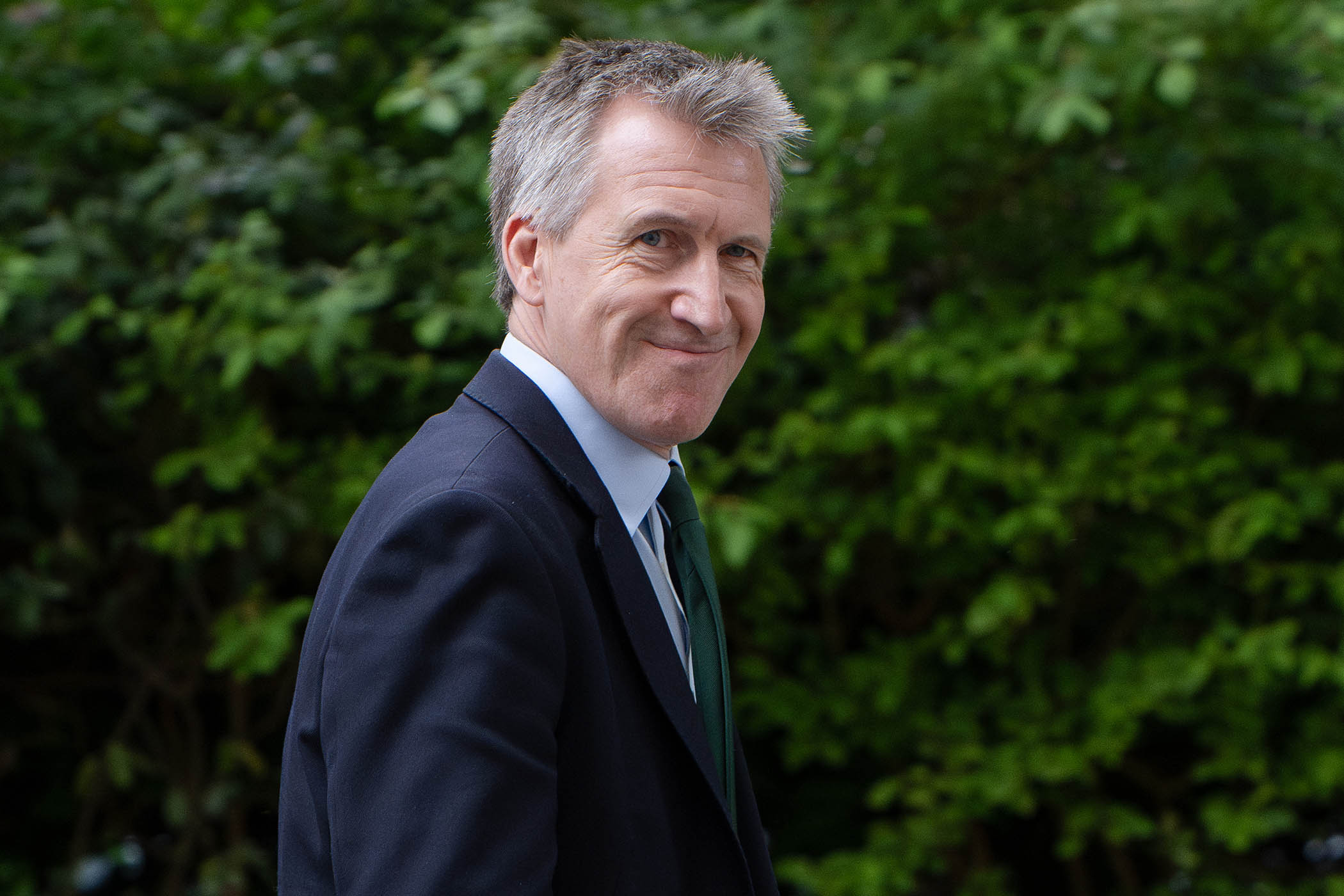
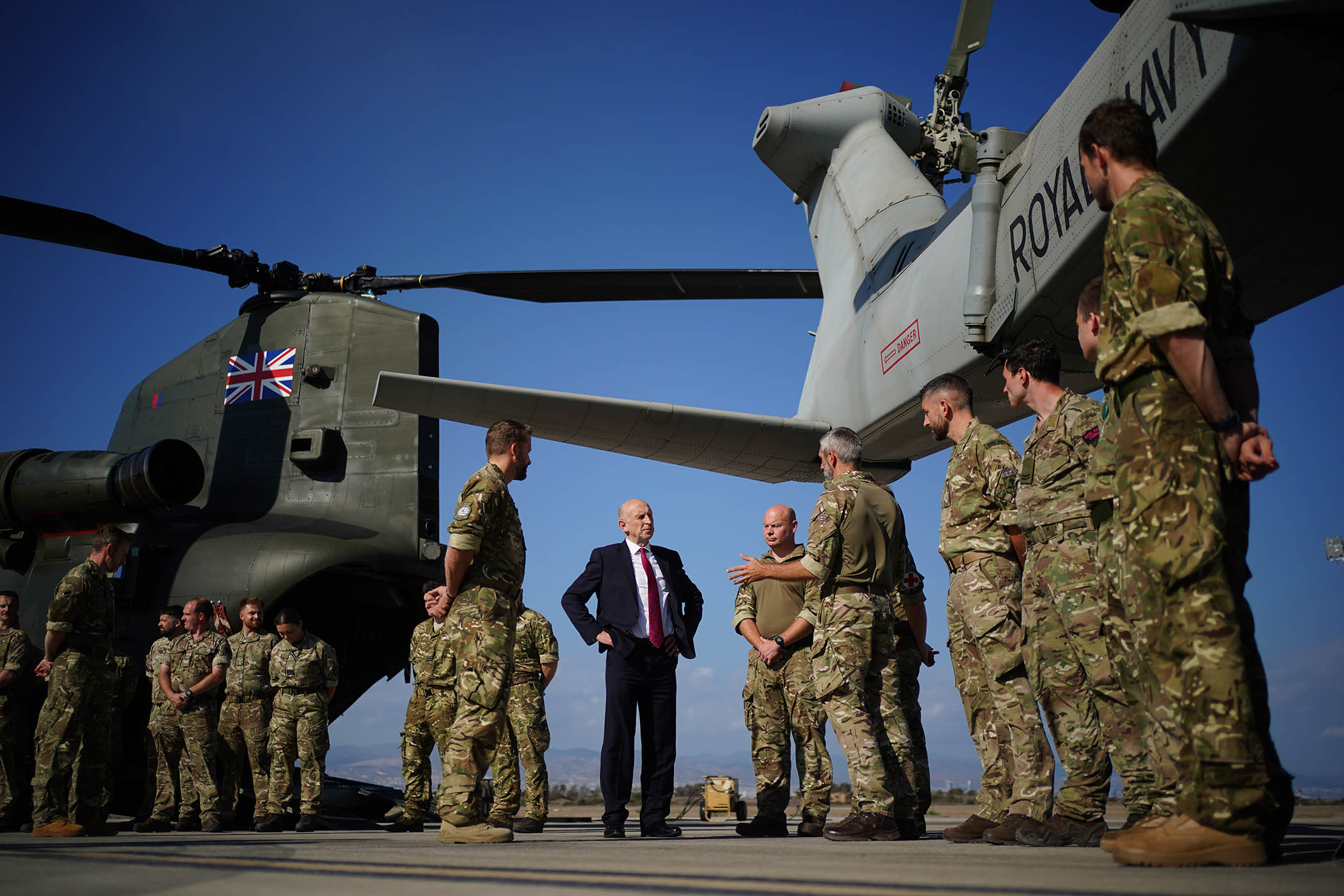
New defence secretary, Dan Jarvis
On Friday, Starmer said in a BBC interview that he wanted to remain prime minister only because of “a very deep sense of duty”. He talked about “hard-edged decisions” on defence investment, the need for “trade-offs” between competing priorities and the absence of “easy answers”.
Perhaps the political turmoil surrounding him last week can help show whether Burnham is ready to replace him. Starmer’s allies ask how the Greater Manchester mayor would fund more defence spending, and scorn suggestions of cutting welfare when his supporters led the revolt against the government’s last effort to do so.
Others highlight how Burnham has struggled with questions about fiscal rules and compensation for “Waspi women” (Women Against State Pension Inequality) who were affected by the changes to the state pension age.
But is is also noticeable the prime minister no longer repeats his much-ridiculed vow to serve a full 10 years, while those around him acknowledge that the question of who leads Labour into the next election will have to be settled at some point – “just not now”.
And it is still possible he can remain upright a while longer, suspended between the relentless pressure pressing down on him and the countervailing gravity of the multiple crises that face Britain.
He still has extraordinary qualities of resilience, duty and hard work. Although his many detractors now judge these to be insufficient, they are still necessary. And if he is removed from Downing Street over the next few weeks or months, we may yet miss them.
Tom Baldwin is the author of Keir Starmer: The Biography
Thank you for reading. Tell us what you think by writing to letters@observer.co.uk
Photographs by Simon Dawson/No.10 Downing Street, Imageplotter/Avalon, Anadolu via Getty Images