
This article first appeared as part of the Daily Sensemaker newsletter – one story a day to make sense of the world. To receive it in your inbox, featuring content exclusive to the newsletter, sign up for free here.
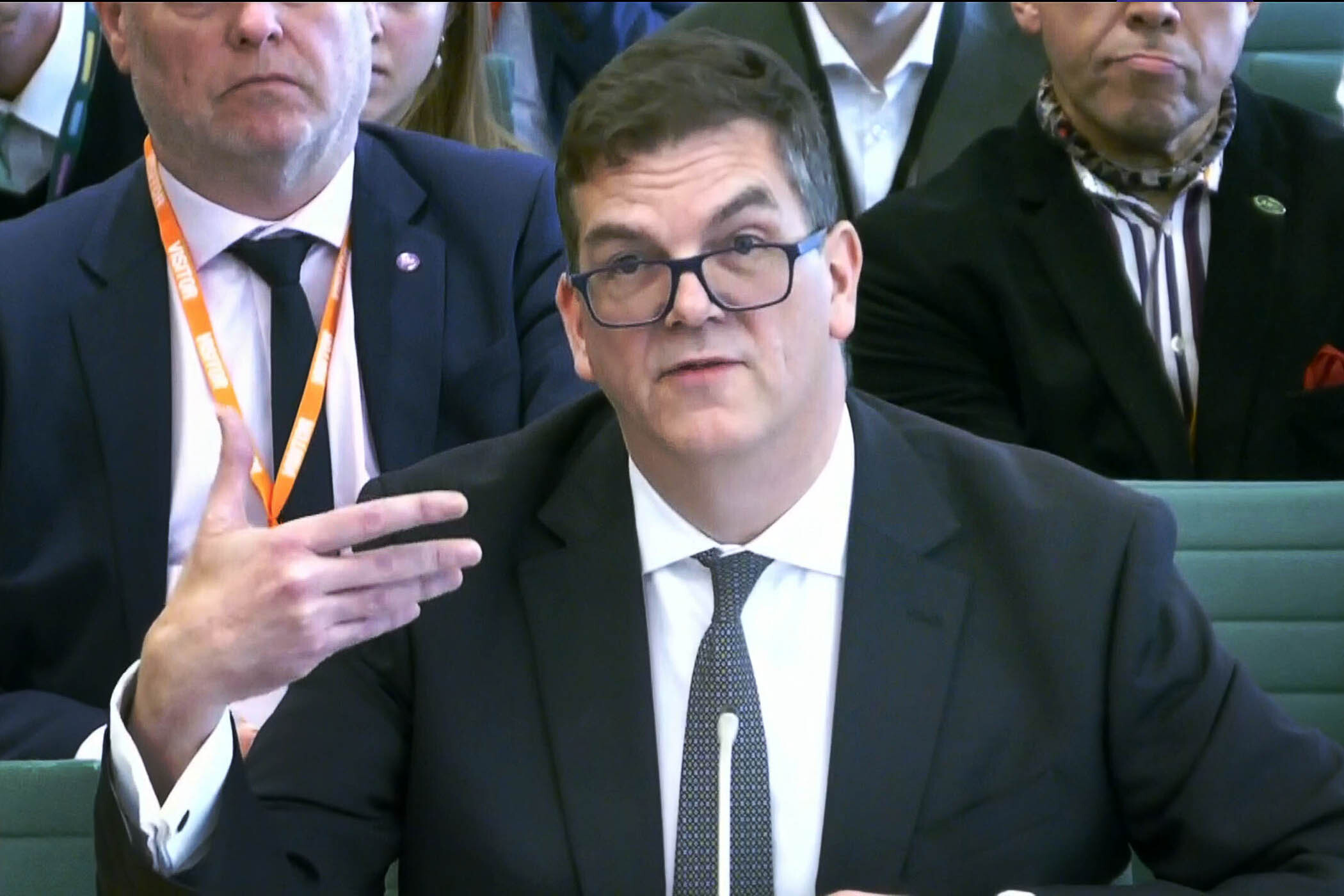
Olly Robbins has told the foreign affairs select committee that he faced “constant pressure” from Number 10 to sign off on Peter Mandelson’s appointment as US ambassador and that Keir Starmer’s team were “generally dismissive” of the security risks involved.
So what? As far as parliamentary hearings go, it was box office stuff. This was a chance for Robbins to give his version of events after he was sacked as the Foreign Office’s most senior civil servant. He didn’t hold back, telling MPs that Number 10 and the Cabinet Office
•
wanted Mandelson in place “as quickly as humanly possible”;
•
subjected him to “constant chasing” to get it done; and
•
believed the former peer did not need to be vetted.
Don’t look at me. The testimony punches holes in the account given by Keir Starmer, who has sought to shift the blame onto Robbins and the Foreign Office. The prime minister told the Commons yesterday he would not have appointed Mandelson if he had known the risks and was “absolutely staggered” he wasn’t told about the outcome of the vetting process.
Just say yes. Robbins said Number 10 was “never interested in whether” Mandelson was going to be cleared but “only interested in when”. At this point, in January 2025, Robbins had only been in post for a few weeks. He emphasised that Mandelson’s appointment had already been announced by the government, approved by the King and agreed with the US. He claimed there would have been a diplomatic rift if the Foreign Office refused to give its sign-off.
Nothing to see. Overall he gave the impression that the government was determined to forge ahead with the selection of a political appointee despite his chequered past. Starmer’s defence rests on the fact that he was kept in the dark. Robbins confirmed this but gave the impression that his aides didn’t want to know.
No comment. When pressed by MPs, Robbins wouldn’t confirm if it was Morgan McSweeney who chased him. But he also claimed the Foreign Office had to “put its foot down” when it came to checking Mandelson, despite a belief in the Cabinet Office that “there was no need to vet”.
On the borderline. Much of the hearing focused on the outcome of checks conducted by UK Security Vetting. Not all of Robbins’s answers were satisfactory to MPs, who wanted to know precisely what the agency said. Robbins told them he did not see the final report, but that UKSV saw him as a “borderline” case and was “leaning towards recommending clearance be denied”.
Both things can’t be true. This contradicts Starmer’s account in the Commons. The prime minister said UKSV gave a “specific recommendation” that clearance should be denied.
What’s in the box? Robbins also said that UKSV believed the risks could be managed with mitigations, but couldn’t say precisely what the risks were nor what mitigations were put in place. He only confirmed that the concerns were not related to Mandelson’s friendship with Jeffrey Epstein, which forced the former Labour peer's resignation as US ambassador last year.
Trusty aide. The words of Robbins still carry heft. He has been a stalwart of the civil service for decades, serving as the prime minister’s private secretary under Tony Blair, deputy national security adviser under David Cameron and chief Brexit negotiator under Theresa May. When he says that the Foreign Office followed proper vetting procedures, it is worth taking seriously.
Reminder: the Cabinet Office had earlier done its own due diligence, which concluded Mandelson posed various “reputational risks”. But the prime minister's team also judged they could be managed, believing they were outweighed by the benefits of appointing Mandelson.
Still standing. Although the account given by Robbins paints an unflattering picture of Number 10, it probably won’t be enough alone to force Starmer to resign before May’s local elections.
And yet... His revelation yesterday that Number 10 asked him to find a diplomatic posting for Starmer’s communication chief has gone down badly with Labour bigwigs. Yvette Cooper, the foreign secretary, said that this “would not have been an appropriate appointment”.
Photograph by UK Parliament via AP
Newsletters
Choose the newsletters you want to receive
View more
For information about how The Observer protects your data, read our Privacy Policy