


This article first appeared as part of the Daily Sensemaker newsletter – one story a day to make sense of the world. To receive it in your inbox, featuring content exclusive to the newsletter, sign up for free here.
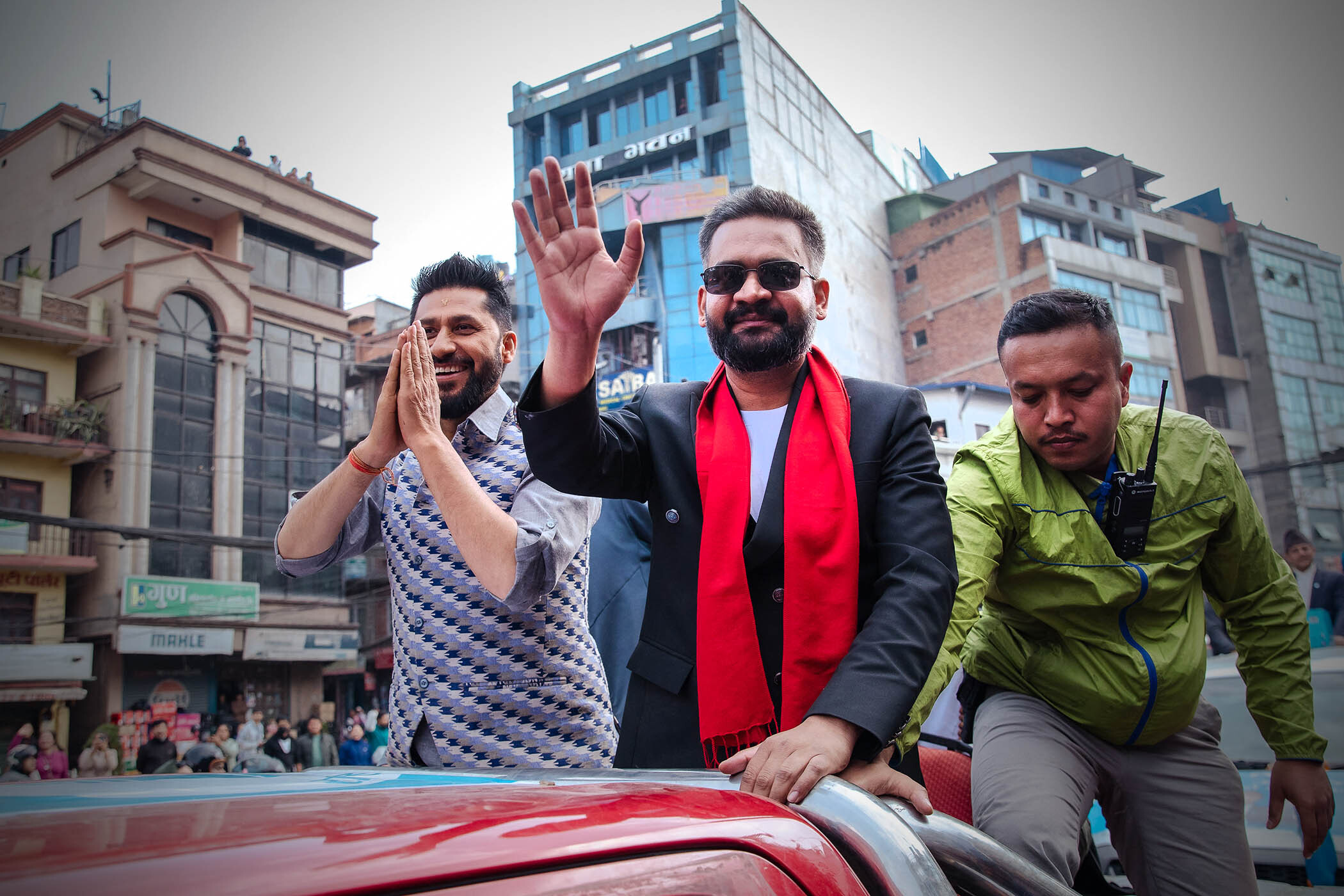
Balendra Shah, a 35-year-old rapper also known as Balen, will become prime minister of Nepal after his party channelled youth anger to win a historic landslide.
So what? The result matters beyond the country. Last week’s election took place six months after a Gen Z uprising overthrew the government, one of several such revolts that have shaken political elites around the world. Shah’s impending victory
•
sweeps away Nepal’s old political guard;
•
demonstrates the abiding power of youth protest; and
•
may inspire other movements that have grown tired of the status quo.
State of play. Shah’s Rastriya Swatantra Party took 125 of 165 directly elected seats for the lower house of Nepal’s parliament. RSP has also won roughly half of the votes counted so far for the remaining 110 seats allocated under proportional representation. KP Sharma Oli, the former prime minister, was beaten by Shah in his own constituency.
Game changer. The results put Shah on course for the biggest majority in the modern history of Nepal. The country’s mixed electoral system means that it typically has hung parliaments. There have been 27 prime ministers since the return of democracy in 1990.
The man. Known for his trademark sunglasses, Shah found popularity with lyrics that reflected the everyday troubles of Nepalis. In 2022 he became the independent mayor of the capital, Kathmandu. He worked to improve rubbish collections, healthcare and transport, while continuing to criticise the political establishment as ineffectual and self-serving.
Not everyone’s friend. As mayor, Shah had a knack for colourful stunts. This included dumping dirt outside a government office to protest against construction delays to a ring road. But his record is not entirely clean. He was criticised by Human Rights Watch for his heavy-handed treatment of street vendors and homeless people in the capital.
Opportunity knocks. In September, Shah backed Gen Z protests that erupted in response to a social media ban. They became a broader expression of rage against corruption, ‘nepo babies’ and joblessness in a country that produces millions of economic migrants. Dozens of people were killed and parliament was torched before Oli was forced to step down.
Bigger picture. The unrest was part of a wave of youth protests that have swept the Global South. These have tended to focus on local grievances but share common themes, such as a heavy reliance on social media and discontent over corruption and inequality.
Mixed results. Nepal’s protest movement is arguably the most successful, managing to topple a government, force an election and then vote in its favoured candidate. Demonstrators in Morocco and Kenya, by contrast, have failed to dislodge incumbent elites. In Madagascar an unpopular leader was replaced by an unaccountable military junta. In recent elections in Bangladesh, which ousted its leader in 2024, the main Gen Z party only won six seats.
Unconventional candidate. Shah joined the RSP in January, a party he had previously criticised, and won over voters by making ambitious pledges. In addition to promising good governance and an end to graft, he vowed to create 1.2m jobs and more than double Nepal’s per capita income to $3,000 in five years. He shunned traditional scrutiny on the campaign trail, rarely granting interviews and instead relying on his social media presence.
What’s more... The question now is whether he can deliver, especially when the RSP has no seats in Nepal’s upper house. Protest movements elsewhere will watch closely.
Photograph by Prabin Ranabhat/ AFP via Getty Images
Newsletters
Choose the newsletters you want to receive
View more
For information about how The Observer protects your data, read our Privacy Policy