


This article first appeared as part of the Daily Sensemaker newsletter – one story a day to make sense of the world. To receive it in your inbox, featuring content exclusive to the newsletter, sign up for free here.
The Houthis attacked Israel twice over the weekend, opening up a new front in the Middle East.
So what? Donald Trump’s stated objectives for his war against Iran include degrading proxy forces loyal to Iran. The Houthis, a Yemeni rebel group, have now sent warning shots that signal they are not going anywhere. More than this, they have
•
escalated the risk of a broader regional conflict;
•
raised the spectre of renewed shipping disruption in the Red Sea; and
•
forced Israel to defend itself from three belligerents united by a shared purpose.
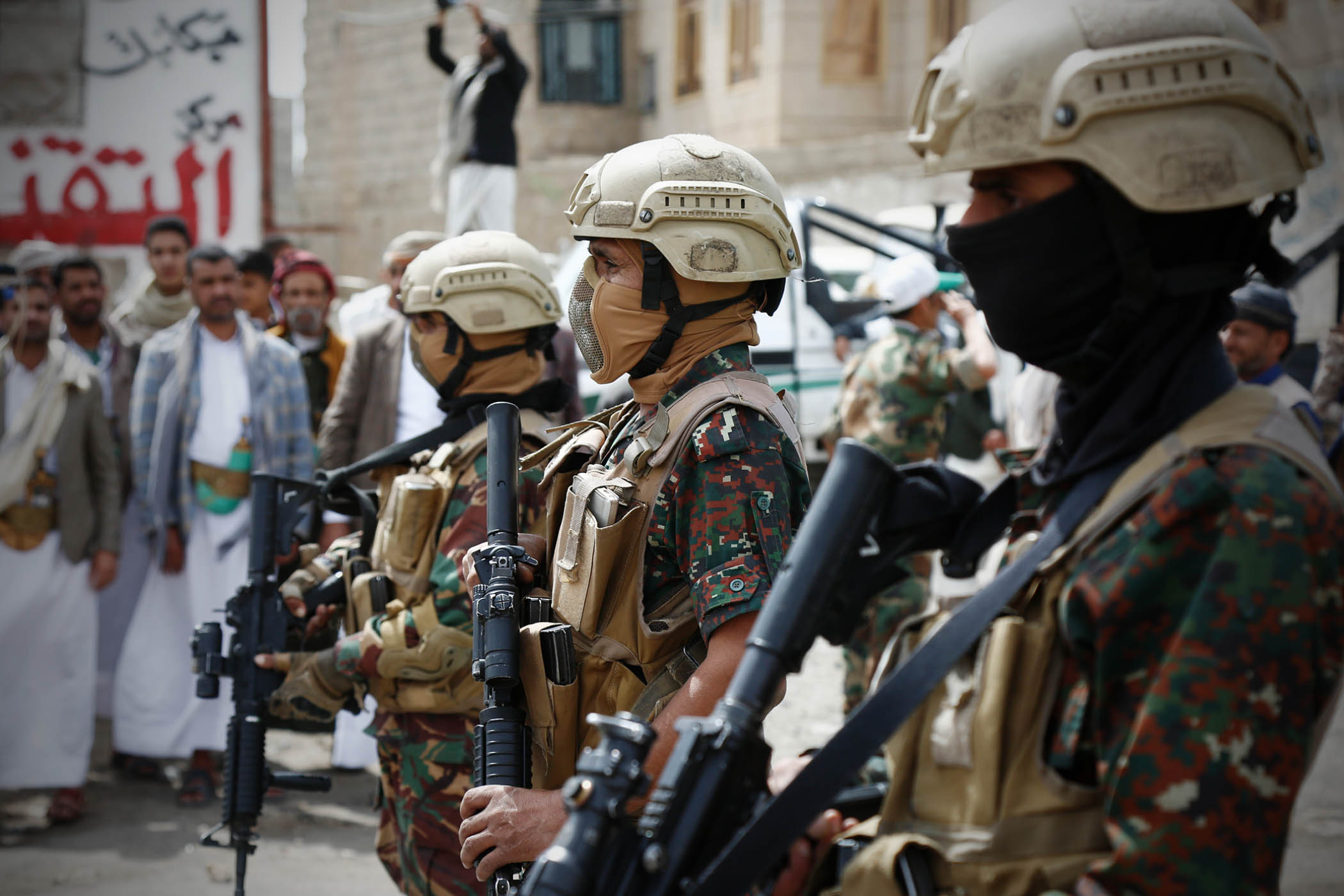
Partisans of God. A Shia sect that has run Yemen’s capital since 2014, the Houthis lost their prime minister, chief of staff and several cabinet ministers in an Israeli strike last year. But their leader is still alive and they are in possession of a large arsenal of weaponry. Many of their top figures are off-grid, refusing to use phones and only communicating on secure networks.
The attacks. But the group stepped out of the shadows over the weekend by launching a barrage of missiles towards Israel in support of Iran. The Houthi military’s spokesperson said strikes will continue until the “declared objectives are achieved”.
What objectives? This is the billion-dollar question. Sending a few missiles towards Israel will not change the course of the war, but the Houthis control territory along Red Sea shipping routes near the Bab al-Mandab strait. They could easily add to economic woes caused by the closure of Hormuz by attacking or threatening ships. Mohammed Mansour, a minister in the Houthi government, told CNN on Friday that shutting down the strait was a “viable option”.
Gate of tears. A chokepoint connecting the Red Sea to the Gulf of Aden, Bab al-Mandab gives sea passage to roughly 12% of global maritime trade. It is also a gateway to the Suez Canal, which carries 40% of the world’s container traffic.
Your move. Despite its weekend salvo against Israel, the Houthis have refrained from rushing into this round of conflict in the Middle East. It is believed that Iran asked the group to launch attacks on Israel at the start of the war. But after the Houthis’ military capacity was degraded last year, they appear to have waited to see what would happen with Hezbollah.
Another front. A political and militant group also backed by Iran, Hezbollah’s leadership has been decimated and its supporter base displaced during years of fighting with Israel. The group has been effective in its fight on the ground with the Israeli army, slowing their advances in south Lebanon. But they can do little to stop airstrikes and aerial bombardments.
Internal strife. The government of Lebanon is infuriated with Hezbollah’s decision to fire rockets at Israel following the assassination of Ayatollah Ali Khamenei. Some members of the Lebanese parliament believe Hezbollah’s actions have shown them to be a proxy in service of Iran, not in service of the Lebanese state.
On the edge. Nawaf Salam, the Lebanese prime minister, outlawed Hezbollah’s military and security activities at the start of this month. The government has offered to hold direct talks with Israel to stop the violence, and called on European powers to negotiate a ceasefire on their behalf. Hezbollah is now caught in an existential fight for survival.
Nowhere is safe. More than a million people have been displaced by Israel’s fighting in Lebanon, some for the third time since October 2023. Airstrikes have hit central Beirut and the eastern Beqaa valley, while the UN has warned of a humanitarian catastrophe.
What does this mean for the Houthis? Hezbollah’s ability to withstand Israel on the ground could embolden the Houthis to attack shipping routes. But the risk of retaliation, not just from Israel and the US, but from neighbours such as Saudi Arabia, may prove to be an effective deterrent.
What’s more… The Yemeni people are watching anxiously. They will have seen with Hezbollah and Lebanon that targeting Iran’s proxies can come at a disastrous human cost.
Photograph by Mohammed Hamoud/Getty Images
Newsletters
Choose the newsletters you want to receive
View more
For information about how The Observer protects your data, read our Privacy Policy