

This article first appeared as part of the Daily Sensemaker newsletter – one story a day to make sense of the world. To receive it in your inbox, featuring content exclusive to the newsletter, sign up for free here.
Yesterday marked the start of the new tax year in the UK, increasing council tax bills for most households and freezing income tax thresholds for the fifth year in a row.
So what? With the war in Iran entering its second month, and Donald Trump’s foot still on the pedal, voters might consider these changes to be the least of their worries. Keir Starmer has kicked off Labour’s local election campaign by promising to “assess the economic effects” of the conflict. All indications are that the effects are bad and already filtering into everyday life, from
•
mortgage costs; to
•
petrol prices; and
•
food inflation.
Shoots of hope. At the beginning of 2026, there were encouraging signs. The Bank of England had been cutting interest rates, and inflation was due to approach the 2% target this spring.
It’s the hope that bills you. The war on Iran, and especially the closure of the Strait of Hormuz, threatens to derail this progress. Inflation is now forecast to climb to 3.5% in the third quarter of this year. Although this is well below the peak of 11% in 2022, traders are betting that the Bank of England will raise interest rates twice in 2026.
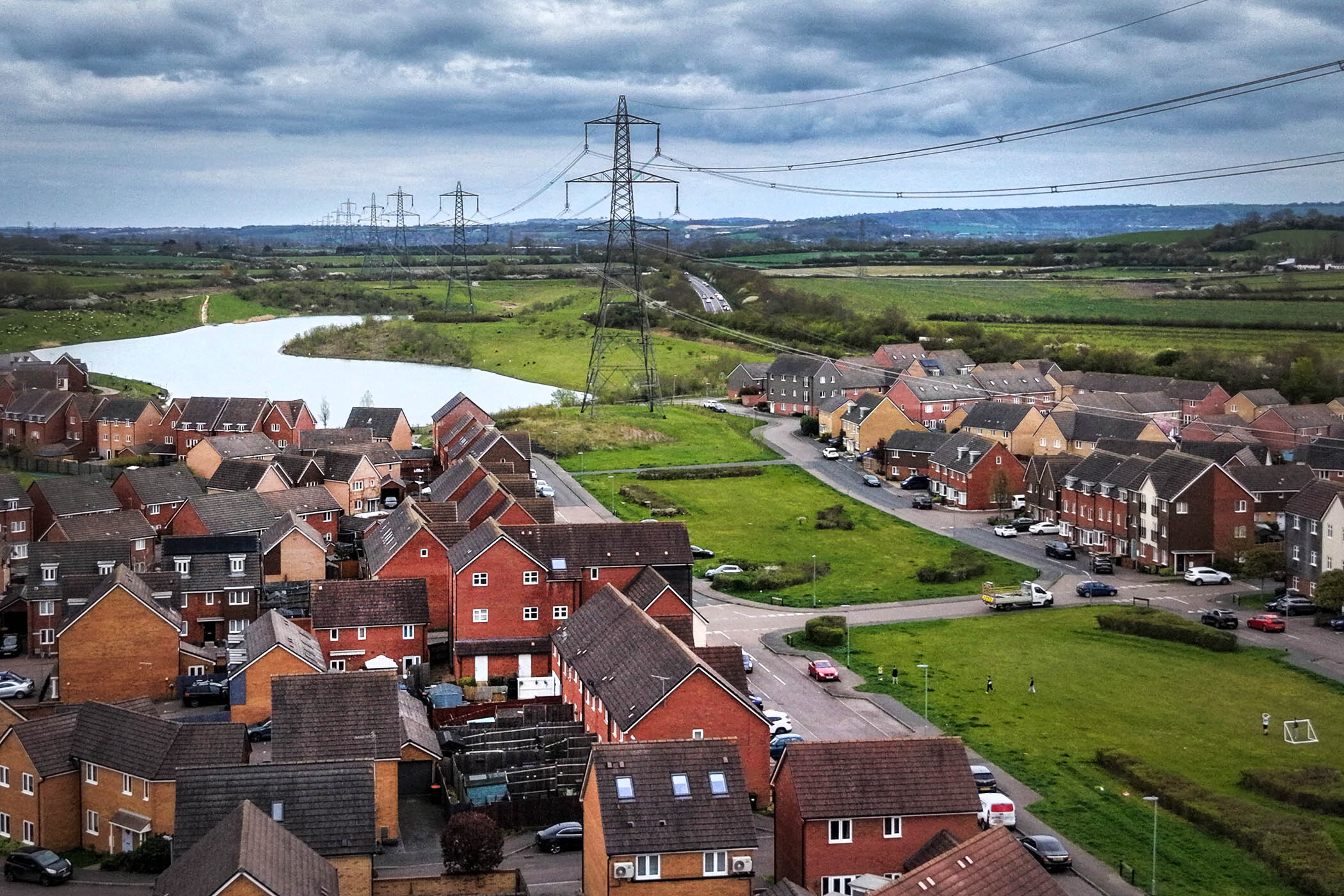
Bricks and mortar. The average two-year fixed rate mortgage has jumped from 4.8% to 5.8%, the steepest rise since Liz Truss’s infamous mini-budget. Five-year mortgages have climbed by a similar amount. Nearly 1,300 mortgage products, or 17% of the total, have been pulled off the market. This means less choice for consumers.
The coming crunch. Roughly 1.8m households are due to remortgage this year. The hardest hit are people coming off five-year deals set when the cost of borrowing was practically zero. According to Moneyfacts, their repayments could rise by as much as £444 a month. Typical borrowers looking to remortgage face paying an extra £150 a month.
Pinched at the pump. The average UK petrol price has risen to 154.45p a litre, an increase of nearly 22p. Diesel has jumped by 42.9p to £185.23. The RAC predicts both to increase further. A good rule of thumb is that every $10 rise in the barrel of oil pushes up petrol prices by 7p.
Plane wrong. The price of jet fuel has more than doubled, sending airfares soaring around the world and forcing carriers to cut flights to protect their margins. The UK is badly exposed. Although Britain sources most of its oil and gas imports from the US and Norway, it gets about 25% of its jet fuel from Kuwait.
Coming for everyone. High fuel and fertiliser costs trickle down to other goods. The Food and Drink Federation expects food inflation to climb above 9% by December of this year.
Keep the lights on. Despite all this, household energy bills have come down. This is because the new energy price cap of £1,641 came into force on 1 April. The limit was set before the war and only lasts until July, when it is predicted to rise by nearly £300.
Silver lining. Any rise will come during the summer months, when radiators are switched off. Labour will not offer universal help with bills, the option taken at vast expense by Liz Truss in 2022. Instead it is considering targeted support for low-income households.
New normal. Singapore’s United Overseas Bank expects Brent crude oil to trade at $110 for the next few months before easing to $90, staying at this level until at least the beginning of 2027.
For context, the price was about $60 at the start of 2026.
Keep calm. Labour has announced £53m to help people reliant on heating oil, which has doubled in price. It is also considering targeted support to help low-income households with energy bills once the current price cap expires. But for the most part, its advice is not to panic.
Across the channel. Spain has taken the strongest measures in Europe by approving a €5bn support package that includes steep cuts to energy taxes. Portugal has cut its diesel tax, while Germany has limited the ability of petrol stations to raise prices.
What’s more… Rachel Reeves is currently under pressure to remove VAT from energy bills and abandon her plan to reverse the 5p cut to fuel duty. She may soon be asked to go even further.
Photograph by Chris Ratcliffe/Bloomberg via Getty Images
Newsletters
Choose the newsletters you want to receive
View more
For information about how The Observer protects your data, read our Privacy Policy