


This article first appeared as part of the Daily Sensemaker newsletter – one story a day to make sense of the world. To receive it in your inbox, featuring content exclusive to the newsletter, sign up for free here.
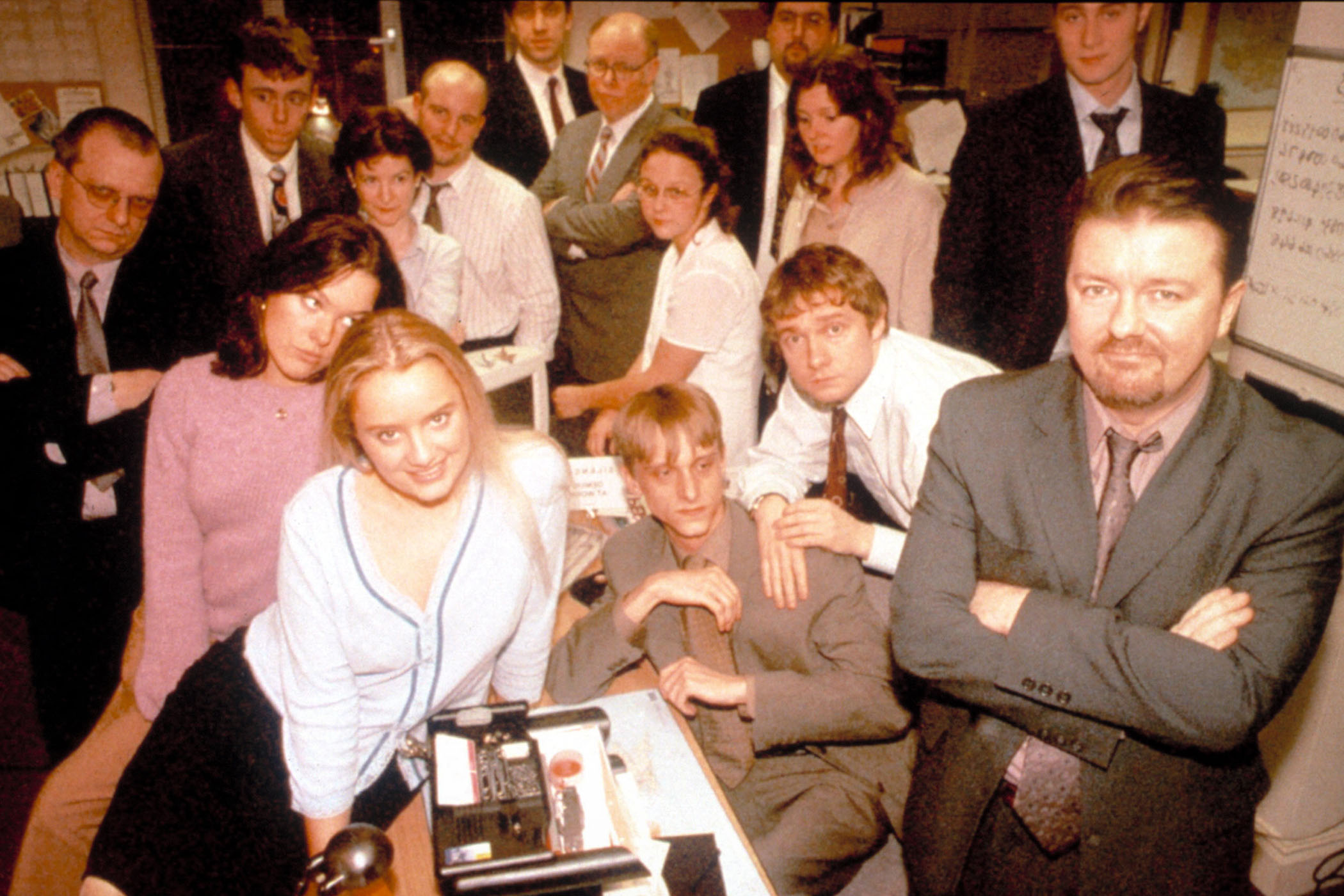
This week marked 25 years since the British version of The Office was first broadcast. It spawned more than a dozen adaptations, from the US and Germany to Israel and Chile.
So what? The Office is part of a broader British success story. Although the UK’s output of cars, steel and textiles has dropped off a cliff, it is a world leader in exporting television, and these sales are growing, up from £1.1bn in 2020 to over £2bn in 2025. The reasons why include
•
the dominance of English around the world;
•
declining domestic television revenue; and
•
historic policy decisions.
Brave new world. A lot has changed since The Office’s debut. In 2001 there were no streaming platforms, which now produce new content and have eroded the market share of traditional broadcasters. Rising production costs and declining TV ad revenues also mean commissioning budgets are shrinking.
Look elsewhere. This has forced British production companies to focus even more of their energies on exports. Overseas sales now account for 37% of revenues, up from a quarter in 2010, according to Pact, the trade association for independent producers.
Big in the US. The US is by far the biggest destination, accounting for 40% of sales. This is mostly down to the size of its market and English-speaking population. Demand is also driven by a slowdown in US production caused by strikes, the pandemic and financial struggles.
That said, British television is popular in Germany, France and Scandinavia.
In one sense, The Office is a typical British TV export since it proved popular in the US, where its remake lasted 201 episodes. But it is also an outlier as an example of a programme with an adaptation that was far more successful – though not necessarily better – than the original.
Meanwhile, remakes of scripted shows like The Office make up a small proportion of British exports. The bestsellers are finished products, which are subtitled for non-English speakers, followed by adaptations of unscripted formats, which include reality shows and quizzes.
Top spot. British producers are particularly good at coming up with ideas for unscripted TV. The UK is the world’s biggest exporter of this format and accounted for one-third of global adaptations in 2024. These often remain popular long after interest in the originals has waned.
Newsletters
Choose the newsletters you want to receive
View more
For information about how The Observer protects your data, read our Privacy Policy
By the numbers.
More than 100 – versions of Who Wants to be a Millionaire?
About 75 – remakes of Britain’s Got Talent and MasterChef
60 – international editions of Strictly Come Dancing
Around 50 – adaptations of The Weakest Link, X Factor and Pop Idol
2 – Afghan incarnations of Who Wants to be a Millionaire?
Policy decisions have helped. Since 1990 public service broadcasters – which include Channel 4 and ITV – have been required to commission at least a quarter of their content from independent producers. Other regulations introduced in 2004 mean these companies, not television stations, retain the rights to their programmes, allowing sales elsewhere.
Behind the scenes. Although exports are growing, they are increasingly reliant on back catalogue sales. These now account for 44% of overseas revenues, a record high.
In other words, the industry cannot rely on old hits like Doctor Who and Downton Abbey forever.
What’s more… ITV Studios is being spun off as an independent production company after the sale of ITV’s broadcasting and streaming arms to Sky. Its revenues increased 4% in the most recent quarter, outperforming the business as a whole.
Photograph by Everett Collection Inc via Alamy