
This article first appeared as part of the Daily Sensemaker newsletter – one story a day to make sense of the world. To receive it in your inbox, featuring content exclusive to the newsletter, sign up for free here.
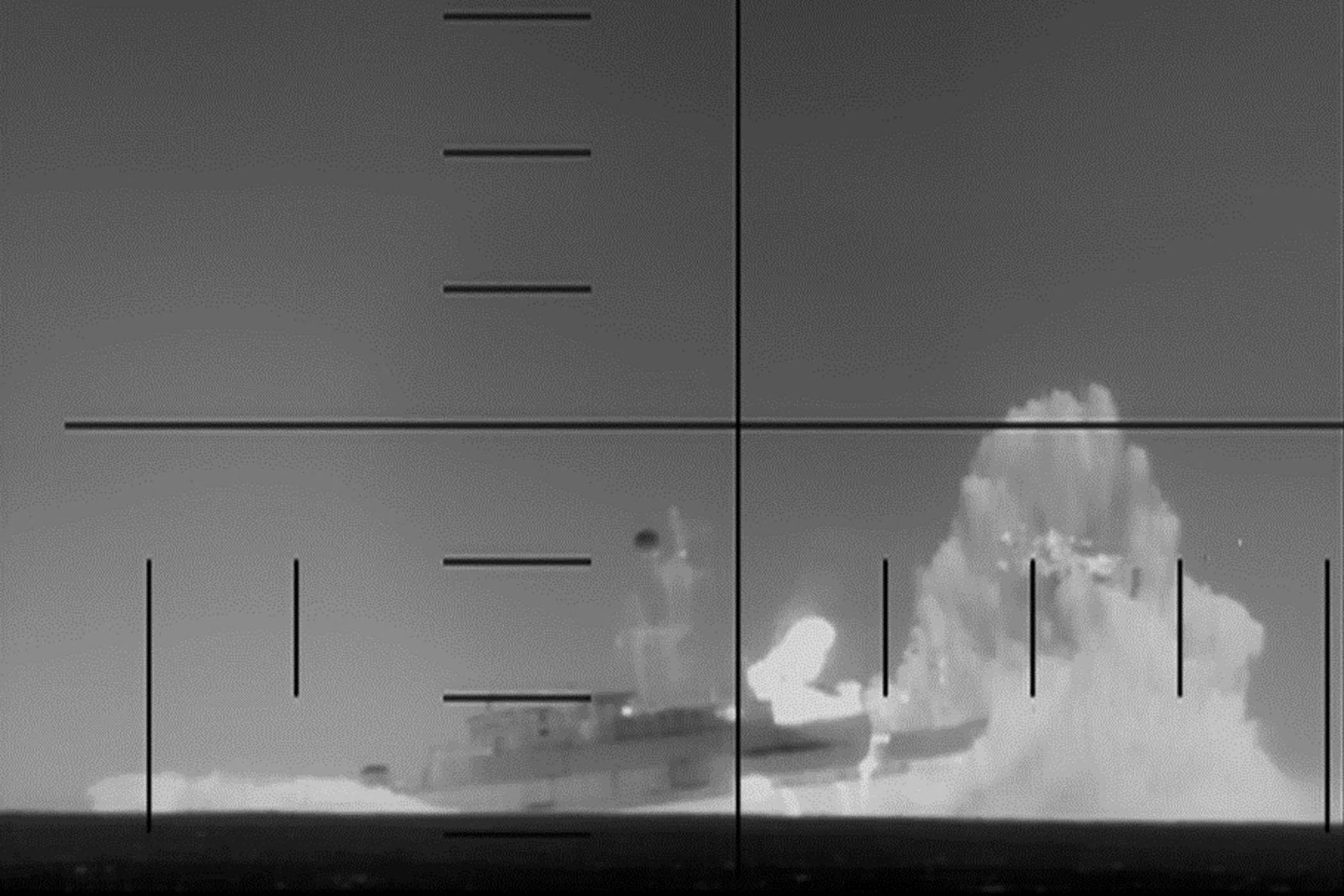
A US submarine has torpedoed and sunk an Iranian warship off the coast of Sri Lanka with 180 crew members on board. Dan Caine, chair of the joint chiefs of staff, said that more than 20 Iranian vessels have been destroyed and that its navy has been “effectively neutralised”.
So what? This degrades Iran’s military capabilities but doesn’t solve a growing crisis in the Strait of Hormuz. Several ships have been struck in the chokepoint and traffic has ground to a virtual halt after Iran’s Revolutionary Guards vowed not to let a “single drop of oil” pass. The blockade
•
has caused prices to soar;
•
forms part of Iran’s broader attacks on Gulf energy infrastructure;
•
may yet convince Donald Trump to end his operation sooner rather than later.
Torpedoed. Wednesday’s strike in international waters was the first time a US submarine has sunk an enemy warship since the Second World War, according to Pete Hegseth. The Department of Defense released a periscope video of the moment. Most of Iran’s other naval vessels were destroyed at anchor at the start of the conflict.
Not so torpedoed. But Iran has other means of disrupting tanker traffic in the Strait of Hormuz, which accounts for 20% of global oil and gas shipping. Chief among these are missiles and aerial drones. It also has unmanned naval vehicles and could opt to mine the passage.
Running the gauntlet. Some ships have tried to cross the Strait, including a Malta-flagged container ship which caught fire and was abandoned after it was struck by a projectile on Wednesday. Overall traffic has dropped by roughly 90%. Insurers have cancelled policies, premiums have jumped and the cost of renting tankers has more than doubled.
Meanwhile, Iranian strikes have halted operations at Saudi Arabia’s biggest oil refinery and forced Qatar to shut down the world’s largest liquefied natural gas facility.
Spooked markets. Oil prices hit nearly $84 a barrel yesterday, compared with $60 in January. The spike in gas prices has been even higher, with European wholesale prices rising by 50%. This is because gas is difficult to store and so countries do not tend to hold much back in reserve.
Fight smart. Iran cannot hope to compete with the Israeli and American militaries, whose jets are hitting targets with impunity. As such, the global energy market is its best point of leverage. The aim is to drive up costs to the point that Trump faces pressure to stop the operation.
There is precedent. Trump has offered to insure Gulf shipping “at a very reasonable price” to get tanker traffic flowing again. He has also said that the US Navy could start escorting ships through the strait. American warships did this in the 1980s, accompanying Kuwaiti ships carrying Iraqi crude to shield them from Iranian attacks.
Cold reality. Mark Montgomery, a retired US rear admiral, estimated it would take up to two weeks to begin these escort missions. In the meantime, American and Israeli forces would need to degrade Iran’s missile and drone capabilities so it is safe enough to pass. Montgomery said he doesn’t believe the threat can be eliminated but that it could be reduced to a “manageable level”.
Race against time. Two weeks may be too long for the Trump administration. Bjarne Schieldrop, chief commodities analyst at SEB Research, said that the current glut of shipborne crude means the oil market can withstand about 12 days of volatility. If the disruption lasts beyond that, prices could shoot up and have inflationary effects across the world.
What’s more… Even if Trump can arrange the escorts, shippers will refuse to risk the journey if insurance premiums stay high and make the passage economically unviable. Destroying a warship with a torpedo is a show of strength. But it might not make the seas feel safer.
Photograph by US Department of Defense/AFP/Getty Images
Newsletters
Choose the newsletters you want to receive
View more
For information about how The Observer protects your data, read our Privacy Policy