

Photograph by Pixar/Disney
This article first appeared as part of the Daily Sensemaker newsletter – one story a day to make sense of the world. To receive it in your inbox, featuring content exclusive to the newsletter, sign up for free here.
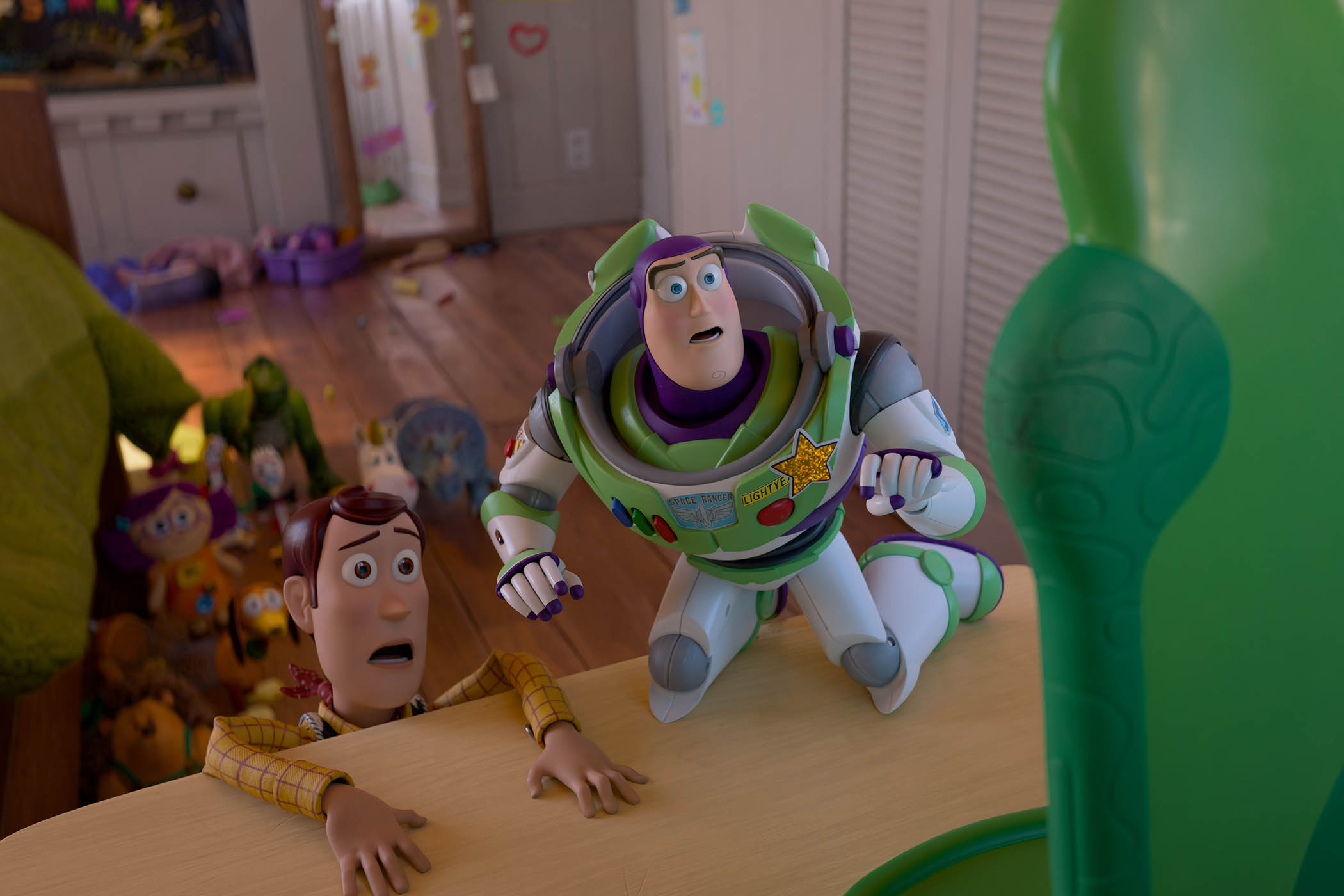
Toy Story 5 is in cinemas today with a cautionary tale about the dangers of technology.
So what? Despite the mixed reviews, it is propitious timing as the UK comes to terms with Keir Starmer’s plan to ban social media for everyone younger than 16. The movie
•
turns screen time into a central theme of a blockbuster franchise; but
•
is the property of Disney, which operates a streaming service; and
•
fails to commit to the premise that tech is harmful to children.
The plot. Woody, Buzz and Jessie have faced several adversaries during the franchise, including Sid Philips, Stinky Pete and Lotso. None has represented as big an existential threat as Lilypad, a frog-shaped smart tablet that captures the attention of Bonnie over her friends.
The panic. Lilypad represents an anxiety for parents across the world about the effect of tech on their children. Nearly 98% of toddlers in England engage with screens on a daily basis, watching television, videos or other content for an average of two hours a day. Government research has warned that this can inhibit talking, play and reading in early years. By the time they get to Bonnie’s age, 8, roughly one in four children have their own phone.
The proposal. This sort of alarming research has encouraged Starmer to ban social media for under-16s, following in the footsteps of Australia. Labour has promised “less time for scrolling and more time to play”, and claims the support of nine in 10 parents.
The problem is that Pixar, a studio owned by Disney, is ill-equipped to deliver a message about the dangers of technology. Disney+, which does not offer screen limits, markets itself as a family-friendly streaming platform with a “junior mode” for younger viewers.
Funny that. Lilypad is humanised as she is anthropomorphised, which means she fails to embody the profound threat she might have posed to Bonnie. Andrew Stanton, who co-directed the movie with McKenna Harris, has clarified that Lilypad is not a villain, but the “next phase in Bonnie’s life”. Harris said that making the tablet an out-and-out antagonist “never made sense”.
You be the judge. Harris also told Variety magazine that humans were “not getting rid of these devices”, which meant that it felt right for the toys to have to “grapple with that nuance”.
The verdict. Pixar’s failure to deliver the hero-villain conflict that is typical of its movies has left some reviewers cold. Although Toy Story 5 has a 93% critics rating on Rotten Tomatoes, this is lower than any of its predecessors. The film has been panned by the Guardian and Rolling Stone, both of which point to the fact that it’s made by a studio that benefits from screen time.
In the dark. Audiences are still expected to flock to cinemas to watch the movie. Toy Story 5 is projected to have the biggest opening in the franchise’s history, with a worldwide launch of $275m, second only to The Super Mario Galaxy Movie of this year’s cinema releases.
What’s more… Belkin has already capitalised on Toy Story fever by selling a Lilypad iPad case, available for £39.99, while Mattel has brought out an interactive tablet. Featuring phrases from the film, it promises to bring a “splash of mischief and personality to every adventure”.
Newsletters
Choose the newsletters you want to receive
View more
For information about how The Observer protects your data, read our Privacy Policy