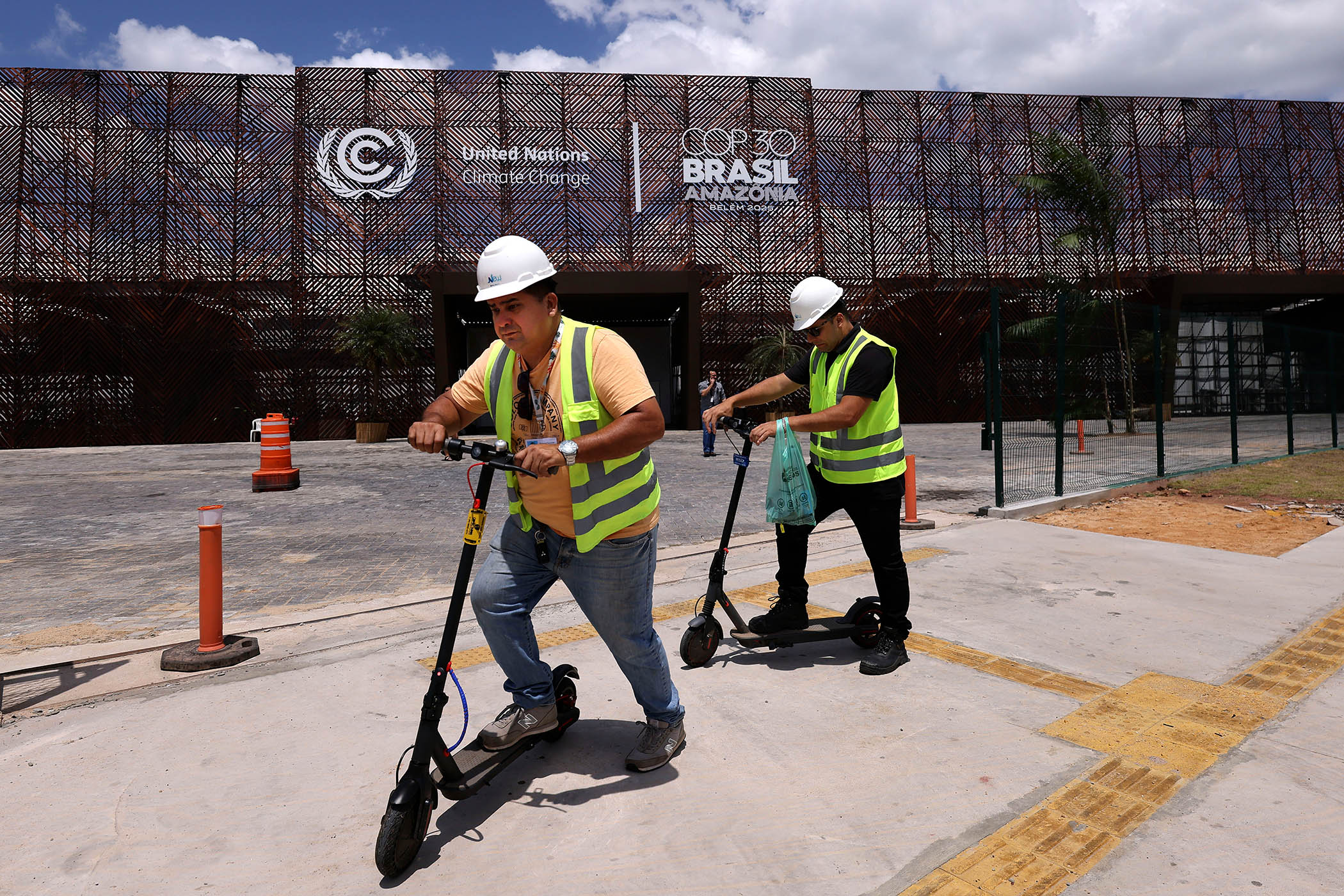

World leaders will gather in Brazil tomorrow ahead of Cop30 in a city on the edge of the Amazon rainforest.
So what? As the planet’s temperature rises and the political climate chills, the UN negotiations have rarely been so urgent or so bleak. Omens include
•
the leader of the world’s biggest oil producer describing climate change as the “greatest con job” ever perpetrated on the world;
•
hurricanes amplified by climate change which are carving a trail of destruction around the world, from the Caribbean to Southeast Asia; and
•
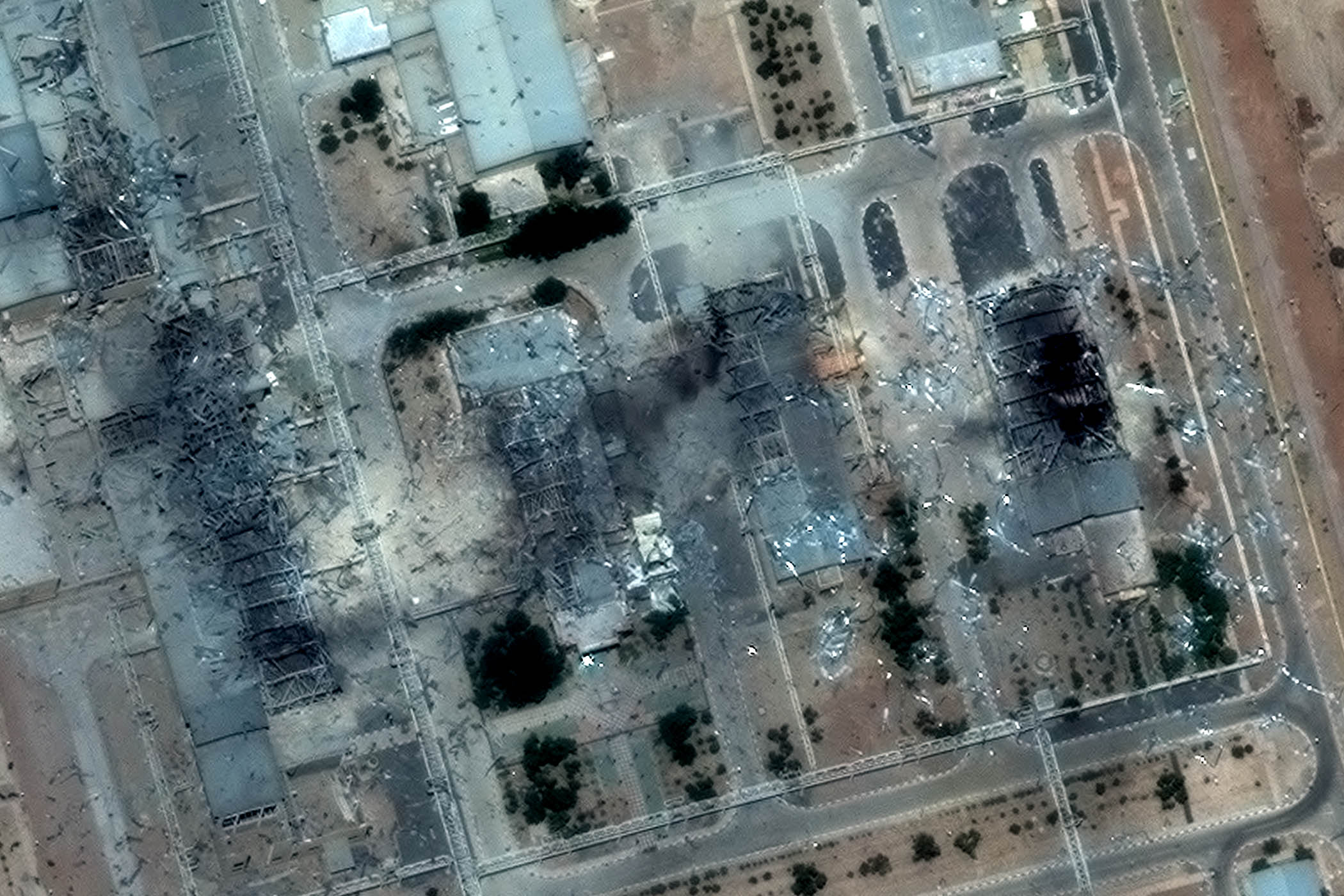
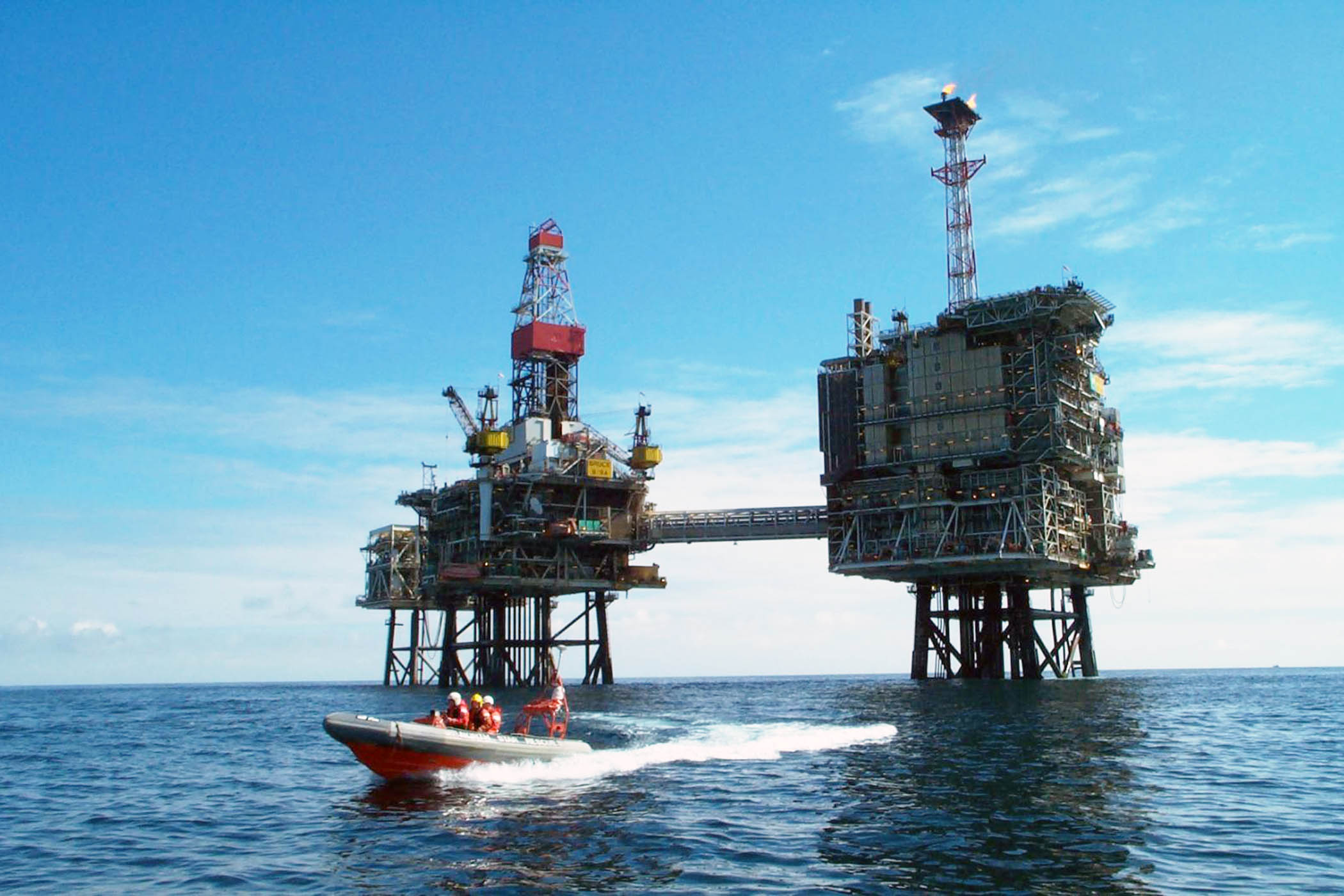
an oil discovery in Guyana making the South American country the world’s fastest growing economy, underlining the wealth that remains to be made from fossil fuels.
Shifting priorities. The issue is not just Donald Trump, who has consistently been a climate sceptic. Four years ago in Glasgow, Mark Carney rallied private capital to speed the transition to renewable energy. As prime minister of Canada, his first act was to scrap a carbon tax.
Et tu, Bill? On the eve of Cop, which takes place in Belém, Bill Gates warned against a “doomsday view” and said that people would be able to live and thrive in “most places” on earth for the foreseeable future. The billionaire is a major donor to efforts to tackle climate change,
Climate war. While Europe has drastically scaled back its reliance on Russian gas since the invasion of Ukraine, it has traded this dependence for importing fossil fuels from the US.
Net result. A decade after the Paris Agreement, when countries agreed to pursue efforts to limit the increase in global temperatures to 1.5C, the UN has warned that this target is nearly defunct. The world is on track for 2.8C.
Head in the sand. Spikes in energy prices have led many ordinary voters to shift their focus towards “bread and butter” concerns. Meanwhile climate scepticism has been increasingly subsumed under the culture war to become an issue that divides opinion along political lines.
Not all bad news. It is too soon to give up hope. In the first half of this year, renewables supplied more of the world’s electricity than coal. As well as this,
•
more than half of new vehicles sold in China, the biggest car market, are EVs;
•
global investment in clean energy is almost twice as much as in fossil fuels; and
•
greenhouse gas emissions are expected to fall 10 per cent on 1990 levels by 2035.
But not fast enough. The Alliance of Small Island States, which represents 39 countries including the Bahamas and the Maldives, warned last week that their people were “enduring the devastating effects of an unprecedented hurricane season”.
View from Brasilia. The Cop hosts will be keen to secure a diplomatic victory. Ahead of talks, China has indicated support for an initiative to protect tropical rainforests. For its part, Brazil has brought Amazon deforestation to its lowest level in years. But President Lula’s government has also permitted a search for oil near where the Amazon river empties into the Atlantic.
Newsletters
Choose the newsletters you want to receive
View more
For information about how The Observer protects your data, read our Privacy Policy
View from Washington. The White House is not expected to send a delegation but its shadow lies over Belém. Last month the US threatened sanctions against “officials sponsoring activist-driven climate policies”, an exceptional display of muscle that derailed efforts to charge fees on greenhouse gas emissions from shipping.
What’s more… That intervention sets the tone. Any global deal on a sector such as aviation or steelmaking could be scuppered by the most powerful country in the world.
Photograph by Wagner Meier/Getty Images.