

This article first appeared as part of the Daily Sensemaker newsletter – one story a day to make sense of the world. To receive it in your inbox, featuring content exclusive to the newsletter, sign up for free here.
European leaders have criticised Donald Trump’s decision to temporarily ease US sanctions on Russian oil exports, a move designed to stabilise energy markets during the war in Iran.
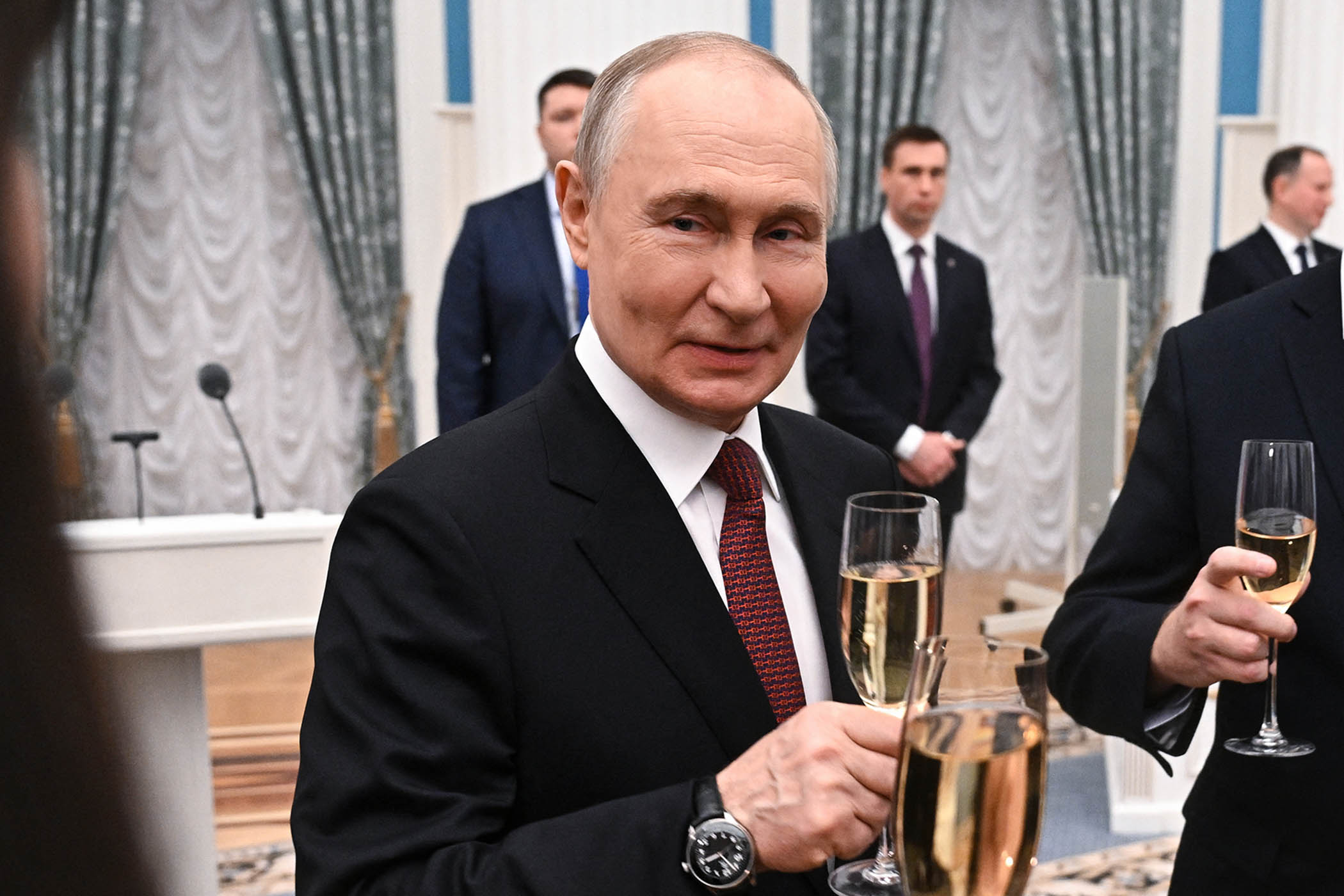
So what? Despite Trump’s claim that the US has “already won in many ways”, Vladimir Putin has emerged as the conflict’s real victor. For most countries, the spike in oil prices has raised the twin spectres of inflation and recession. But the conflict has benefited Russia by
•
boosting its revenues from oil and gas exports;
•
drawing the world’s attention away from Ukraine; and
•
depleting US military supplies that could have been used to defend Kyiv.
Taking a toll. Western sanctions have not crippled Putin’s war machine as intended. But they have forced the Kremlin to make tough financial decisions. Its oil and gas revenues, which account for about a quarter of the federal budget, declined by 13.6% between January and February to $9.5bn. This is the lowest level since the war began.
Undoing the screw. On Thursday, after the oil price exceeded $100 a barrel, the Trump administration lifted some sanctions on Russian crude. Scott Bessent, the US energy secretary, called this a “short-term measure” that allows other countries to buy Russian oil already at sea until 11 April. It followed an earlier change that permitted India to make purchases.
Disjointed. The move has appalled European leaders, who have coordinated with the US to pressure Moscow. Friedrich Merz, the German chancellor, called it “wrong”. António Costa, the European Council president, said it gives Russia “new resources” to finance the Ukraine war. It has had little effect on the price of Brent crude, the main benchmark, which remains high.
Windfall. But it will make a big difference for Moscow. It had been forced to sell its oil for discounts of up to $30 a barrel due to sanctions. This practice has essentially ended, with Russia’s main blend now fetching $90 a barrel, up from $49 at the beginning of this year.
Plugging the gap. The closure of the Strait of Hormuz has also increased demand from India and China, which import about half of their oil from the Gulf. According to one calculation, Russia is earning an extra $150m a day as a result of the conflict.
Make your mind up. Bessent initially denied easing sanctions would give Moscow a “significant financial benefit”. He later admitted this was “an inevitability”. This disincentivises Moscow from ceding ground in negotiations with Ukraine.
Diplomatic front. With US-brokered talks on ice, Putin has also tried to take the moral high ground, describing the strikes on Iran as a “cynical violation of all norms of human morality and international law”. Having spent the past four years vetoing UN security council resolutions related to its aggression against Ukraine, Russia drafted a resolution last week condemning the use of military force in the Middle East.
War front. Before the war in Iran, Ukraine needed more American Patriot missile interceptors to defend against Russian missile attacks. The US and its Gulf allies have fired hundreds of them to thwart Iranian retaliatory strikes. Volodymyr Zelensky has said a sustained conflict in the Middle East “will affect the amount of air defence we receive”, giving Russia a freer hand.
Bedfellows. Iran and Russia maintain a strategic partnership. Moscow has manufactured Shahed-type drones since a technology transfer deal in 2023. Reports suggest that it has been repaying the favour by providing Iran with coordinates of US targets.
What’s more… Zelensky suggested earlier this month that Ukraine received a request for help from the US to combat Iranian drones. Trump said on Friday that he did not, in fact, need this.
Photograph by Kristina Solovyova / AFP via Getty Images
Newsletters
Choose the newsletters you want to receive
View more
For information about how The Observer protects your data, read our Privacy Policy