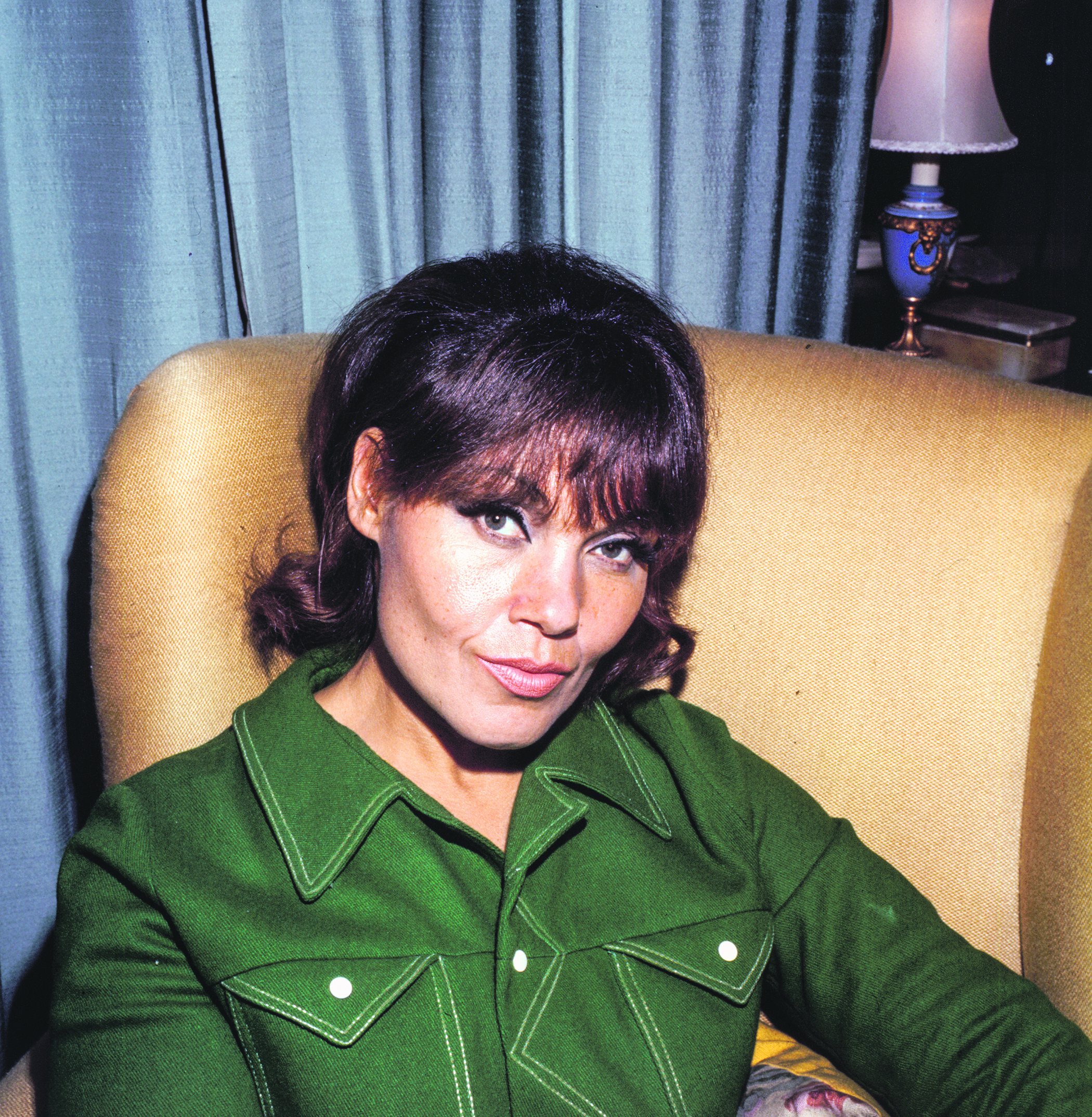
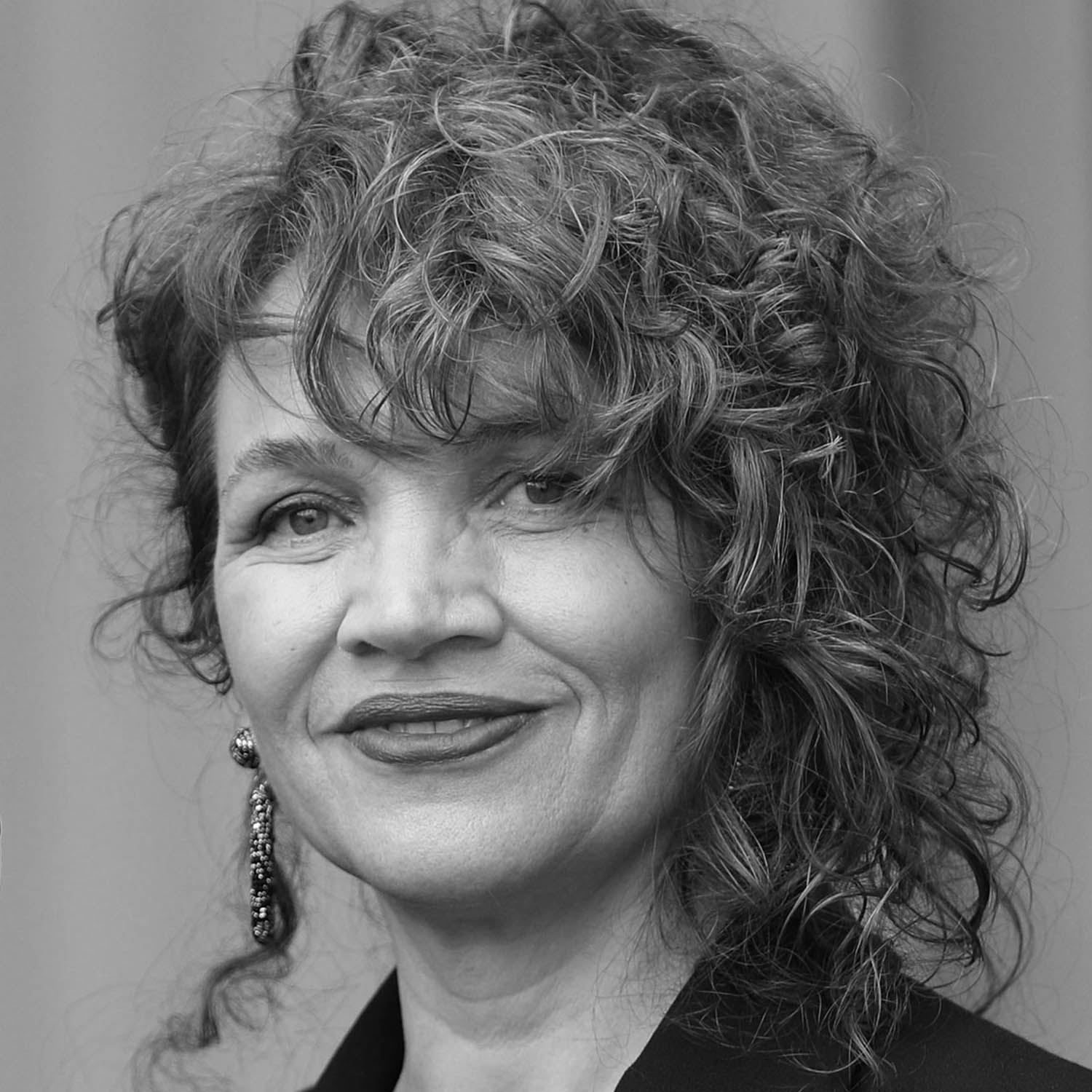


My earliest memory of mum was her making gingerbread men in Aspley Guise, the village in Bedfordshire where we lived. She would pull off the heads and eat them and we’d all scream. She had a wicked sense of humour. She used to talk on stage about how she fell in love with all her pianists. My dad [the musician John Dankworth] was a great ranconteur and I think he brought that out in her.
When my parents’ careers took off in the US, they would sell out the Hollywood Bowl for a week. My brother and I were teenagers and used to go on the road with them during holidays, which was pretty full on. I remember once dad was fed up with flying so decided we’d drive for eight hours instead. We went in a convoy but dad got lost so we had to pull up on the side of the road. He got out to talk to the road manager, but he’d left the car in drive by mistake because he wasn’t used to an automatic. Mum was in the front reading a newspaper and my brother and I were screaming because the car was still moving. She didn’t even look up but carried on reading and said: “Go tell your father.” That’s who my mum was: everyone would come to her.
When she was a child, Clemmy – as she was then – would be doing fisticuffs to protect her siblings if there was any argy bargy in the playground. She had a really tough centre, which I think probably stood her in good stead. She would not have anyone put down her or the people she loved; I think she must have come out like that.
Nobody else in this country was doing what she did in jazz. When she got her first record deal in the US, with RCA Records, she told them to treat her like a pop star, so they put huge billboards up in Los Angeles and Las Vegas, which hadn’t really happened to jazz musicians before. She was canny and determined, but she never compared herself to anyone else. She seemed to have her own aura and didn’t really worry about other people.
Our home was music, music, music. Mum and dad ran these courses that started at home. You’d look out of the window and there would be [the guitarist] John Williams practising among the roses, teaching these youngsters.
When mum met dad, she couldn’t really sing those high notes. He’d hand her some music and she’d say, “I can’t bloody well sing that,” and he’d say: “Go practise.”’ I remember mum on her own in the room for hours practising. She was one of the first to do harmonic singing with really high notes, a technique she discovered because she wanted to get noticed in the US. When I listen to her now I think, “bloody hell”. I used to ask how she hit those notes and she’d say: “Just pretend you’re a cat.”
Still, I think she was quite hard on herself. I don’t think she ever really realised how good she was. When she got dementia, we used to play her records to her and she wouldn’t know she was listening to herself. We’d say: “That’s you, mum. Do you think she’s any good?” And she’d say: “Hmm, not sure.”
My mum adored my father. The only time I ever saw her flounder was when he died. They were joined at the hip, and their lives were very intertwined. The day we lost dad they were hosting a 40th anniversary concert for The Stables theatre in Wavendon, Buckinghamshire, the venue they set up together. Mum announced his death right at the end of the performance, and then she sang He Was Beautiful. I don’t know how she got through that, but she was a very pragmatic, powerful person. She knew the show had to go on.
Photographs by Getty Images
Newsletters
Choose the newsletters you want to receive
View more
For information about how The Observer protects your data, read our Privacy Policy