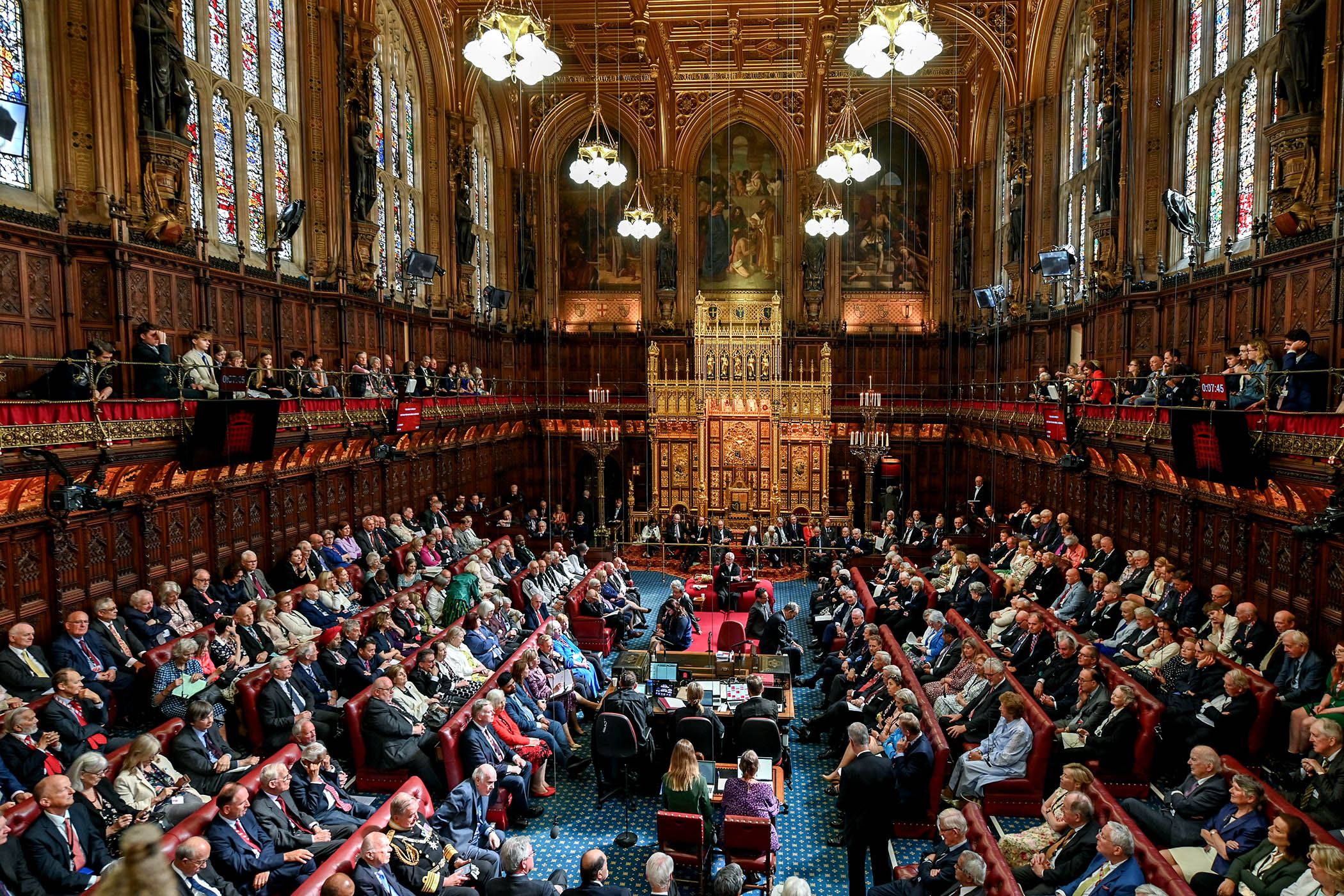

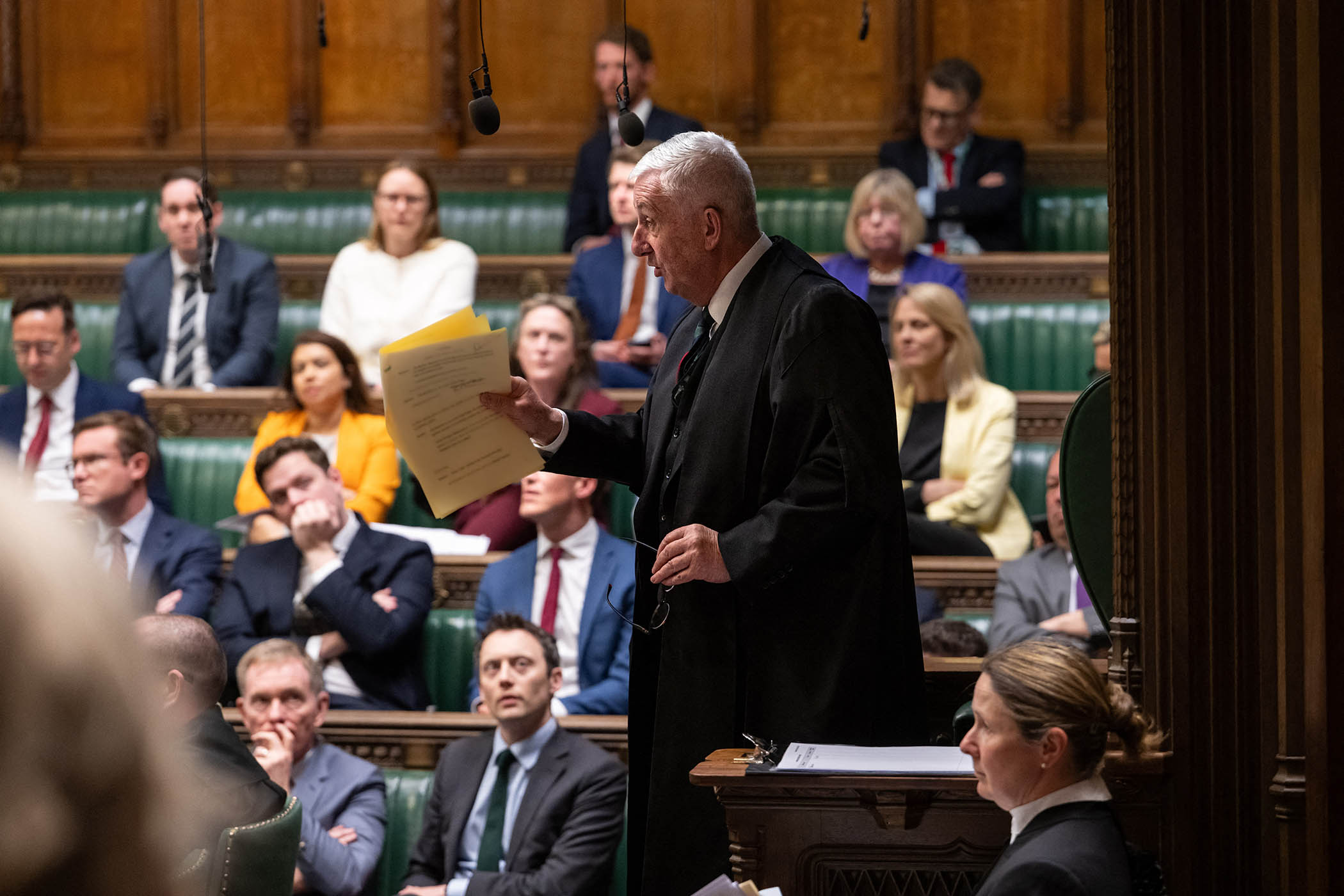

Last week Baroness Fox of Buckley said it was demoralising to be told she was “wasting her time” over the assisted dying bill. But it is Baroness Fox and a few others who are wasting the House of Lords’ time, the House of Commons’ time, and the country’s time.
The assisted dying bill, properly known as the terminally ill adults (end of life) bill, would only ever be used by a small number of people. But it would give reassurance for many that, if faced with a terminal diagnosis and the prospect of a painful and harrowing death, they would have a choice. It is a choice supported by a majority of citizens and MPs but opposed by an unelected minority in the House of Lords. Their current complaint is that the Parliament Act may be used to force the bill into law. If so, Britain should be grateful for the Parliament Act. The alternative is to allow a handful of peers to derail the most important and compassionate piece of social legislation of recent decades, and in the process to stand in the way of democracy.
The bill would allow mentally competent adults who are expected to die within six months, and who express “a clear, settled and informed wish to end their own life”, to get help to do so. Two doctors would have to agree they were eligible and a high court judge would have to be satisfied there was no sign of coercion. It was approved in June 2025 by a free and historic vote in the House of Commons.
It has since been held up in the Lords. A small group has tabled more than 1,200 amendments – some worth considering, some absurd, but in any case far more than the chamber has time to debate in this parliamentary session given the peers’ brazen tactic of running down the clock. They are seeking to kill it off with procedure instead of winning the argument.
Good people can disagree over the fundamentals at issue. In fact they are bound to as long as the main considerations for many voices on one side of the debate are religious or ideological. There are practical concerns too, such as the need for robust protections against the coercion of seriously ill people. These have been raised in good faith, but they have also been addressed, and none of these factors should be allowed to prevent the reform the House of Commons has passed.
At the heart of Britain’s democratic system lies a belief in individual dignity as well as choice. This bill provides for both at the end of life, when many people suffer unbearably because inertia and timidity have prevailed over choice and dignity. It ensures there will be guardrails against coercion, clear in their meaning and stronger than in other jurisdictions where medically assisted dying is legal, notably Canada. It would end the iniquity of the current situation in which the affluent can go to Switzerland to end their lives – in pain and alone – at a time of their own choosing, but most cannot. Those who can’t have to take their chances at home with a system that is not a system.
The worst-kept secret in the NHS is that doctors routinely hasten death for patients in severe distress, but outside the law and without the honest, open conversations this bill would require. It should not fall to doctors to improvise the end of life, any more than a cabal of peers should be allowed to sabotage legal assisted dying when the country has approved it.
This is constitutional vandalism and Keir Starmer’s government has a duty to confront it. If these peers are allowed to persist, they may hasten the end of the unelected upper chamber as we know it. That would be a silver lining, but not for those denied dignity in death because parliament and this government will not stand up for democracy.
Photograph by Annabel Moeller/House of Lords
Newsletters
Choose the newsletters you want to receive
View more
For information about how The Observer protects your data, read our Privacy Policy