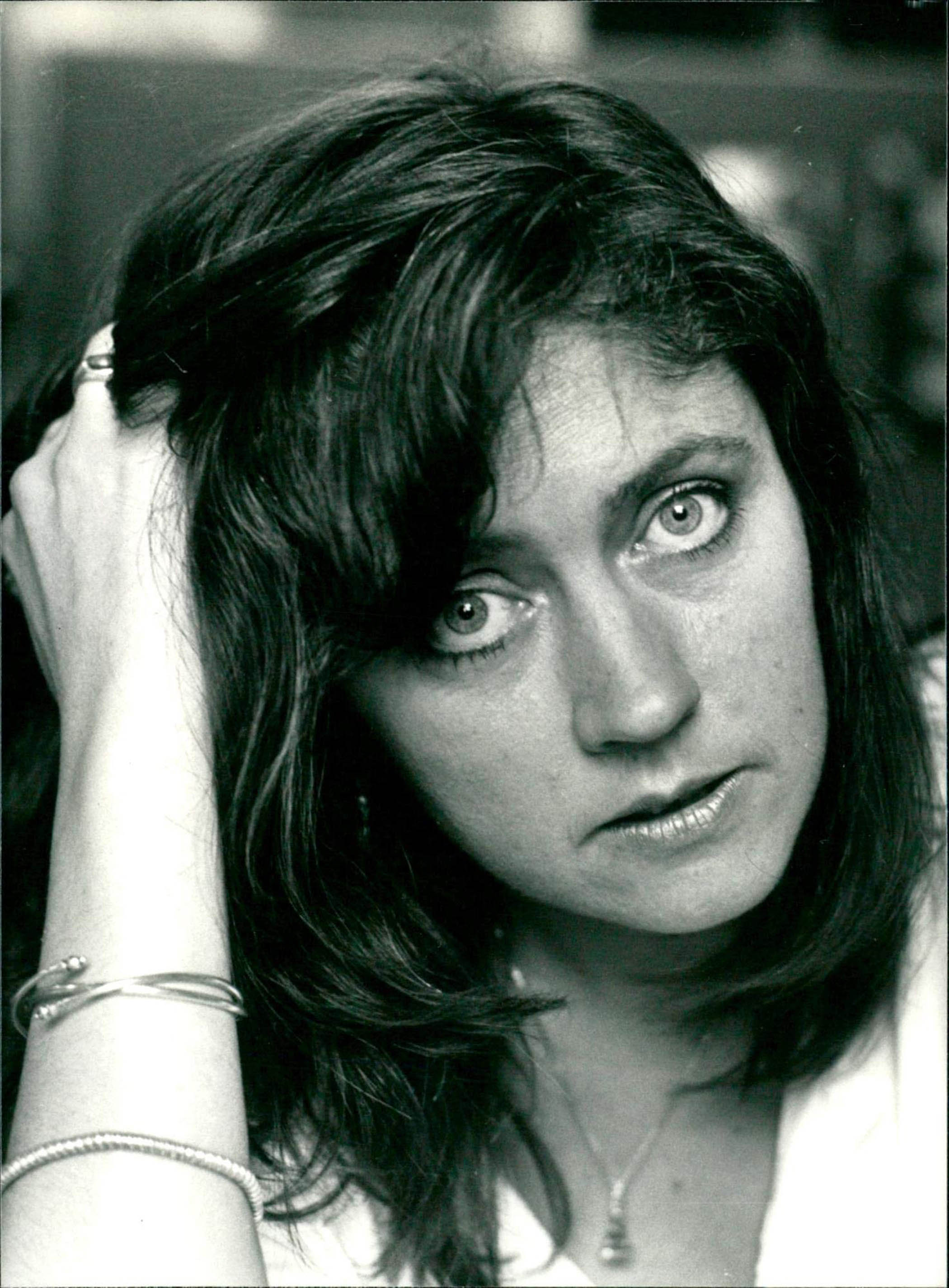


When Susie Figgis first cast her eyes on an 11-year-old Daniel Radcliffe, she felt that she had found The Boy Who Lived. “I looked at him and thought: ‘God, he’d be good’,” the casting director said.
There were two problems: Radcliffe’s parents didn’t want him to audition to play Harry Potter if it meant moving to Los Angeles, and Warner Bros was more interested in using a young American actor.
Steven Spielberg, the first choice as director, had reportedly wanted Haley Joel Osment, the star of The Sixth Sense, while Chris Columbus, his replacement, was keen on Jake Lloyd, who played Anakin Skywalker in the Star Wars reboot, or Liam Aiken, who was Susan Sarandon’s son in Stepmom.
Having cast most of the other parts but sifted fruitlessly through 40,000 applications for the part of JK Rowling’s boy wizard, Figgis resigned from the film, telling the Daily Mail: “I have done my absolute best. We’ve met some great kids. Ultimately, it’s the director’s point of view and vision.”
Warner Bros then decided to make the films in Britain and Radcliffe, who had impressed Columbus when he saw him in the BBC’s David Copperfield, was allowed to go for the part. The rest was magical.
Figgis could appreciate his parents’ reluctance. (They had already stopped him from auditioning for Oliver Twist.) She often cast child actors and put their welfare to the fore.
“You can mess up their lives if you’re not careful,” she said. Figgis would remind the children not to get too used to life on a film set – it would probably be the only film they make – and believed she was looking for the right parents as much as the right children. “Too pushy and they create the wrong kind of child,” she said.
You can mess up their lives if you’re not careful
You can mess up their lives if you’re not careful
Her other discoveries as children included Jodhi May, who won the best actress award at Cannes when she was 12 for A World Apart, and Eamonn Owens, who was cast in Neil Jordan’s The Butcher Boy when he was 14. Figgis hardly ever cast anyone straight from drama school, saying: “Their training gets in the way of being real.” Instead, she toured schools, trusting her instincts to identify a character.
“You have to find the thing that works for that film and run with it,” she said. “Which is why kids who are good in one particular part often don’t go on to be adult actors.”
Figgis was born in Kenya in 1948, the daughter of a lawyer. She was cousin of the Oscar-nominated director Mike Figgis.She was sent to boarding school in Britain aged 10, where she was miserable and wanted to be a boy until she was 14, calling herself Christopher. In later life, she had breast cancer and opted for a double mastectomy. Her hair, lost in chemotherapy, grew back white, and she cut it short. “Flat-chested, with a boy’s haircut, I feel a bit like Christopher again,” she said.
Newsletters
Choose the newsletters you want to receive
View more
For information about how The Observer protects your data, read our Privacy Policy
Expelled twice, she left school without A-levels and worked in an experimental theatre group. At the age of 23, a teacher introduced her to one of his star pupils and suggested they might benefit from each other’s education. This 16-year-old was Gail Rebuck, later chair of the publishing giant Penguin Random House and a Labour peer. They discussed literature over walks on Hampstead Heath and Figgis eventually sat her English A-level, getting a B. The pair remained good friends for almost 60 years.
Rebuck said that Figgis “drifted into casting”. Her first film was a 1977 thriller called The Assignment, starring Christopher Plummer, but her life changed when Richard Attenborough asked her to help him cast Gandhi. Alec Guinness, John Hurt and even Richard Burton were suggested for the title role, but it was Ben Kingsley who won the part and one of the film’s eight Oscars.
Figgis would cast more than 120 films, including The Full Monty, Interview with the Vampire and The Crying Game. Uberto Pasolini, producer of The Full Monty, called her “a deeply generous human being [who] would never settle for the easy solution”. While working again with Attenborough in the mid-1980s on Cry Freedom, she met her husband, Bill Anderson, a white anti-apartheid activist, with whom she had a daughter.
Her regular collaborators included the producer Stephen Woolley, with whom she worked on more than 20 films, and the directors Neil Jordan and Tim Burton. Woolley told Deadline that she was “a perfectionist who combined a ribald sense of humour with a commitment to serious movies and a respect for cinema and life”.
Among the rising stars she cast were Emily Blunt, for The Young Victoria in 2009, and Rami Malek, who won the best actor Oscar for Bohemian Rhapsody in 2018.
“She was brilliant,” Rebuck said. “She had a gimlet eye and could see people’s potential, travelling all over the country to discover talent. She really was the best casting director of her generation.”
Patrick Kidd
Susie Figgis, casting director, was born on 24 March 1948, and died on 12 December 2025, aged 77
Photograph by Sally Soames/Camera Press