
Related articles:
This article first appeared as part of The Puzzle edit newsletter – trends, histories, insights and brain teasers all in one place. To receive it in your inbox, featuring content exclusive to the newsletter, sign up here.
I hosted a pub quiz at The Lion, our community-owned local. Nine teams, seven rounds, and a warm June night. It was a roaring success, but I was nervous for days beforehand.
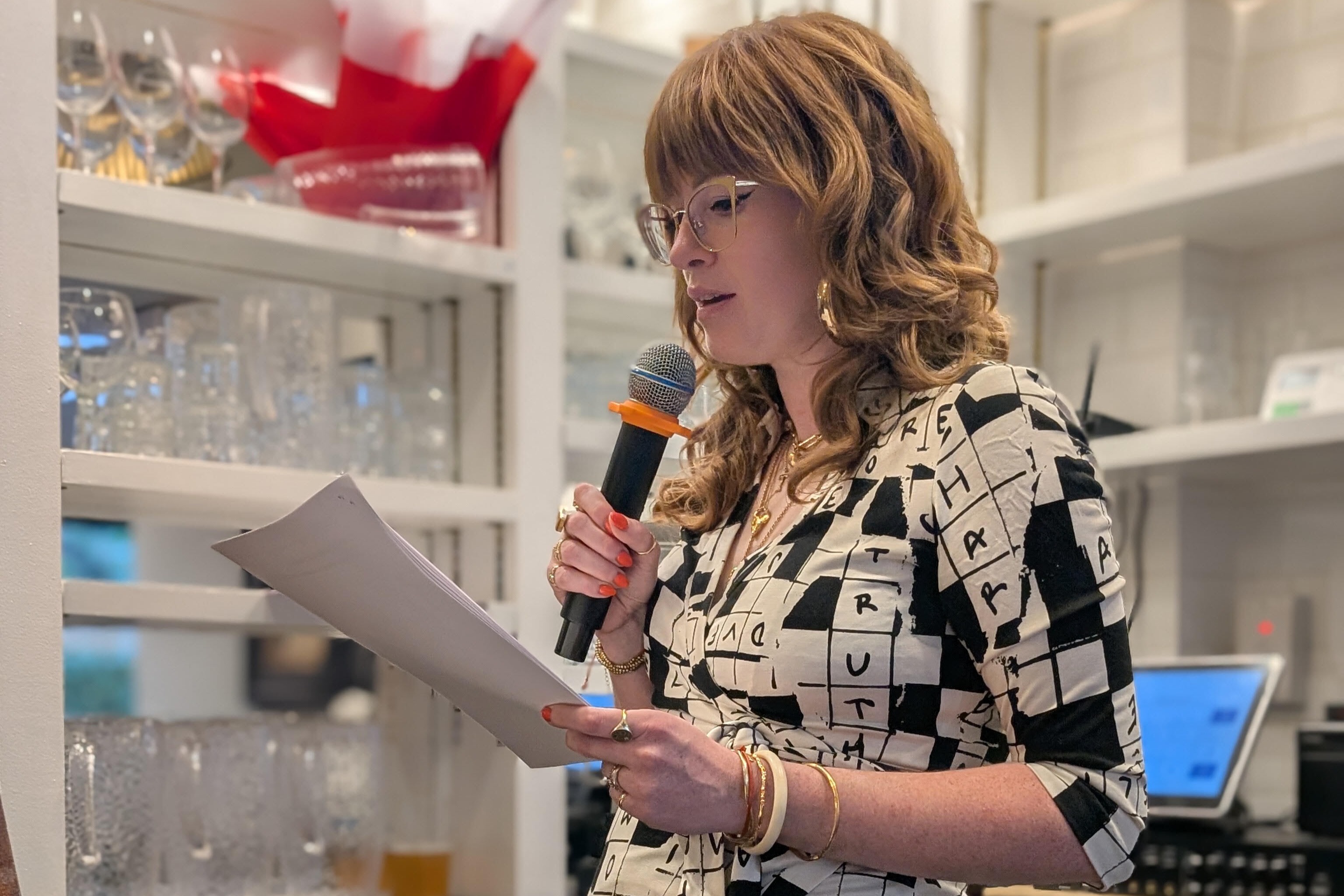
I’m always nervous before I host a quiz, which surprises people. I’m outgoing, and I put on the crossword dress, the perfect mix of visually and verbally loud. I have what I can only describe as a puzzles persona that takes over the moment I’m on. I’ve watched videos of myself hosting, and it’s like watching someone else entirely. I love that part of the job. But underneath it, I’m a bag of nerves: I can’t eat beforehand, I fixate on every last detail, and I’m not above a small glass of something for courage. I stayed up past 11 the night before, building rounds in my own time. Life was hectic that week, as it always is. I gave it everything anyway. A few people on the night said they could tell how much had gone into it. The thing that makes me good at this is also what makes it hard.
Hosting quizzes is something I claim not to do, but I’ve done it a fair few times now – The Observer’s company away-day quiz; my daughter’s school fundraiser; and now The Lion.
When I think about it, this is what I grew up around. My da wrote and hosted quizzes for the Hungry Horse pub chain in the mid to late 1990s: gregarious, foppish, with a sponge-like brain for the general and the obscure, somewhere between Hugh Grant and Stephen Fry. I can still picture him at the old Mac computer in the home office, writing his rounds. At the touchscreen quiz machines that dominated pubs back then, people would always pull him over to play alongside them. He’s been dead for years, and I hadn’t thought about any of that in a long time; until 11pm on Monday, halfway through writing a round of my own.
Of the seven rounds that night, we had a higher-or-lower round going into the break. It wasn’t meant to be the showpiece, but it became so by accident.
The premise is borrowed, knowingly, from Bruce Forsyth’s Play Your Cards Right. If you’re not familiar: two couples competed to guess the results of a survey of 100 people. One couple named a number, the other called it: higher or lower? Whoever was closest won control of a row of five giant playing cards and had to predict, card by card, whether the next would be higher or lower than the last. My take blends those two elements and loses the cards entirely. Instead I use facts, each with a number or a year at its heart. The answer each fact produces gives rise to the next question, linking the whole round into a chain.
The rules are simple. Those who are able, stand. If you think higher, raise your hand; if you think lower, stay as you are. Get it wrong, and sit down. The last team on their feet after 10 questions takes the points. There are no huddles, no answer sheets. You can see what your team-mates are doing and break from them if your gut tells you to, which it will. By the end, some teams were down to one person standing. There were huffs, gasps and the odd betrayed look from across the table.
Related articles:
The local area was the theme, and the pleasure was in the connections: Bushy Park’s acreage handing off to Richmond Park’s, Hampton Court’s room count setting up Buckingham Palace’s, one landmark feeding the next until it felt less like trivia, more like a tour. The Hampton Court garden festival, it turns out, outdraws a sellout Wembley event. Nobody saw that coming.
Of the handful of quizzes I’ve hosted, the school fundraiser had a slightly different format. It was gameshow-themed throughout, with every round drawing on a classic TV programme and written from scratch over weeks. Have I Got News for You, Family Fortunes, Catchphrase, Taskmaster, Play Your Cards Right and more. I’d even got the school’s projector and PA system to play the opening sequence of each show before the round started. This is what I mean about the nerves. I don’t do things by halves. It was at that event this way of playing higher-or-lower came into being. I’d planned for teams to scan a QR code, using their phones to vote. The wifi couldn’t cope. Fifty-odd people, a round to run and no working internet: I told everyone to stand up and be their own buzzer. Ninety seconds later, it was the best round of the night. The room was on its feet, laughing, groaning and dropping into chairs with great theatrical despair.
Newsletters
Choose the newsletters you want to receive
View more
For information about how The Observer protects your data, read our Privacy Policy
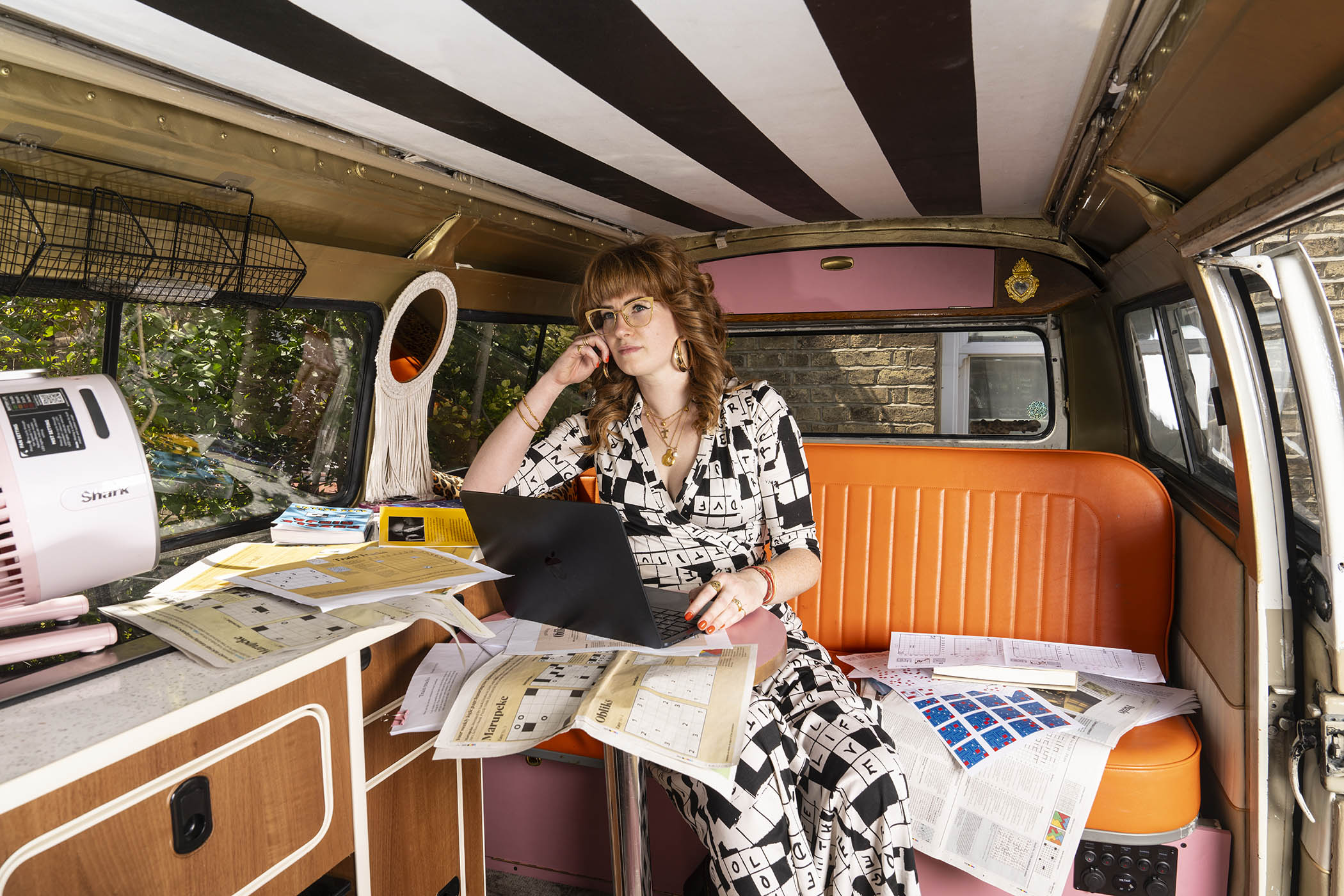
My friends like to take the piss by doing an impression of me: “I don’t know if you know… but I’m the puzzles editor of The Observer.” Well, it turns out I’m a quizmaster too.
Photograph by Sindy Pozdniakova