

One of the biggest trends in wine in recent years has been the rise of what the French call, in a pleasingly onomatopoeic phrase, “glou-glou” red wines. These are wines that set a high value on easy-going drinkability (gluggable is probably the closest English translation) and thirst-quenching refreshment (vins de soif is another French way of putting it) that are relatively high in acid and fresh of fruit, and relatively low in alcohol and weight, and which tend to have a kind of sappy quality that makes them compulsively drinkable.
It's a trend I’m fully on board with. In fact, I probably drink more of these lighter, acid-driven reds – especially from northerly European places such as Germany and the Loire Valley and cooler-climate corners of Australia and South Africa – than almost any other style of wine, most of the time. But when the mercury slips below zero and the evenings are icy and dark, the whole glou-glou thing begins to pall. The wines, with their squirt of fresh red currants and berries, start to seem a little thin and weedy – and altogether inadequate to the task. What I want, in icy, frozen January, isn’t the light, the frivolous and the racy. Instead, I crave sustenance and depth; I want wines that are warming and sustaining, serious and solid, the vinous equivalent of a hearty stew or soup or a seat in front of a properly roaring fire.
Gutsy, robust, and chewy. Big, muscular and powerful. Intense, inky and meaty. These are the trios of adjectives I want my deep-winter reds to embody as much as possible. And that generally translates into wines that, at other times of the year, might come across as almost uncomfortably confronting, with their armour of bristling tannins and fulsome alcohol levels. These are wines that have something elemental about them, a touch of the night, and that really require similarly heavy foods to mop up their excesses.
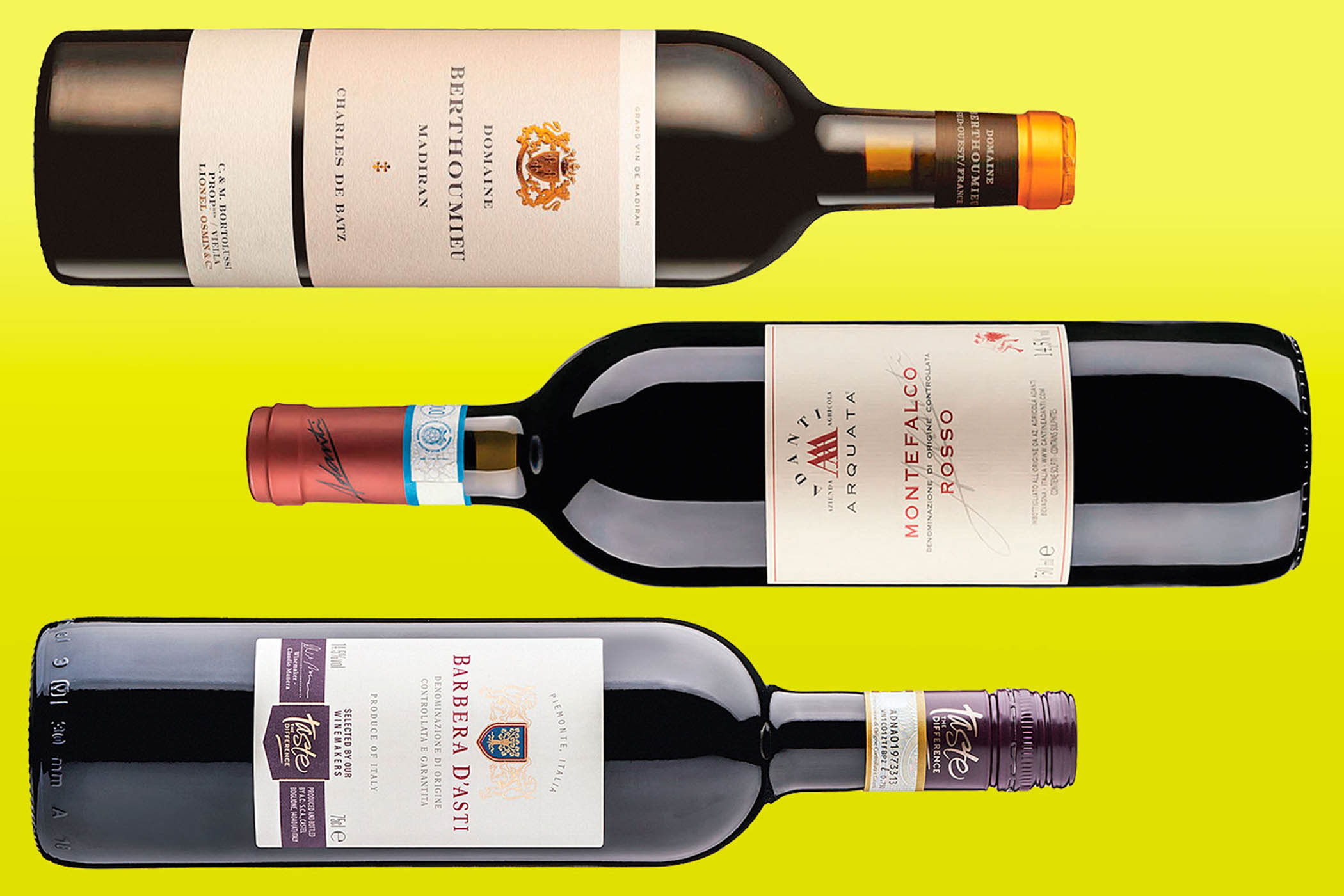
My search for wintry textures is often satisfied in Italy, where plentiful tannin isn’t something to be feared, but rather an essential part of the experience of all the best red wines, just as a dose of bitterness is integral to the joy of an espresso, a Campari or a Fernet Branca. Piedmont is a good place to start. The tangy cherry, blackberry and plum and the burst of tomato-like acidity act as a foil to the forceful but supple tannin and warming (14.5% abv) alcohol in wines made from the barbera variety, such as Sainsbury’s Taste the Difference Barbera d’Asti 2022 (£9.50) – a wine that acts as a relatively gentle beginning on an Italian tannin journey that leads to the pleasingly contrasting mix of ethereal perfume with sandpapery tannins and tarry darkness and earthiness you get from nebbiolo in a wine such as Brezza Sarmassa Barolo 2020 (£53, thefinewinecompany.co.uk; 14.5% abv).
The grip tightens, and the flavours darken, in the wines made from the burly sagrantino grape in Umbria’s Montefalco, whether it’s a dense and chewy, darkly blackberry-scented 100% example such as Memoira Colpetrone Montefalco Sagrantino 2016 (£18.75, waitrosecellar.com 14.5% abv) or the fruitier, more open but still appealingly firm structured blend of sagrantino with other varieties in Adanti Montefalco Rosso 2020 (from £19.40, fieldandfawcett.co.uk; highburyvintners.co.uk; bottleapostle.com; 14.5% abv).
France, too, has places where plentiful tannin and alcohol are seen as features not bugs The intensely chewy mix of rosehip, bramble fruit, warm earth and salted, bloody meatiness of the 15.5% abv Domaine de la Rectorie Côté Montagne 2022 (£25, thewinesociety.com) seems to have been drawn directly from the sun and stone of the Mediterranean seaside slopes of Collioure in the Catalan far south. While Domaine Berthoumieu Charles de Batz Madiran 2019 (from £24, adv.co.uk; buonvino.co.uk; 14.5% abv), from Madiran in the Pyrenean foothills of Gascon southwest France, with its darkest-dark inky curranty fruit, and steepling, monumental tannins ,may well be the definition of a true winter wine.
Newsletters
Choose the newsletters you want to receive
View more
For information about how The Observer protects your data, read our Privacy Policy