

Nobody would choose to be a vigneron if they were looking for an easy life. It’s a trade that has always been marked by continuous underlying stress and anxiety about the whims of Mother Nature, a constant stream of challenges that are entirely beyond your control, no matter where your vineyard might be.
It’s a life that has grown more difficult as the climate crisis has bitten. Threats either spectacular (wildfires, floods, hailstorms) or mundane but equally devastating (late spring frosts, mildew caused by warm, wet summer weather) have become more common and more severe with each passing year. Any of these are capable of taking away a whole year’s crop and livelihood almost overnight.
Some places take the difficult life to even greater extremes. Many of my favourite wines – the ethereal mencía reds of Ribeira Sacra in Galicia in northwestern Spain; the filigree rieslings of the Mosel Valley in Germany – come from vineyards that resist all forms of mechanisation and where even standing up is a challenge such is the steepness of the slopes. There’s even an official organisation, Cervim, that sets out to protect, promote and preserve these vineyards where growers are said to be practising “heroic viticulture”.
From my cushy seat on the sidelines of what Jancis Robinson once called the “parasitic” profession of wine writing, I have nothing but admiration for pretty much any grower trying to make sense of the harsh realities of modern winemaking – and that’s before I even get to the frightening economics (there are wealthy people in wine, as they say in the trade, but most of them were wealthier before they got involved). My most profound respect is for the winemakers who take their trade’s characteristic phlegmatic tenacity to a whole other level: the truly heroic winemakers working in the midst of all-out war.
It’s not just the missiles which test the winegrowers in Lebanon’s Beqaa Valley
It’s not just the missiles which test the winegrowers in Lebanon’s Beqaa Valley
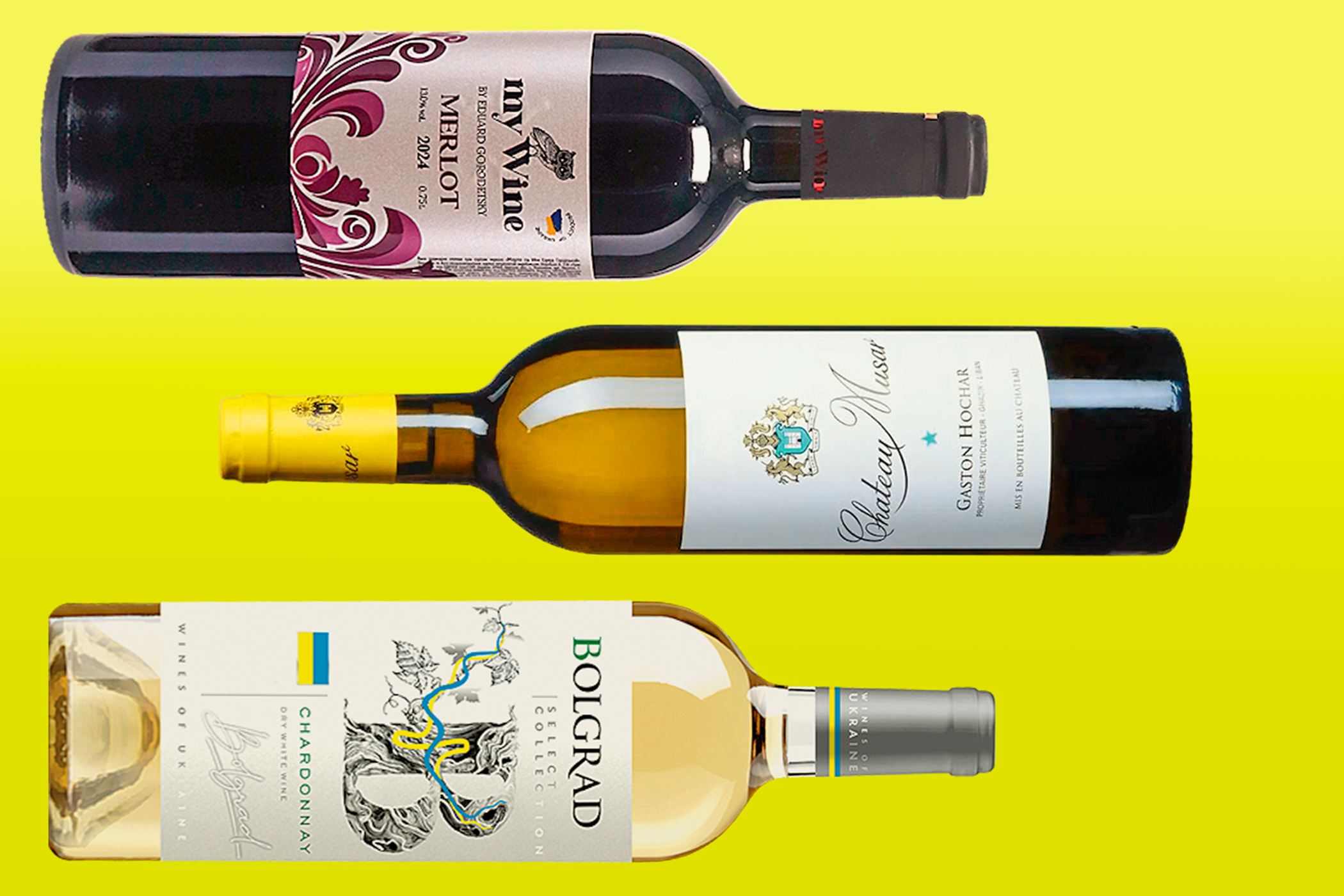
I was pondering this as I sipped the latest wines to make their way to the UK from Ukraine. There have been a flurry of these in the four years since the Russian invasion in 2022, all carried on a flood of goodwill from UK importers and retailers with a heartwarming desire to show material support for the country’s precarious wine business. Not all of them always feel as if they’re worth buying purely on quality alone, as opposed to being more of an expression of solidarity. But I would certainly endorse the quality of My Wine by Eduard Gorodetsky Merlot 2024, a hearty, plummy, sweetly baking spicy red that is well worth its £11.50 price at the Wine Society. It makes an excellent foil to the crisply engaging Bolgrad Odesa Chardonnay that the Society also has on its books (I’m basing this on the 2023 vintage, but the Society has just moved on to the 2024, £11.50).
In Lebanon’s Beqaa Valley, winegrowers have grown accustomed to working in wartime conditions over the past half-century, but the most recent conflict has tested even their astonishing levels of resilience and endurance. It’s not just the missiles and artillery fire striking winery buildings. There’s also the difficulty of acquiring essential equipment (barrels, corks, bottles), and of getting the wine out of the country. In that context, buying such outstanding wines as the honeyed nougat and peachy fruity of Château Musar Blanc 2018 (£40, Roberson), the suave textured, deeply dark fruited Ixsir Altitudes Rouge 2020 (£22, Laithwaites) and the delightfully pithy exotically fruited bordeaux-like dry white Château Ksara Blanc de Blancs 2024 (£19.15, L’Art du Vin) feels like a relatively easy way to reward those who only want to make wine, not war.
Newsletters
Choose the newsletters you want to receive
View more
For information about how The Observer protects your data, read our Privacy Policy