
On paper, there’s a lot to dislike about Italy’s Super Tuscan wines. That name, for a start, which sounds a bit crass, crude, almost Trumpy: these aren’t just any old wines from Tuscany, they’re next-level, awesome, better than the rest – super!
Then there’s the fact that so many of the stars of the Super Tuscan firmament are made in a way that feels like an affront to the current global winemaking zeitgeist and its obsession with the local and authentic: rather than relying on Tuscany’s sangiovese (the great local grape of Chianti and Brunello di Montalcino), the Super Tuscans are based either entirely (Sassicaia, Masseto, Ornellaia) or in part (Tignanello) on grape varieties from Bordeaux – merlot, cabernet sauvignon and others – and in a style that apes the great names of the French region.
Other gripes: the expensive cologne whiff of vapid international-hotel “luxury” that clings to the way the wines are marketed, an approach that has clearly succeeded in attracting a status-symbol-obsessed crowd that includes the Beckhams and Markles. And the prices: the top Super Tuscans are now standout performers on wine’s secondary market, with three-figures-per-bottle prices to match the best of Bordeaux and Burgundy.
It’s hard to remember that the original Super Tuscan movement had a kind of rebel energy when the wines first emerged in the 1970s and 1980s. From the first commercially available vintage of Sassicaia (1968), these wines challenged winemaking orthodoxy and local wine laws, and the people behind them (led by such unlikely rebels as the aristocratic Antinori family, who have been making wine in Tuscany since the 1300s) were forced to take the commercially risky decision to sell them as humble vino da tavola (table wines). This wasn’t just the superficial rebellion of bored landowners: there was a genuine belief that the winemaking rules they broke were hidebound by tradition and actively holding Tuscan wine back from its true potential.
When I first started to taste Super Tuscans back in the 2000s, I can’t say I was all that taken with them: too many had fallen foul of the then-widespread trend for exaggerated sweet ripe fruit, prominent oak and alcohol – they had more in common with California than Chianti. More recently, however, the wines have settled down and at their best today’s Super Tuscans have a unique, distinctly Tuscan style all of their own: lushly inviting, often with a sage-like lilt, they offer a distinctly Mediterranean take on a widely used recipe.
The most recent wine to confound any lingering animus I may feel towards the Super Tuscans was Ornellaia, which I was lucky to taste at a launch event in Vienna in early February. Founded in 1981 by an Antinori (Ludovico) and owned since 2002 (after a brief hiatus under famed Californian producer Robert Mondavi) by the Frescobaldis (another 700-year-old wine family), Ornellaia, like many Super Tuscans, is a bend of Bordeaux varieties from the coastal Bolgheri region of southern Tuscany. The latest vintage (2023), which will be available in the UK from April (price as yet undisclosed, but the current vintage is around £200) is especially delightful: plump, polished, silk-sheet soft and full of tumbling, soft black berries and cherries, it’s also exceptionally fresh, saline, sappy and energetic.
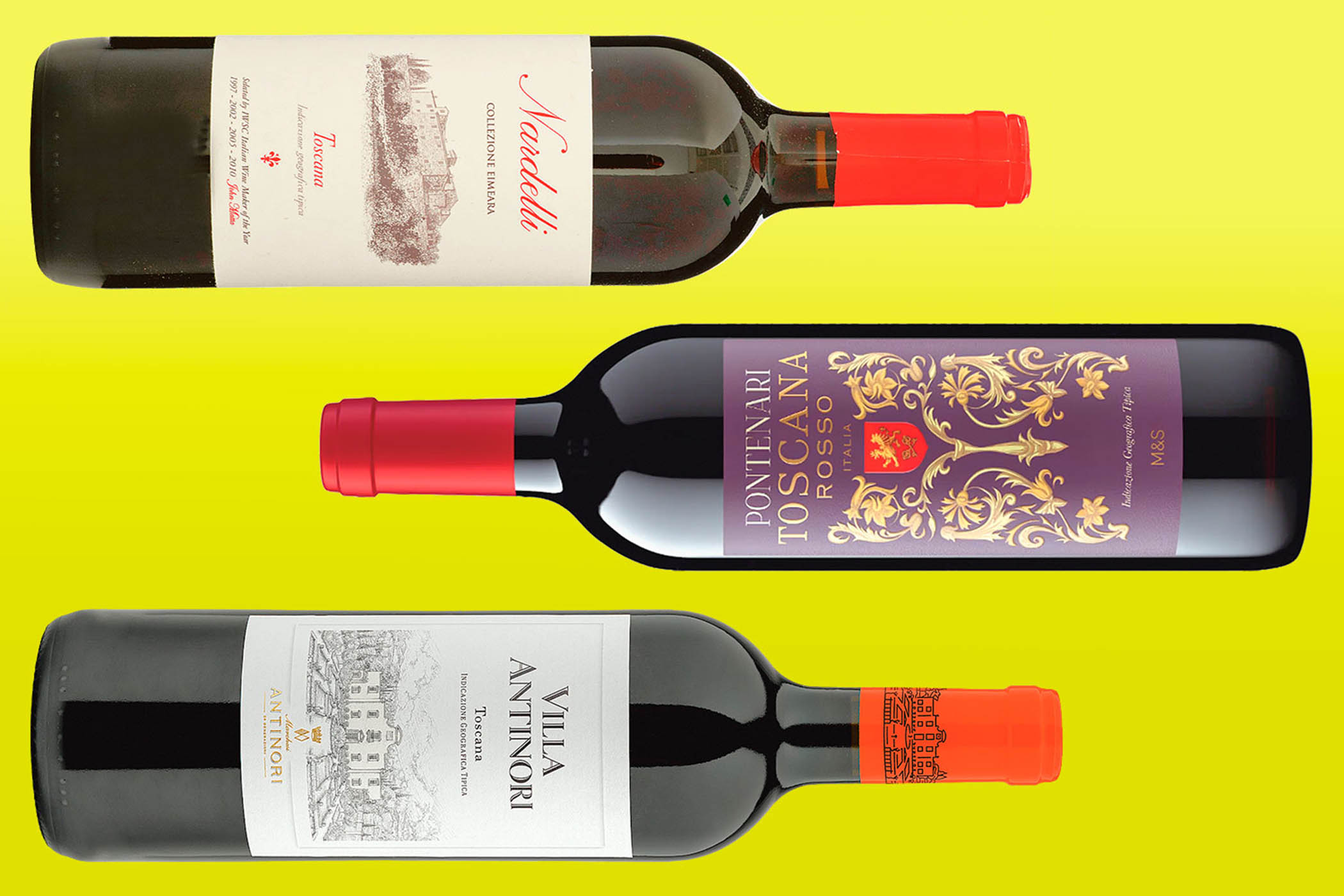
Fortunately, you don’t have to pay three figures for an intensely enjoyable Super Tuscan-like experience. Ornellaia itself has an excellent second wine, Le Volte dell’Ornellaia 2022 (£30, Majestic); the Antinoris make the pleasingly savoury and structured Villa Antinori 2022 (£20, Waitrose); and both Villa Nardelli Cuvée Carolina Toscana 2024 (£11.25, The Co-op) and Pontenari Toscana Rosso 2021 (£12, Ocado) use international varieties to make wines that pair seamlessly with pasta and a meaty, properly Tuscan ragù – and nothing could taste more Tuscan than that.
Newsletters
Choose the newsletters you want to receive
View more
For information about how The Observer protects your data, read our Privacy Policy