

Malbec, as a wine trade friend of mine once put it to me, has become the favourite red wine of people who don’t really like red wine. Super-soft, ebulliently fruity, tasting occasionally a little like chocolate, and with just enough of the qualities (tannins, essentially) that make red wine a grownup drink, it is to our times what merlot used to be when I was a wine-drinking lad in the early 2000s: the easy-drinking unchallenging red option (indeed, often the only option) down the pub and a reliably not-bad choice in the cornershop. Its popularity is widespread and shows no sign of slackening: the Tesco website lists just shy of 50 different malbecs, and examples keep emerging from far beyond either its original southwestern French home or the country that made it what it is today, Argentina.
Despite its ubiquity, I get the feeling malbec is something most people like well enough but few people really love: a useful commercial proposition that is fine as far as it goes, but isn’t in the same league as big-hitters like cabernet sauvignon, pinot noir or syrah/shiraz or the trainspotter’s paradise of rediscovered local varieties, from all over the winemaking world, that are the collective flavour of the month. But that impression is based on a very circumscribed picture of what malbec can do. In much the same way as merlot – which, as well as lending its name to a sea of generic reds, is the major grape variety in some of the most revered red wines in the world on Bordeaux’s Right Bank – malbec has another, more serious side. It is capable of greatness as well as reliability. And it’s also available in a far wider range of tones and styles than the supermarket stereotype allows.
It’s hard for this vinous Francophile to admit, but the overwhelming majority of the world’s finest malbecs now hail from Argentina. Not surprising, perhaps, when you consider that Argentina has around 50,000 hectares of vineyard planted to malbec – around three-quarters of the global total, while Cahors, southwest France’s prime malbec site, has less than a 10th of that. But it’s only recently – the past decade or so – that Argentinian winemakers have taken full flight with their favourite adopted variety. In the Andean winegrowing heartland of Mendoza, they’ve been paying much more attention to the specific areas (altitudes and soils) where it is planted, with special places such as Gualtallary, Paraje Altamira, Agrelo and Vistalba now appearing on labels alongside the wider sub-region, such as Uco Valley or Luján de Cuyo. The more ambitious wines have become more subtle, too, less forced, less obviously oaky.
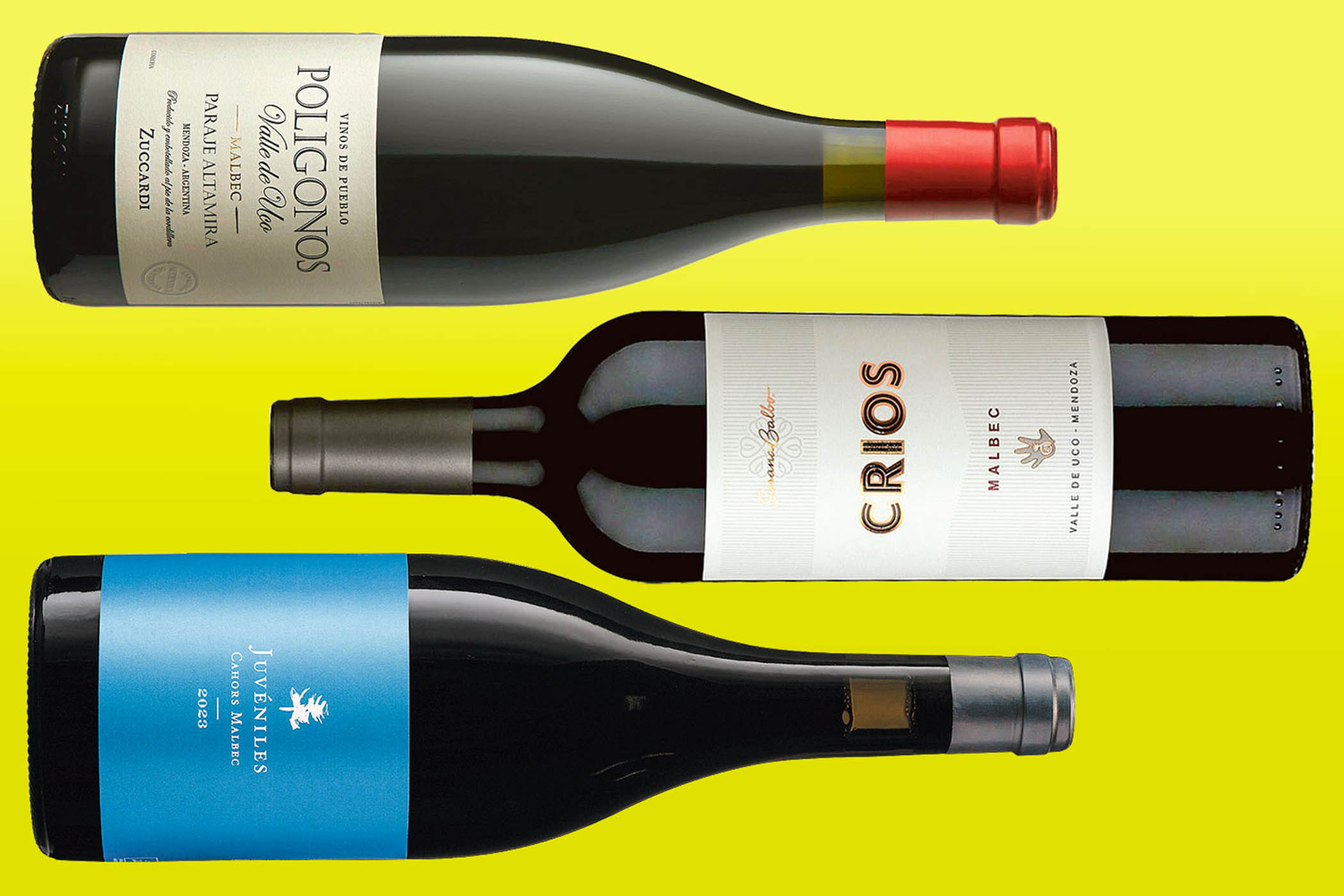
Looking ahead to World Malbec Day (17 April), I’d start a tour d’horizon of current malbec favourites with a pair of tempting offers on prime examples of the bountifully fruity style: Domaine Bousquet Finca Lalande, Mendoza 2023 (£9, down from £12, until 24 March, Waitrose) and the polished dark cherries of Susana Balbo Crios Malbec, Mendoza 2023 (£12, down from £17.75, The Great Wine Co), before working up through the silky texture and high-definition fruit of Zuccardi Poligonos Paraje Altamira Malbec 2023 (£26, Sainsbury’s) to the mountain-herbal elegance of Michelini i Mufatto La Cautiva Gualtallary 2021 (£47.95, Corney & Barrow).
A detour to France, takes in a little more tannic grip alongside the soft, fleshy berries in Clos la Coutale Cahors 2023 (£10.95, The Wine Society) and a natural-feeling vibrancy and pure drinkability in Château du Cèdre Juvéniles Malbec, Cahors 2023 (£17.77, Les Château du Cèdre). Last, a rare example of malbec in Spain: Bodegas Altolandon, Malbec “Mil Historias”, Manchuela Spain 2023 (£13.99, Bush Vines), from high-altitude vines in east central Spain, a vivid mix of lavender, blueberry, cherry and peppery spice that all true red-wine lovers will adore.
Newsletters
Choose the newsletters you want to receive
View more
For information about how The Observer protects your data, read our Privacy Policy