

When I look back at some of the trends in wine over the past year, I have a feeling not unlike the mix of smug affirmation and snobbish indignation I get when combing through all the books/albums/films-of-the-year listicle features that occupy arts journalists this season.
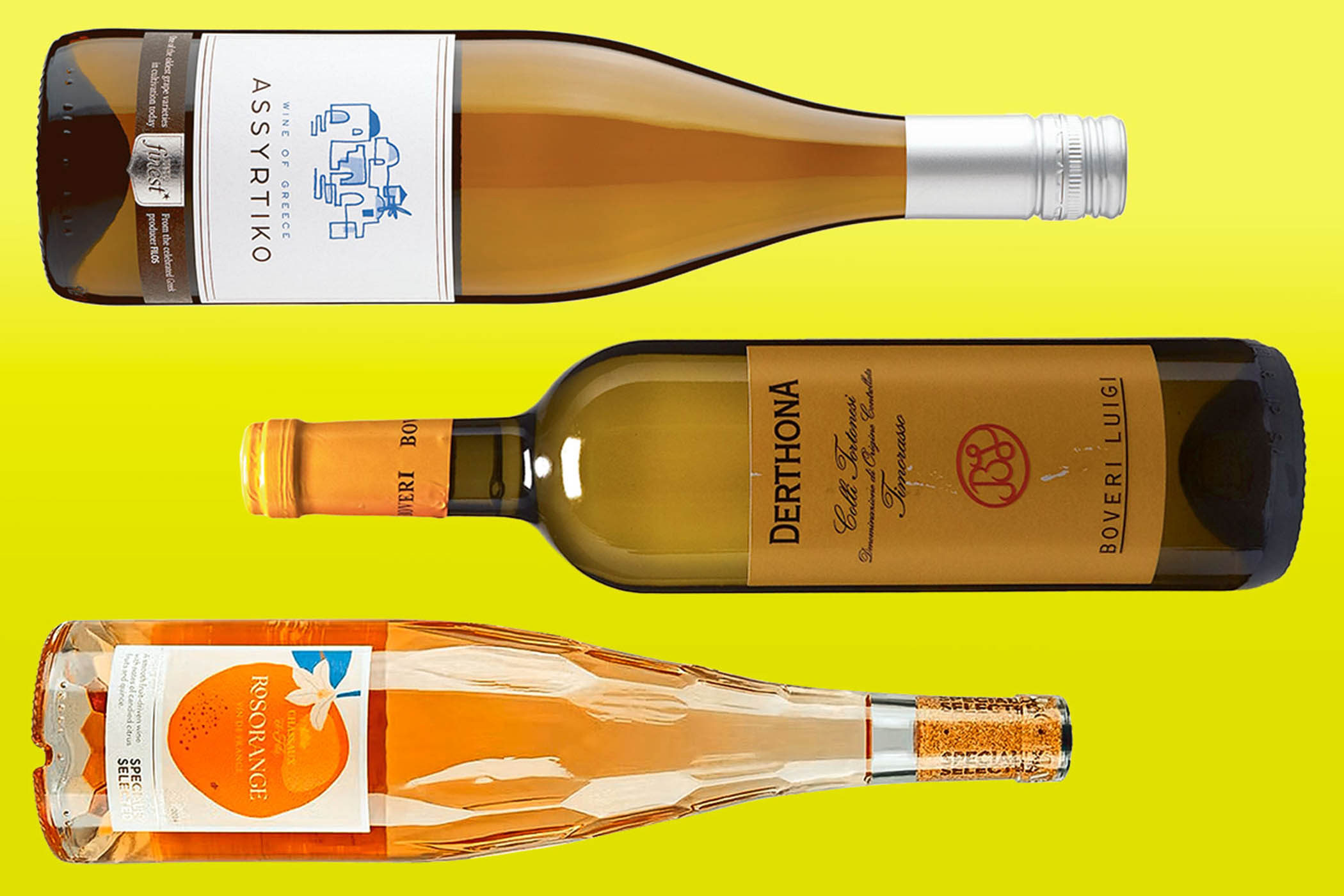
It’s daft and a little juvenile, I know, but at some level it bothers me that people don’t share my own personal favourites and are attracted in what seem like ever-greater numbers to things I think are abominations of taste. My vinous version of the below-the-line “How dare you omit [Finnish drone LP only 10 people have ever listened to] from your so-called best 50 albums” temper tantrum, for example, would be, “How come people still aren’t drinking more timorasso than prosecco?” To which the answer, I would grudgingly have to admit, is that, however interesting the richly aromatic, almost oily but stony-cool dry whites – such as Luigi Boveri Derthona Timorasso 2023 (£16, The Wine Society) – made from Piedmont’s rescued white grape variety may be, quantities remain relatively minuscule, and bottles still rather hard to find, when compared to the vast sea of prosecco produced each year.
My distaste at the seemingly unstoppable spread of sugar in commercial red wines masquerading as dry, meanwhile, is closer to the dispirited feeling I get when I cast my eye down the mix of tired sequels, remakes, and franchise extensions that occupy the top spots at the UK’s box office: do people really like this stuff? And there are parallels, too, in the reasons why I struggle to get to the end of either a glass of unnecessarily sugary Californian, Portuguese or Spanish plonk or to last until the credits of the latest Marvel: both use simple, blunt tricks (a big dose of sugar; CGI, explosions and constant cutting) to mask abundant flaws and a fundamental lack of depth.
Why are people attracted to things I think are abominations of taste?
Why are people attracted to things I think are abominations of taste?
Still, while I’m obviously committed, as a wine writer, to the idea that people could have a better time, and at no greater expense, if they could wean themselves off some of the more obviously industrial wines pushed into their baskets via discounts and prominent shelf-space, I am usually able to get over myself enough to allow for the principle of each to their own. And, in any case, this year a lot of developments in wine have been very much to my taste.
It’s been great, for example, to see the increasingly exciting and unpredictable side of Argentina beyond its (often-fantastic and constantly improving) malbec get a bigger share of attention, in wines such as the effortless, high-definition, cassis-and-cherry freshness of Zuccardi Poligonos Gualtallary Cabernet Franc 2024 £25, Laithwaites). And I’ve been delighted to watch Greek wine continue its progress in the UK, to the point where no respectable merchant can go without stocking at least a bottle or two. The emergence of a first own-label Greek – the scintillating dry white Tesco Finest Greek Assyrtiko 2024 (£11, Tesco) – alongside the gorgeous white peach-fleshy, pithy but fluent dry white Alpha Estate Malagouzia Single-Vineyard Turtles, Macedonia 2024 (£18.80, Wine Direct), at the UK’s largest wine retailer has been a significant landmark in this journey.
I’m happy, too, with the continued blurring of the once-rigid boundaries between wine colours. There are light, almost-tannin-free red wines for chilling (such as the vivid pomegranate juiciness of M Chapoutier Rouge Clair, Rhône, France 2024, £15.50, Oxford Wine). As well as macerated white and orange wines with a nibble of red-wine-like tannin (such as the vermouth-alike herbiness and pithiness of Domaine Jones Orange Macabeu, Languedoc, France 2024, £22, Fareham Wine Cellar), and the moreish orange-citrus and Haribo peachiness of Aldi’s big-selling orange-meets-rosé cross Chassaux et Fils Specially Selected Rosorange (£7.49, Aldi). All are worth a spot in my own, no-doubt infuriatingly partial end-of-year review.
Newsletters
Choose the newsletters you want to receive
View more
For information about how The Observer protects your data, read our Privacy Policy