
We already knew that mayor Mamdani was going to turn his back on the Met Gala, the Big Apple’s biggest night in fashion. The shindig – hosted by queen Anna Wintour since 1995 – raises funds for the Metropolitan Museum’s Costume Institute and in recent years the city’s mayors – Eric Adams, Bill de Blasio, Michael Bloomberg – have happily donned their extra-glad rags in aid of the cause.
Mamdani did more than send his excuses, however. As Beyoncé’s crystal skeleton gown glittered from the Met’s steps and Lena Dunham in blood-red feathers channelled Artemisia Gentileschi's Judith Slaying Holofernes (at least that’s what we were told), the mayor sent out a series of social media posts championing the bedrock of New York’s threatened garment trade. “Work of art: Turning the lens on the workers who power fashion”, the set was captioned.
Individuals highlighted in Mamdani’s post included Hafeez Raza, originally from Pakistan, who learned to sew at 10 and now runs a shop on Coney Island Avenue in Brooklyn. Christopher Anderson, now master tailor at Saks Fifth Avenue, having worked in clothing for 50 years was next. Born in Jamaica, he is shop steward for Workers United, the union representing the employees of the department store. “Union workers, especially garment workers, built this country,” he says.
Tellingly, the final slide showcased Latrice Johnson and Lamont Hopewell, both former Amazon warehouse workers who met organizing for the Teamsters for fair pay and better working conditions. Lamont addresses the company’s leadership: “If your kid worked at Amazon, what type of benefits would you want them to have?”
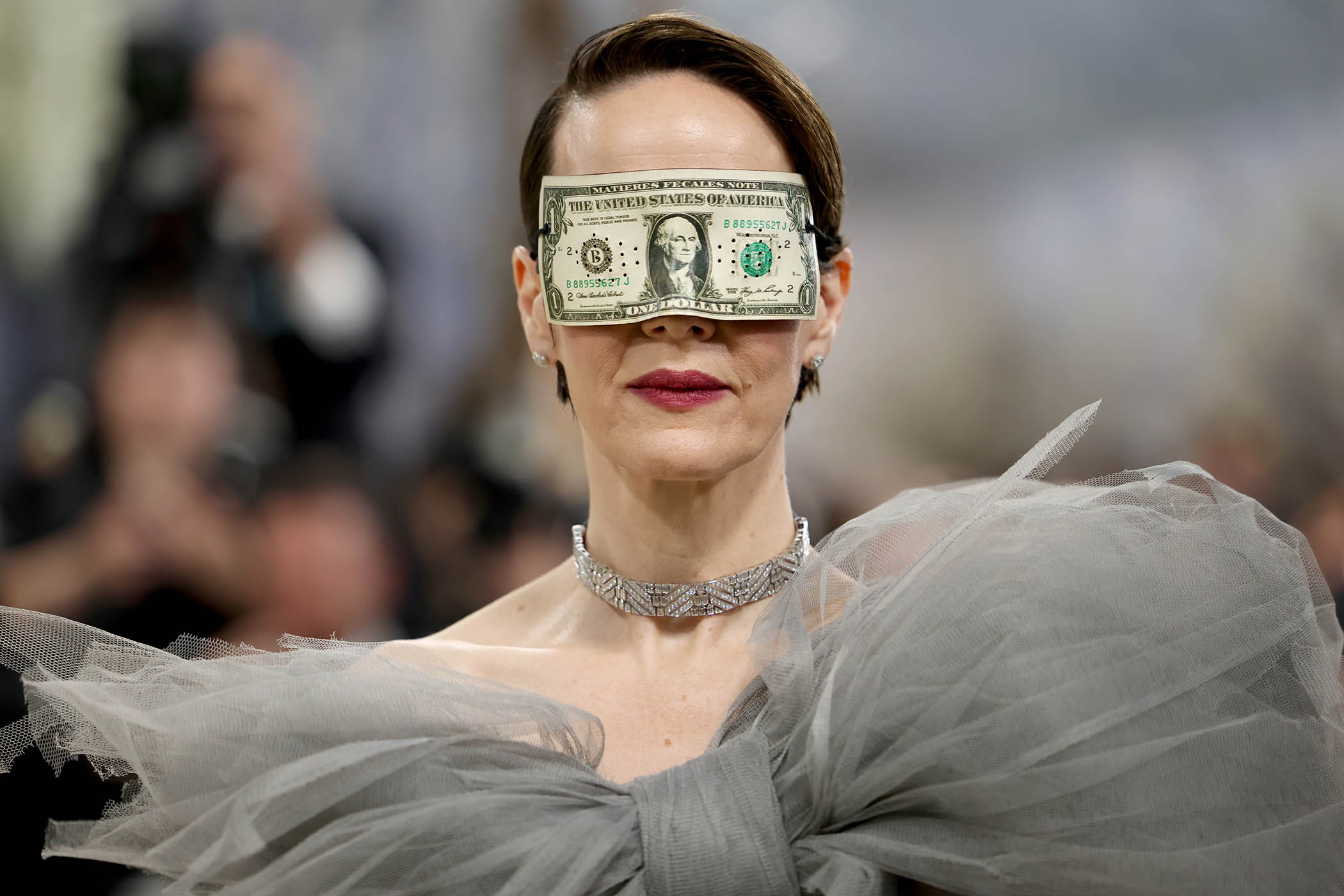
As it happened, this year the main source of funding for the evening was Amazon’s own Jeff Bezos; he was, along with his wife, Lauren Sánchez Bezos, the event’s honorary chair. Sure, actress Sarah Paulson turned up in a blindfold made from a dollar bill – a gesture reminiscent of Rep. Alexandria Orcasio-Cortez’s “tax the rich” dress, worn in 2021 – but the gesture seemed half-hearted. Is there a sense that – as the price of oil stays relentlessly high and Americans are rightly focussed on the ever-escalating cost of living – the Met Gala has jumped the shark? There have been reports that Wintour was startled by the backlash this year: "She never imagined the Met Gala would start being seen as a symbol of excess instead of a cultural institution”, an insider claims.
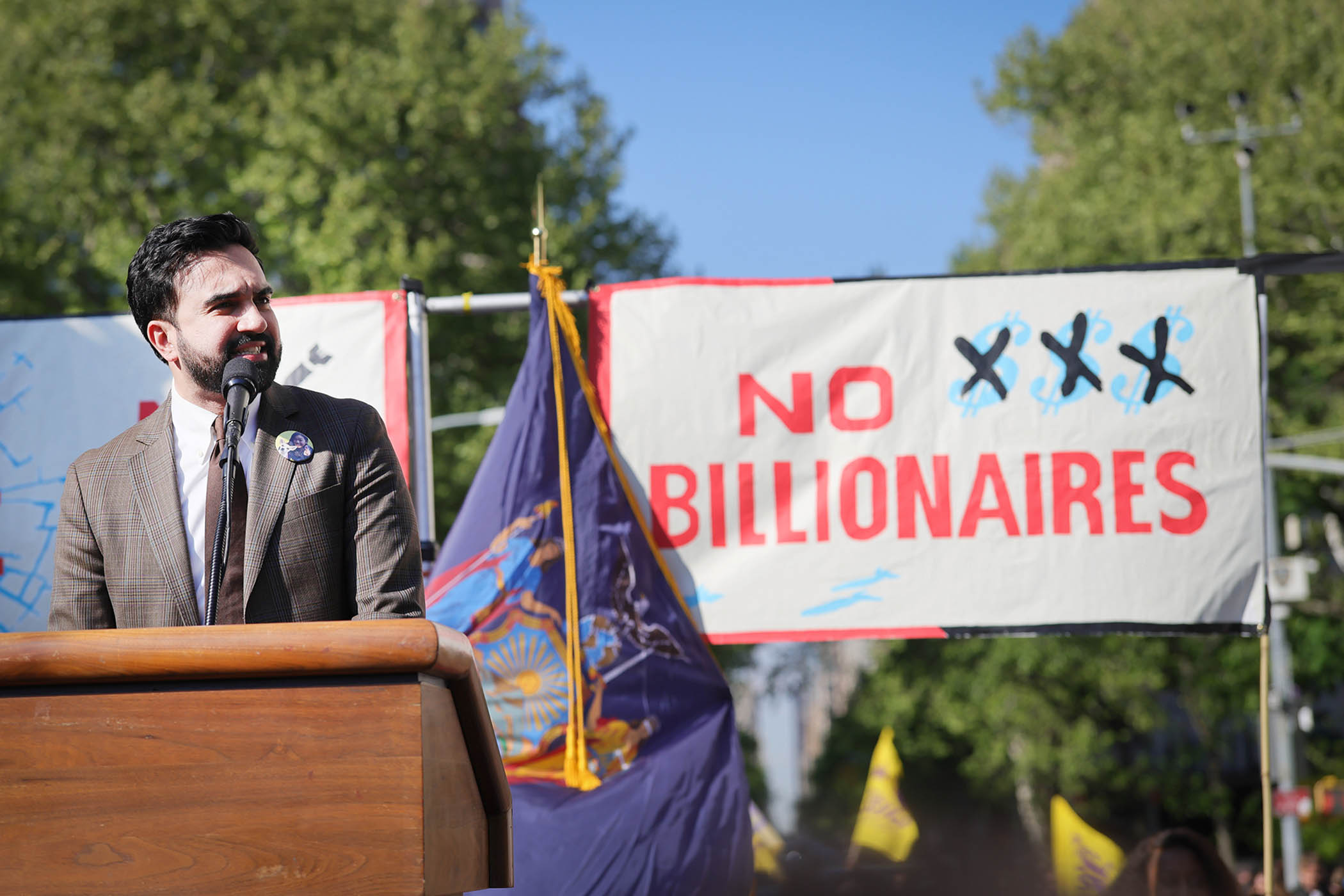
There is no doubt that mayor Mamdani has a genius for messaging. Historian and critic Tom Dyja – who wrote for The Observer that when Mamdani was elected New Yorkers had voted for “a city that belongs to them” – thinks the mayor has his finger on the pulse. His proposed tax on pieds-a-terre in the city has the backing of governor Kathy Hochul and, as Dyja says, “it feels like people have been wanting this for a long time. So he's got a lot of support.”
In giving a shout out to the garment industry, Mamdani also seems to understand what made New York City in the first place. Dyja’s most recent book, published in 2021, is New York, New York, New York: Four Decades of Success, Excess, and Transformation – but he is at work on a history told through clothing, both fashion and manufacture. “When you talk about manufacturing in New York City, you’re talking about clothes,” he says. “In the 17th century, Henry Hudson showed up in a lace outfit that entranced the Munsee” (the branch of the Lenape that Hudson encountered along the river that now bears his name) “and it all went along from there.” There’s meat behind Dyja’s joke. From the trade in beaver fur for hats and on into the 20th-century, the rag trade made the city. The Triangle Shirtwaist factory fire of 1911, in which 146 people – nearly all of them young women – died because they were locked into a burning building was a transformative moment in the history of labor legislation, leading to further sweeping changes enacted during the period of Franklin Roosevelt’s New Deal.
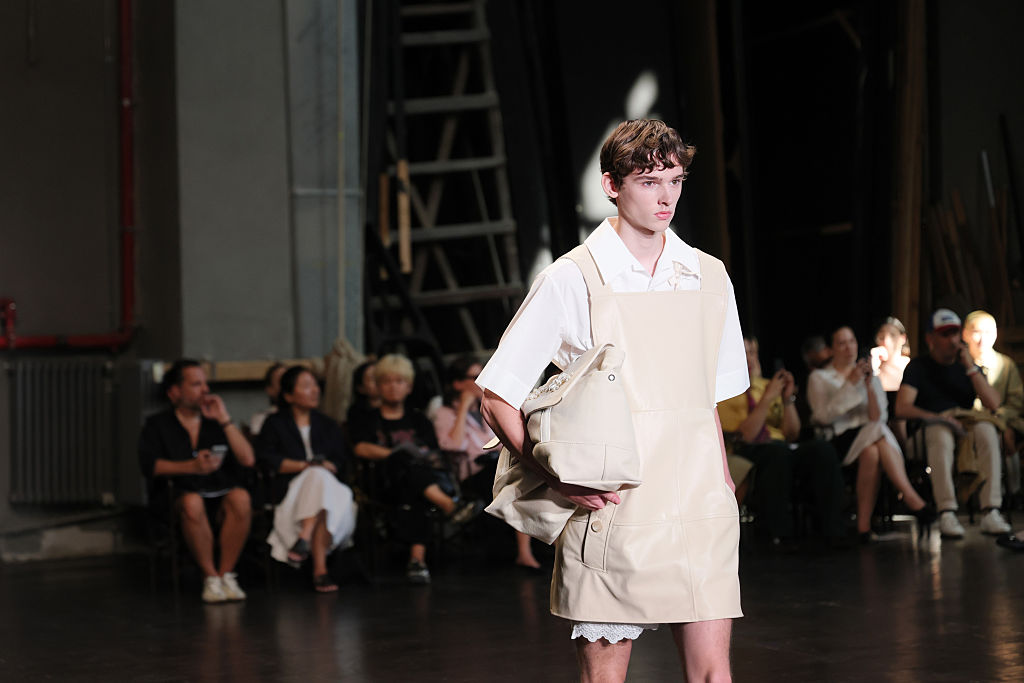
According to the City, the fashion industry employs 180,000 New Yorkers: 6% of the city’s workforce, generating $10.9bn in total wages. But a study by McKinsey in 2024 tracked a significant decline since 2014, and not just because of the Covid pandemic. Dyja isn’t surprised. “The garment district” – midtown Manhattan, between 6th and 9th Avenues, where much manufacturing used to be – “has been rezoned, because the city’s need for housing is greater than the need for factories. How do you compete with fast fashion, with companies like Zara? You can’t,” he says. And more’s the point: you don’t really want to. “So much clothing manufacture is essentially sweatshop-based. And we know sweatshops are not a good thing. There’s a reason Marx wrote about cotton. Essentially, every generation that has made clothing here has been exploited until they could work their way out of it.”
Mamdani doesn’t scorn fashion, Dyja is keen to stress; just look at his cool millennial suits sourced from Suitsupply – classy yet comfortably mid-market stuff. Turns out you don’t need to wear a dress that says Tax the Rich to make your point.
Photograph by John Shearer/WireImage, Spencer Platt via Getty Images
Newsletters
Choose the newsletters you want to receive
View more
For information about how The Observer protects your data, read our Privacy Policy