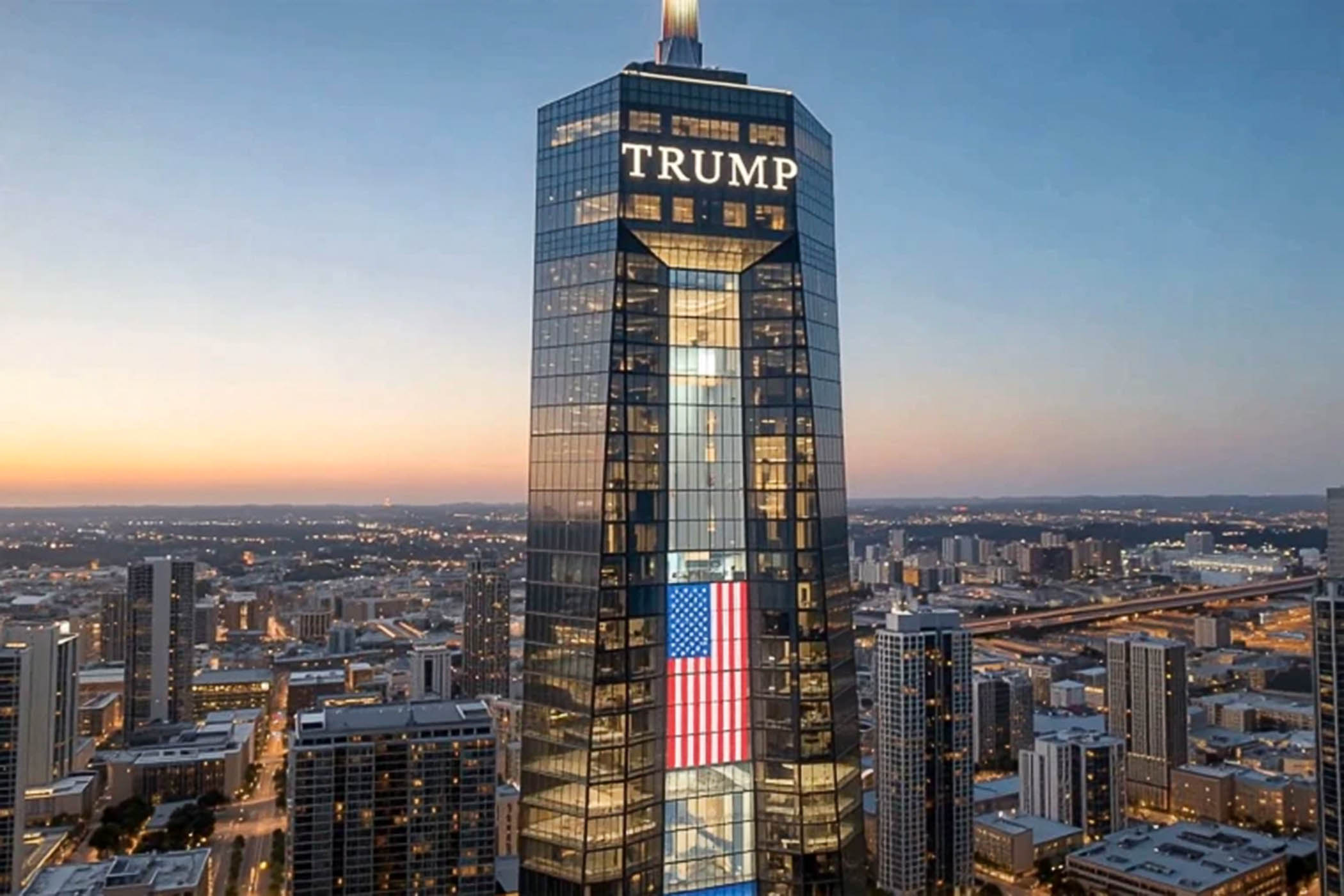

Jumbo jets are not commonly found in libraries. Images of the forthcoming Donald J Trump Presidential Library have been released that show one in its entrance hall. This, and the presence of a vast golden statue of the president, perhaps inspired by the statuary demanded by despotic rulers of ancient empires seek to invoke shock and awe. “Look on ye mighty and despair”, is the intention.
Discussion of the new library has almost entirely overlooked a key element of the institution – it is meant to be a library, one that contains the documents, photographs, tapes, digital files of the president, the record of his leadership of the most powerful and richest nation on the planet. The presidential libraries are archival institutions, and come under the jurisdiction of the National Archives and Records Administration, a branch of the executive of the US government normally headed by the Archivist of the United States (AOTUS). At the moment there is no AOTUS, the previous incumbent, Colleen Shogan, having been one of the first casualties of the Trump administration’s second term of office. Marco Rubio, secretary of state, is currently listed as “acting archivist”.
The presidential library system in the US is an interesting case study in the social importance of preserving knowledge. The records of a presidential administration are required to be preserved by the National Archives and Records Administration under the Presidential Records Act of 1978, and housed in presidential libraries under parallel legislation that was begun by President Franklin D Roosevelt, and eventually passed in 1955. The papers of the presidents of the 18th and 19th centuries had mixed fates: some of them survived in reasonably good order (many of them are now in the Library of Congress), others did not survive, and it was these gaps in the historical record that prompted FDR to develop the presidential library system. The Herbert Hoover Library was the first to be established, in the rather unlikely setting of West Branch, Iowa, and 16 more have followed, sometimes situated in the birthplaces of the presidents, often on university campuses in their home states, such as Lyndon B Johnson’s in Austin, Texas.
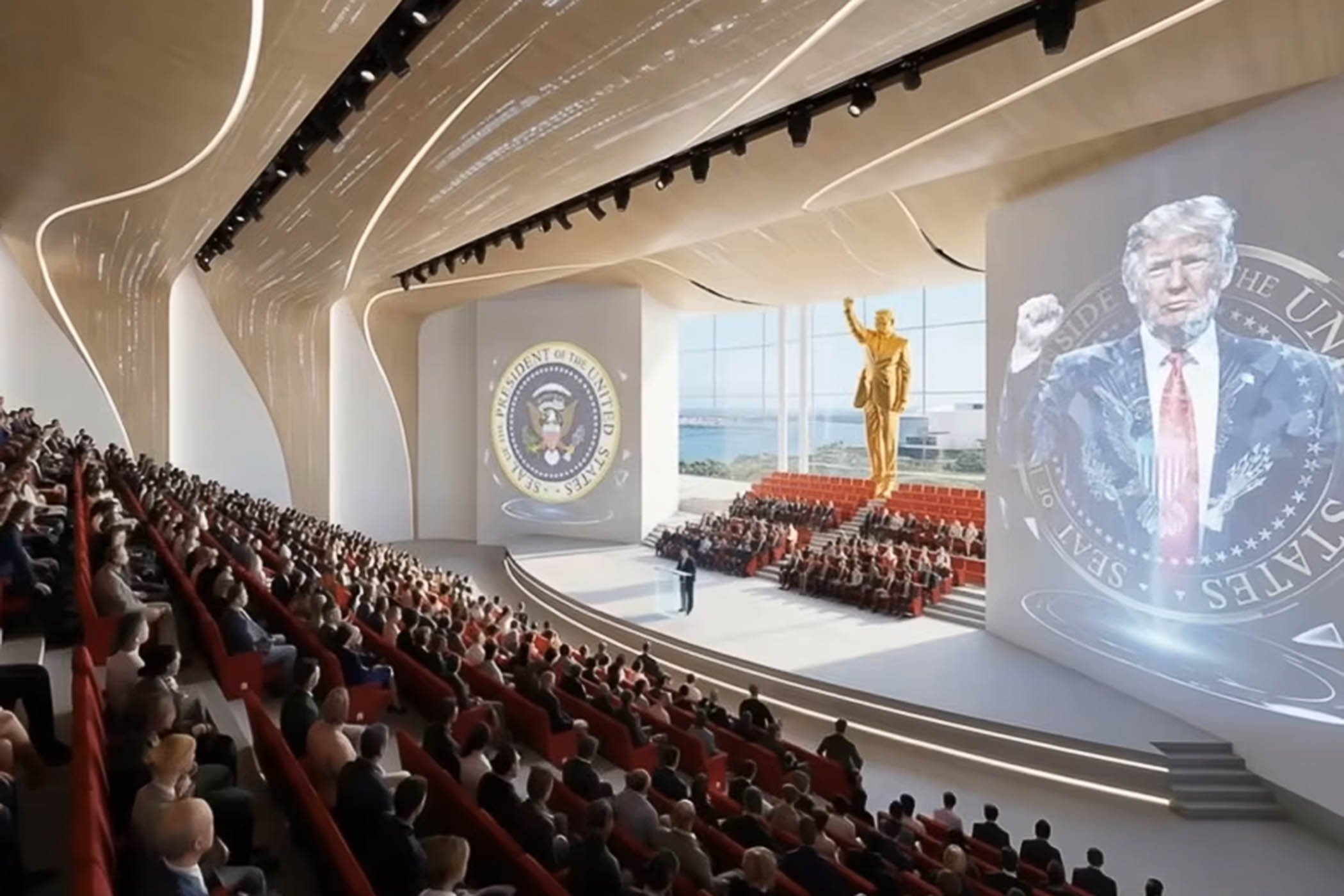
The presidential papers themselves are the property of the American people. The private papers (those that document the presidential existence before and after their term of office) are private property, but these have been normally added to the collections, to maintain the archival record of an entire life. In most cases artefacts (clothes, furniture, medals and so on) are added, enlivening the displays that are a key part of the role of the libraries – to help the American people understand and appreciate the lives of the presidents and their place in the broader national history.
Underpinning all the legislation that surrounds the presidential libraries is the idea that preserving this knowledge matters. The records provide a sense of transparency and accountability for the incumbent: the 1978 Act was, after all, brought into being in the wake of the Watergate scandal. The papers are owned by the people, the president and his administration are funded by the people, and the people have a right to know what the president has been up to. Of even greater importance is the allied notion that history matters. That the future will look back on the times documented in the archives and have the ability to pass judgment, and to take some lessons from history, less (to borrow from George Santayana) we become doomed to repeat it.
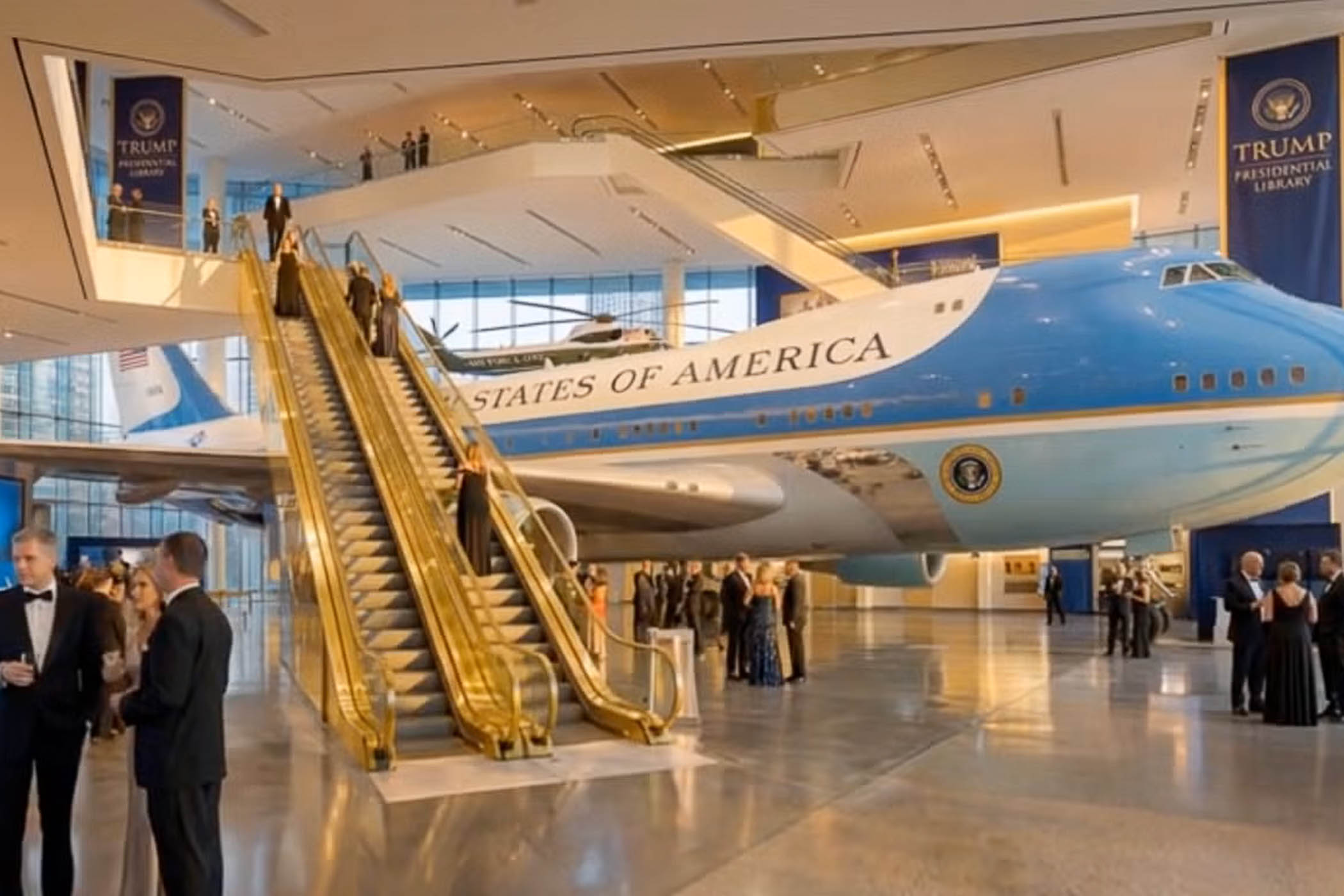
These core notions are, however, currently under severe challenge from the president himself. A recent memorandum from the justice department’s Office of Legal Counsel states: “Do we regard the Presidential Records Act as constitutional? We do not.” This implies that the records created during Trump’s term of presidency are his property and not the property of the people. Nixon also challenged this basic assumption, but was overturned by the supreme court. If Trump succeeds, hundreds of millions of digital files, emails and paper documents will be hidden from public view. A lawsuit challenging the memorandum (which is likely to be taken as an instruction by the staff of the administration) has been filed by the American Historical Association and American Oversight.
Access to the official records of a nation, including those of its head, is a fundamental tenet of democracy, enabling accountability, transparency and the judgment of history. It is meant to uphold the sense of integrity from those in public office. How ironic that in its 250th anniversary year, these ideas are being placed into the dustbin of American history.
Richard Ovenden is Bodley’s Librarian and the Helen Hamlyn Director of University Libraries at Oxford University. He is the author of Burning the Books: A History of Knowledge Under Attack
Photographs by Trumplibrary.org
Newsletters
Choose the newsletters you want to receive
View more
For information about how The Observer protects your data, read our Privacy Policy