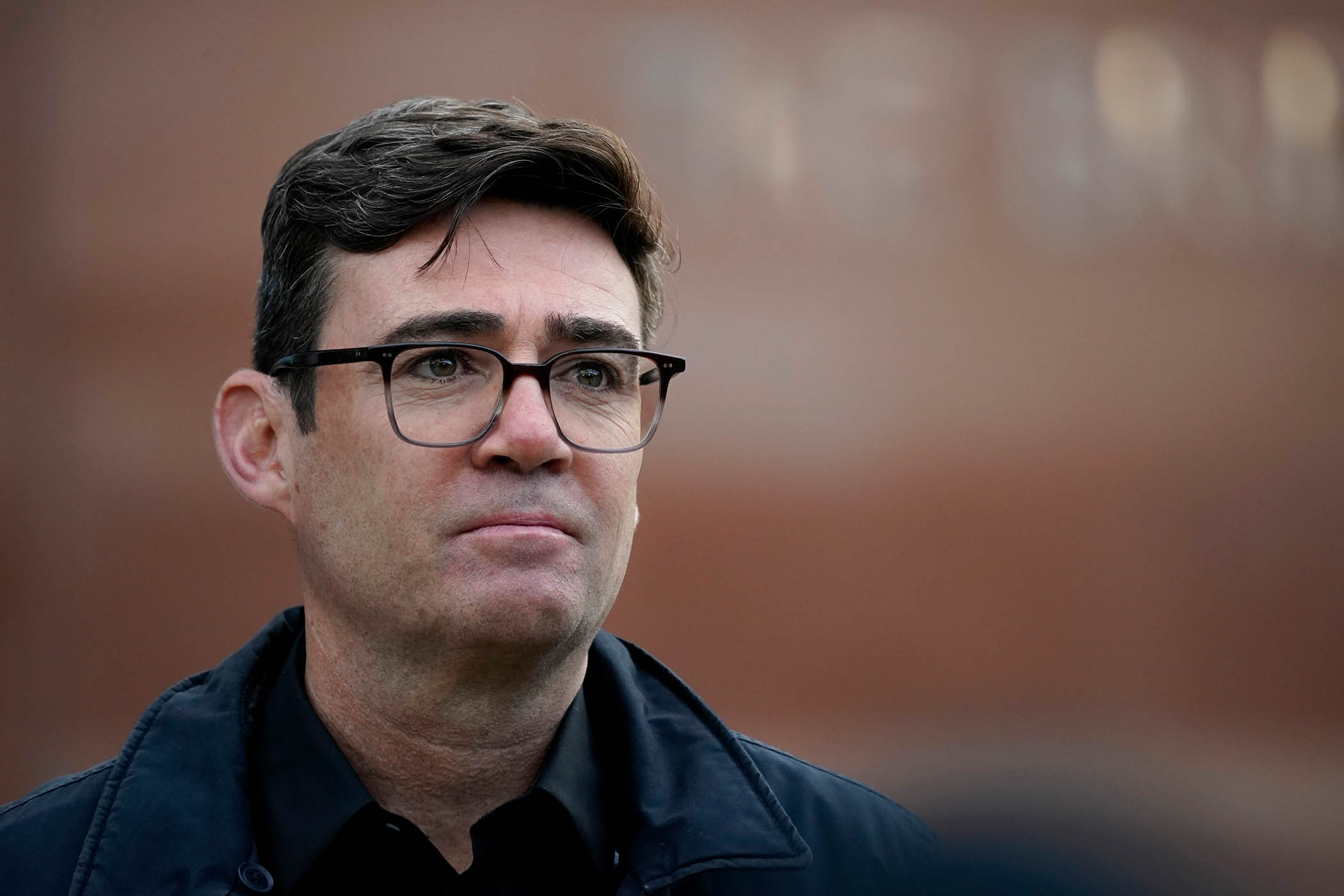

Andy Burnham is already thinking about what to write in his “letters of last resort” to the commanding officers of Britain’s four nuclear submarines. These handwritten memos contain orders about what to do if an enemy nuclear strike has destroyed the government and killed or incapacitated both the prime minister and his second in command.
For any leader, penning these letters is the most sobering part of moving into No 10, a visceral reminder of what is at stake. It is the first thing Burnham will do in Downing Street after he has been briefed on the nuclear codes. His second task will be to work through a list of world leaders to call, carefully arranged in order of diplomatic and strategic importance.
At a time of extraordinary global instability, Burnham’s premiership will – like Keir Starmer’s – inevitably be dominated by world affairs. Next year the UK will take over the presidency of the G20, meaning Burnham will host the global leaders’ summit. The forthcoming EU summit has been delayed to make sure the new prime minister is in place. Donald Trump is already muttering disapprovingly about him being an “extremely liberal” former “mayor of a town”.
Yet surprisingly little is known about the approach Burnham will take to foreign policy. His views on buses, social care, devolution and taxation have been endlessly scrutinised, but his opinions on international relations remain opaque. Even world leaders are bemused. One foreign policy expert got a text message from a European prime minister this week saying: “Tell me everything you know about Andy Burnham.”
In fact the new MP for Makerfield has deliberately avoided nailing his colours to the mast. He recently refused to say whether he believed a “genocide” was occuring in Gaza, on the grounds that “I can’t judge things of that enormity from where I am as mayor of Greater Manchester”. During the byelection campaign he backed away from his previous comments about wanting to rejoin the European Union, because he did not want to alienate Brexit-supporting voters.
I’m told Burnham is planning a speech on foreign policy in the coming weeks. Allies say there will be “continuity on the major issues” such as Ukraine, Iran and China. Diplomats in the Foreign Office and around the world all hope Burnham will be able to persuade Jonathan Powell to stay on as national security adviser. He had planned to leave in the autumn but a concerted effort is being made to convince him to remain in post. The appointment of James Purnell as Downing Street chief of staff is likely to help: he is seen as a grown-up and knows Powell well from their time working together under Tony Blair.
That would create stability, but there are differences between the current prime minister and the next one. Burnham has made clear that he wants to review the defence investment plan and is frustrated that Starmer is planning to announce the settlement next week ahead of the Nato summit. He will want to prove his commitment to national security and could revive the idea of defence bonds to fund additional military spending, a plan rejected by the Treasury under Rachel Reeves.
Burnham’s instincts on foreign policy will be far more political than Starmer’s. In the wake of the October 7 attacks, as the Israeli bombardment destroyed Gaza, he called for a ceasefire while Starmer was still refusing to do so. As mayor of Greater Manchester he then signed a statement expressing “profound concerns” about the loss of life in Gaza and the “widespread suffering” caused by the blockade of essential goods and services.
Later, Burnham urged Starmer not to “brand” MPs who disagreed with him on the issue “disloyal”. He said he had voted for the Iraq War but had learned from that experience. The high number of civilian deaths in Iraq had, he warned, created a “sense of injustice” and drawn people towards the terrorist cause. This reveals two things: Burnham is not a liberal interventionist on ideological grounds, and he knows Labour needs to win back progressive voters who have defected to the Greens over Gaza.
That insight will also inform his approach to Europe. Mark Leonard, director of the European Council on Foreign Relations, says 90% of those who have gone to the Greens since the last election and 85% of those who switched to the Lib Dems would vote to rejoin the EU if there were a referendum tomorrow. “Europe has gone from an issue which nobody wanted to talk about, because it was seen as a problem, something that was going to split the Labour coalition, into something which can unite the coalition and can excite and mobilise people,” he says. “If you want to get the people who are enthusiastic about Europe you need to chart a pathway to rejoining the European Union.” Another Labour insider says: “I don’t think Keir ever really believed in his heart of hearts that Brexit was an absolute tragedy and that we should go back into the European Union. Burnham does. He’ll be much warmer to the Europeans and they’ll be much warmer to him.”
Newsletters
Choose the newsletters you want to receive
View more
For information about how The Observer protects your data, read our Privacy Policy
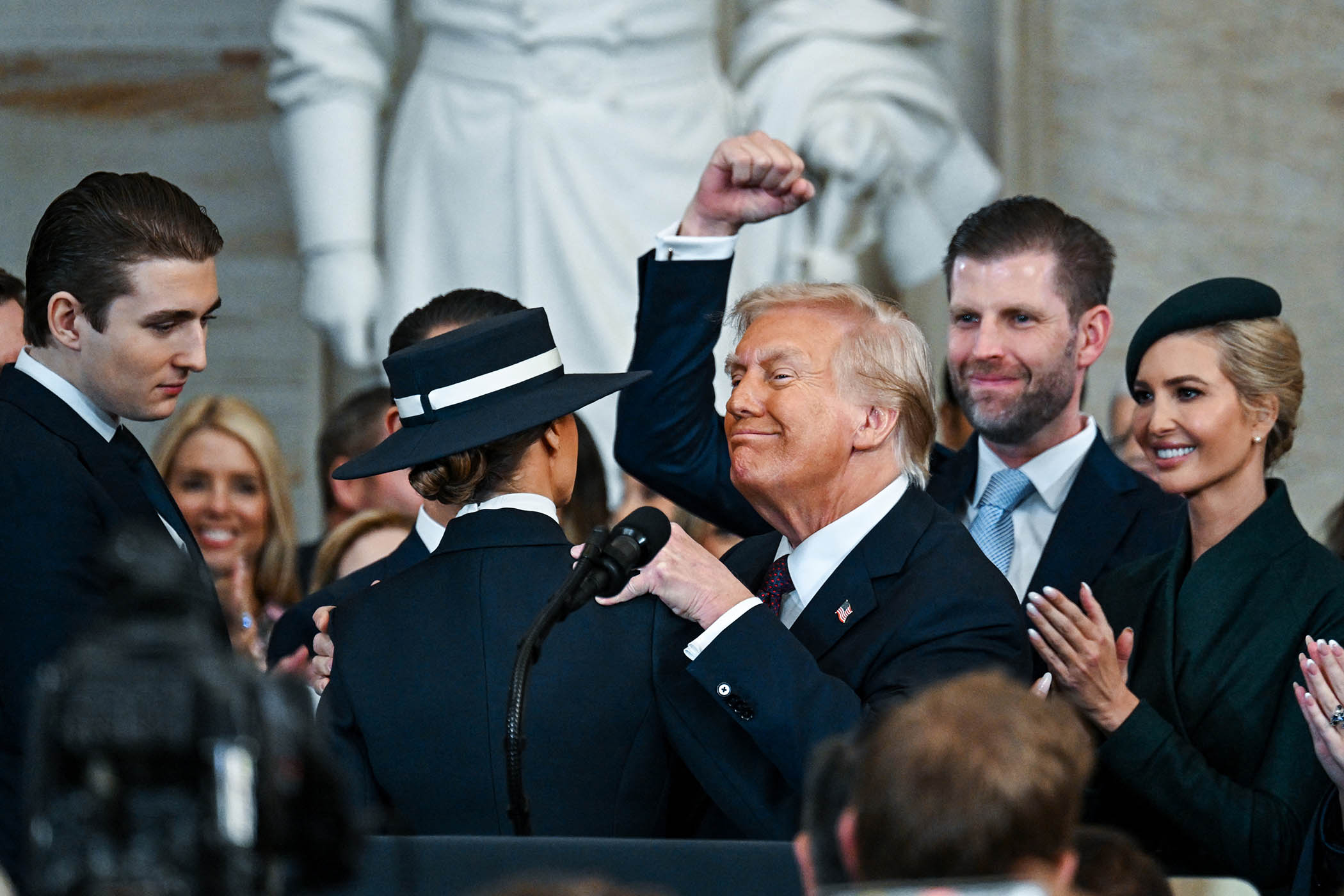
There will be no race to the White House. Burnham “is not going to try and be a Trump whisperer” like Starmer, one Labour source says. But nor will Burnham try to engineer a “Love Actually” moment. “Trump does politics by personal relationship, ideology is not necessarily the most important thing for him,” one ally says. “He is positive about [New York mayor Zohran] Mamdani because he’s a winner. Andy is very personable.”
Starmer is a human rights lawyer, Burnham is a hard-headed realist. Josh Simons, the former Makerfield MP who is likely to have a key policy role in the new administration, has been impressed by the thinking of the historian John Bew, who argues that liberals need to accept that the world has changed in the age of the strongmen. “We are not in a rule-of-law era,” Bew wrote last year. “Instead raw power is being asserted everywhere we look.”
The next prime minister’s international focus will be more economic than diplomatic. Ben Judah, who worked for David Lammy at the Foreign Office, was surprised to discover that Burnham is very popular in the Gulf. “Key leaders know him and talk about him,” he says. “The first time I went to Qatar and the UAE, I was with the big sovereign wealth bosses and members of the family and members of the government, and they were all saying ‘Oh yes, Manchester is a great place to do business’. I think he will likely go further than Keir to promote investment into the UK.”
Overall, foreign policy will be seen through much more of a domestic prism. Burnham plans to spend less time abroad than Starmer. His supporters describe international relations as a “team effort” that is “not the sole responsibility of the prime minister”. Burnham intends to cut down on foreign trips and delegate more meetings to other cabinet ministers. “Andy understands that foreign policy is a key part of the job but needs to be balanced with the urgent domestic priorities we have,” one ally says. “Ultimately, strength at home is strength abroad.” For this to work, Burnham’s foreign secretary will have to be a serious figure who can command respect.
Some Labour MPs point out mischievously that David Miliband would fit the bill. Wes Streeting could signal a tougher line on Gaza; Douglas Alexander has the connections and clout to do the job; David Lammy is auditioning for the job today in Gdansk at the Ukraine Recovery Conference.
Whoever takes over at the Foreign Office, there will be a reframing of international issues around domestic concerns under Burnham. The constant question will be: how can Britain’s relationships with other countries drive down the cost of living, cut energy costs or reduce the small boats? While other prime ministers have championed an ethical foreign policy, liberal interventionism or progressive realism, Burnham plans a foreign policy based on the Makerfield test.