

Let’s get it out there upfront: I love Sheffield. It is a city apart. Forged by its industrial past and tempered in its battles with Thatcherism, the Steel City is that rare northern destination that culturally, in its music, the arts, its pubs, sport – its food scene, even – still exudes a brilliantly cussed independence of spirit. Self-reliant and irreverent, fashion-conscious but not enslaved, Sheffield does not want to be London. Or even Leeds. Instead, the one-time People’s Republic of South Yorkshire operates to its own code of authenticity. No hype. No nonsense. No compromises…
In the 2000s, this city incubated a whole music genre, bassline, in almost total isolation, while its most famous sons, the Arctic Monkeys, triumphed despite refusing to play the media game. “It’s like we’re proud to be out of step,” as musician Richard Hawley once told The Observer. Is that frustrating? It can be. But Sheffield’s focus on hard graft not hoopla does mean that its creatives, from (tip!) music producer NZO or artist Pete McKee to Warp Films, tend to make real, heartfelt, unique work. And how rare is that in 2026?
In food, that singularity is less dramatic but palpable. Restaurateur Jack Wakelin describes Sheffield as “the Madagascar of the north”, geographically isolated and often ignored. That allows idiosyncratic restaurants to set the pace locally: ultra-modernist Jöro, South African-inspired Orange Bird, and the venues operated by Wakelin and chef Tom Aronica.
Wakelin and Aronica met working at former Observer bar-of-the-year Public, a self-styled “bar in a bog” that serves impeccable cocktails in a former gents’ toilet below Sheffield town hall. Since leaving, the duo have gone on to open a series of hits: Bench, Pearl at Park Hill, Bench La Cave, and this year their first city- centre restaurant, Maria.
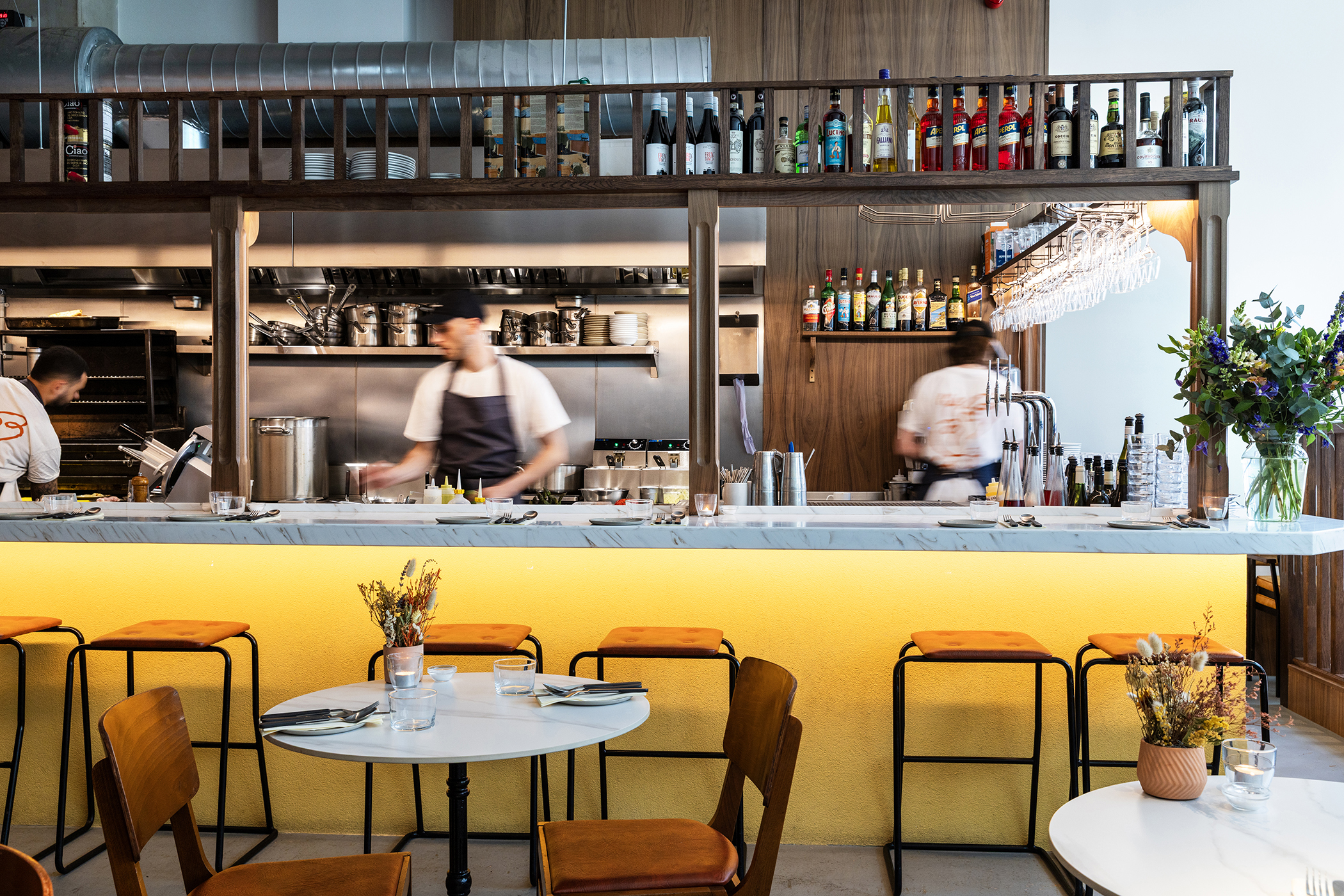
On a Thursday night a month after opening, Maria is busily abuzz with hip young things, a resource which Sheffield has in abundance. A sharply designed space (the service is warm and energetic, if a little bumpy), Maria sits within a newly scrubbed-up, resurgent part of town, between food hall Cambridge Street Collective and Leah’s Yard, a handsome warren of indie retail and makers’ studios.
At Maria, Sicilian food becomes a pedal-to-the-metal, amps-at-11, sensory assault of flavour and seasoning
At Maria, Sicilian food becomes a pedal-to-the-metal, amps-at-11, sensory assault of flavour and seasoning
Inspired by Aronica’s Sicilian nonna, Maria is specific, personal and tightly Italian. From its excellent, honeyed-bitter £5 negronis (batch-made, hence that remarkable price) to the scoops of (local, Fennell’s) ice-cream on the dessert menu. The brown butter vanilla was judged by the offspring, Naylor 2.0, expert in this field, as among the best he’s ever tasted.
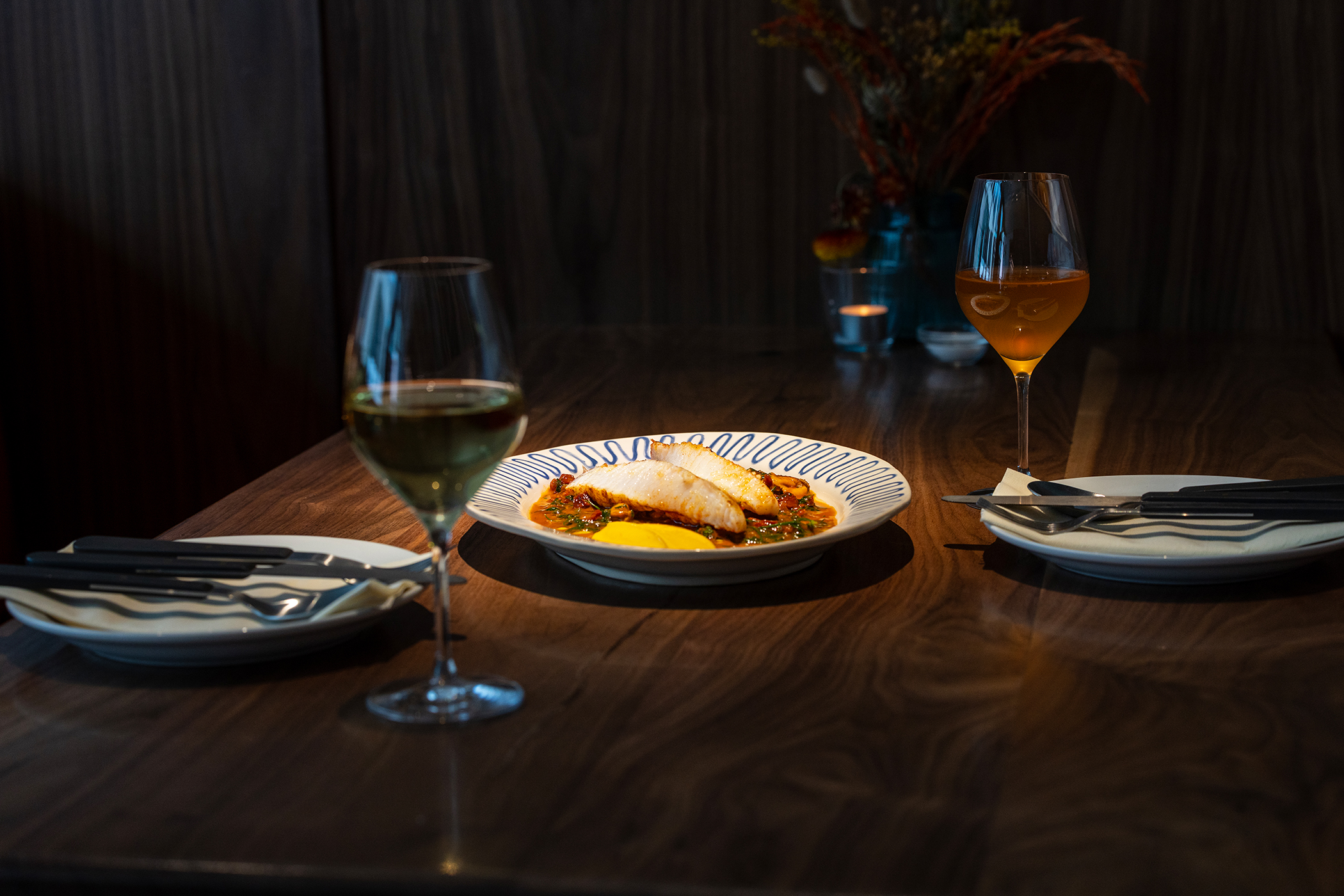
Personally, I couldn’t face dessert. I was still toying with the roastie-adjacent fried potatoes the three of us had (over) ordered; they were rather dry, an uncharacteristic misstep. But more than that, after two-plus hours, I was done, stuffed, punch-drunk on flavour.
For Maria is not Italian food as you know it. It is not bland high-street trat. It is not spendy, sparing and educational on puntarelle. Instead, at Maria, Sicilian food becomes a pedal-to-the-metal, amps-at-11, sensory assault of flavour and seasoning that, if you know anyone living on black coffee and 40 cigs-a-day, will enable them to taste again. Hallelujah!
I started out moaning about the lack of beer choice. But after a serviceable glass of gavi and an interesting verdicchio from the low-intervention wine list, a crisp, simple Peroni was actually a refreshing breather from such full-bore flavours. Even a theoretically trivial side of grilled, marinated courgettes had, in its fresh herb, verdant olive oil and pickled, salty dressings, an almost Thai-style complexity.
If Maria occasionally feels like an artillery barrage (not a criticism, but reference the spaghetti alla siracusana), be in no doubt this is purposeful controlled cooking, also capable of deft lightness. An opening stracciatella (shredded, creamed buffalo mozzarella) comes with toasted bread and a caponata that tastes like turbocharged Branston pickle. It is rich, in-your-face food and almost LOL-clever – Sicilian but Britalian in appeal. In contrast, the following arancini are subtlety themselves, filled (a tad meanly, given the generosity elsewhere) with a clean, lightly briny cuttlefish ragout.
Newsletters
Choose the newsletters you want to receive
View more
For information about how The Observer protects your data, read our Privacy Policy
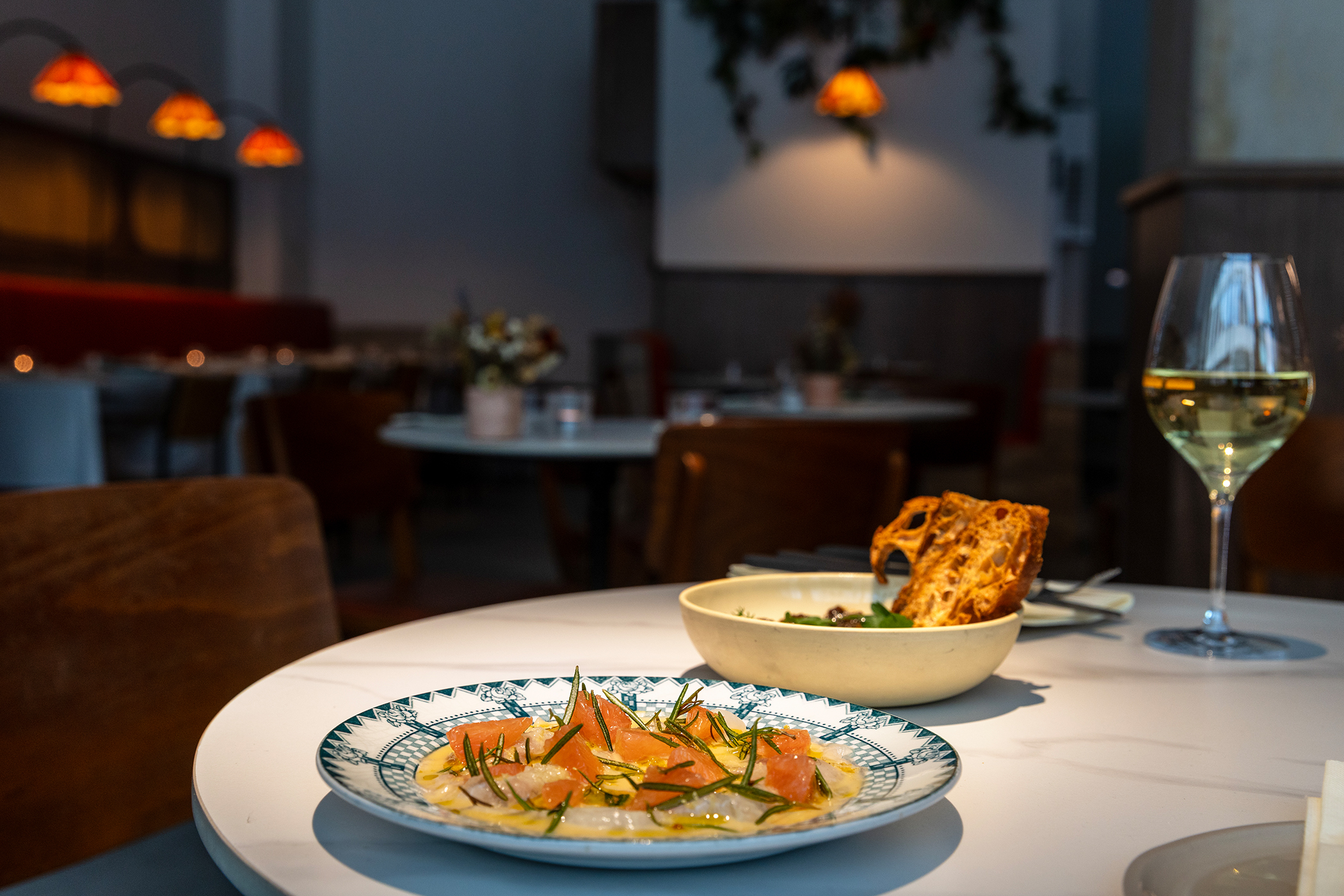
The sea bream crudo has a similar intelligent poise. Fresh pomelo and fried rosemary provide an unusual acidic-herbaceous counter to the bream’s luxuriously smooth flesh and its buttery sauce of citrus juices emulsified in evidently exceptional EVOO.
Maria’s handmade pasta dishes are very much on the front foot. Cavatelli comes in an almost funkily savoury pesto trapanese (the Sicilian toasted almond and pecorino sauce), threaded with dried tomatoes. Pappardelle with roasted mutton, artichokes and ricotta salata delivers layered umami oomph; its lip-coating sauce hits deeeeep. But fresh mint and flashes of lemon acidity ensure that, for all its resonance, it neatly and repeatedly refreshes itself.
Larger plates are likewise intensely accurate. Whole sea bass arrives perfectly cooked in a smoky, agrodolce tomato sauce as vivid as 8K Ultra HD. But other elements, the mussels or samphire-like agretti, assert themselves. It’s bold but elegant. As is the pork collar, fennel and borlotti beans, an arrow-like aniseed note lifting its rich, milky gravy.
Some people will undoubtedly find all this a bit much. Prissy people, basically. I hope they enjoy their salad, wherever they land.
Maria, 4 Wellington Street, Sheffield S1 4HD (mariarestaurants.co.uk). Snacks and small plates £3.50-£12; larger plates £12-£36; desserts £4.50-£10; cocktails from £5; wine from £32